Okay, fellow K-pop stans, can we just take a moment to appreciate how absolutely wild the Hallyu wave has become in 2026? It’s not just about the music anymore, though let’s be real, K-pop is still crushing it. Just last week, we saw reports confirming the global phenomenon of 방탄소년단(BTS)’s ‘아리랑,’ a track that’s been making waves worldwide. This isn’t just a win for the group; it’s a testament to South Korea’s surging cultural influence. According to a July 17, 2026 report, Korea has ascended to become the world’s 3rd largest music exporter, a significant leap from its 4th position in 2025, following only music giants like the U.S., U.K., and Canada. This incredible growth underscores that the Hallyu wave is no longer just a trend; it’s a global cultural pillar, expanding its reach into every facet of our lives, from what we listen to, to what we wear, and even how we interact with technology.
K-Pop’s Chart Domination & Evolving Soundscapes
The core of the Hallyu wave remains K-pop, and 2026 is proving to be another landmark year for artists breaking barriers and smashing records. The success of BTS’s ‘아리랑’ is just one shining example, demonstrating the genre’s universal appeal and ability to resonate deeply across different cultures. Beyond established giants, new and existing powerhouses continue to carve out their territory. We saw Ejae named the most-streamed K-pop artist in the U.S. in 2025, as reported by Yonhap News Agency on March 9, 2026, a clear indicator of the genre’s deep penetration into Western markets. This isn’t just about individual artists; groups like Stray Kids, SEVENTEEN, and “More!” were cited by Dojeon Media on April 13, 2026, for smashing records this year, proving that collective power is as strong as ever.

The sheer dominance isn’t just anecdotal; it’s chart-proven. The BBC noted on February 20, 2026, that K-Pop stars, alongside Taylor Swift, utterly dominated the music landscape in 2025. This isn’t just about album sales; it’s about the entire ecosystem: the anticipation for every comeback, the collective effort of fans to push for high chart positions, and the global spectacle of award shows where groups vie for daesangs. When a new music video drops, the comment sections explode, and every fancam from music shows becomes a viral sensation, spreading the Hallyu beat far and wide. The meticulous planning behind each release, from concept teasers to elaborate choreography, ensures that K-pop remains at the forefront of global music innovation.
Beyond the Beat: K-Fashion & K-Beauty’s Global Takeover
The Hallyu wave in 2026 has definitively moved beyond just the auditory experience, blossoming into a full-fledged lifestyle phenomenon. K-fashion, in particular, is experiencing an unprecedented surge. Global Fashion News reported on July 10, 2026, that JJ International has been selected as the exclusive Korean partner for Milan Fashion Week’s ‘B ICONIC STAGE.’ This collaboration, which debuted with the ‘2025 SS26’ season, is a monumental step, elevating the status of K-Fashion on one of the world’s most prestigious stages. It signals a shift where K-fashion isn’t just influencing trends but actively setting them, with showrooms, pop-ups, and global buyer matching making Korean designs accessible worldwide.
Similarly, K-beauty is experiencing its “second boom,” as highlighted by News Focus on June 17, 2026. What was once primarily driven by Asian consumers and K-pop/drama fans is now winning over mainstream shoppers globally. In a significant market shift, the U.S. became South Korea’s top export market for K-beauty in 2025, surpassing traditional markets. This expansion isn’t accidental; it’s fueled by innovative indie brands and powerful manufacturing capabilities, appealing to a broader, more diverse consumer base. This comprehensive cultural export, from music to fashion and beauty, is deeply intertwined with the increasing influence of “wealthier overseas fans,” who, according to Asia News Network on March 12, 2026, are actively reshaping the power dynamics in K-pop and, by extension, the entire Hallyu ecosystem. Their financial contributions and dedicated engagement are fostering a global market eager for all things Korean.
The Digital Frontier: Virtual Idols & Tech’s Embrace (and Hiccups)
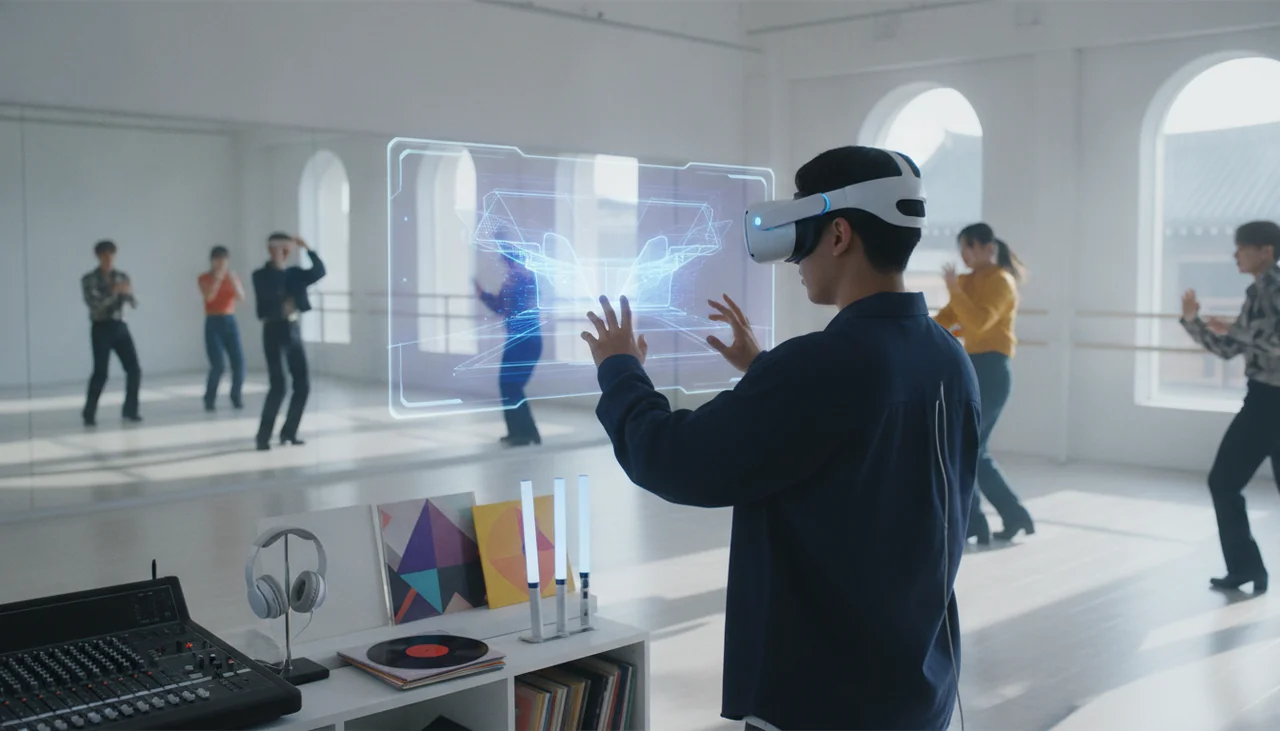
The Hallyu wave is also pushing boundaries into the digital realm, with 2026 marking a significant acceleration in the integration of technology and virtual entertainment. We’re witnessing the exciting rise of virtual idol groups like PLAVE and even concepts like “KPop Demon Hunters,” which Hanteo News highlighted on May 1, 2026, in their “K-pop Beyond Dimensions” report. These digital artists are captivating fans with their unique concepts and performances, proving that connection can transcend physical limitations. This foray into virtual dimensions represents a forward-thinking approach to entertainment, leveraging cutting-edge technology to create new forms of fan engagement and artistic expression.

On the business side, major tech players are making significant moves into the K-pop industry, further solidifying its global footprint. Outlook Respawn reported on May 21, 2026, that China’s top company, Tencent, has successfully entered K-pop’s inner circle. This strategic partnership brings immense capital, technological resources, and market access, promising to reshape how K-pop content is produced, distributed, and consumed globally. However, this digital expansion isn’t without its growing pains. A July 8, 2026 article mentioned that despite powerful K-Pop fandom IP, issues with payment systems and operational mismanagement led to difficulties for some platforms. This serves as a crucial reminder that while technology offers incredible opportunities, robust infrastructure and seamless user experience are paramount for sustained success. It’s a stark contrast to China’s $16.5 billion micro-drama industry, which TechBuzz China reported on July 8, 2026, as the world’s first mass application of AI-generated video, showcasing the rapid advancements in AI-driven content creation that K-pop will undoubtedly need to navigate.
Navigating the Shifting Sands: Fandom & Industry Challenges
While the Hallyu wave surges forward, 2026 also presents its unique set of challenges and shifts within the industry and fandom. One of the most discussed topics this year has been the increasing number of member exits from K-pop groups. Lifestyle.INQ posed the question “Why is everyone leaving their K-pop groups?” on April 24, 2026, echoing a sentiment many fans feel. Billboard’s March 11, 2026, article, “The 15 Most Surprising Member Exits From K-Pop Groups,” further highlighted this trend, underscoring the complexities of idol contracts, personal aspirations, and the immense pressure that comes with stardom. These departures, while often heartbreaking for fans, force both agencies and fandoms to adapt, fostering resilience and redefining what it means to support a group through change.
The evolving landscape also demands a deeper understanding of fandom dynamics. The influence of global fans, particularly those with significant financial power, continues to reshape how groups are promoted and managed, as noted by Asia News Network on March 12, 2026. This means agencies are increasingly catering to diverse international audiences, from global merchandise drops to world tours. Furthermore, the broader Hallyu ecosystem is under official scrutiny, with the government’s 2025 Hallyu Ecosystem Survey (K-Culture Dive AI News, July 7, 2026) providing valuable insights into cultural content trends. In response to industry challenges, such as a slumping film industry, the Culture Ministry plans to distribute two films to help revive it, showcasing a proactive approach to supporting the wider cultural content sphere. This holistic view is crucial for sustaining the Hallyu wave. Within fandoms themselves, challenges like sasaeng behavior remain a persistent concern, requiring ongoing efforts from agencies and fans alike to promote healthy boundaries and protect artists’ well-being, often through platforms like Weverse which strive to create safer fan-artist interactions.
Quick Summary
The Hallyu wave in 2026 is a dynamic, multifaceted phenomenon, with K-pop continuing its chart dominance and expanding its influence across K-fashion and K-beauty. We’re seeing groundbreaking advancements in virtual idol technology and significant strategic investments from global tech giants like Tencent. However, this growth also brings challenges, including member exits and the need for robust digital infrastructure. The increased power of overseas fans and government initiatives further underscore the Hallyu wave’s comprehensive impact and evolving nature.
Key Takeaways
Global Music Powerhouse: South Korea is now the world’s 3rd largest music exporter (July 17, 2026), with groups like BTS, Stray Kids, SEVENTEEN, and artists like Ejae leading the charge on global charts. Fashion & Beauty Ascendant: K-fashion is gaining elite global recognition, exemplified by JJ International’s Milan Fashion Week partnership (July 10, 2026), while K-beauty finds its top export market in the U.S. (2025 data, June 17, 2026). Tech Integration: Virtual idols (PLAVE, KPop Demon Hunters) and major tech investments (Tencent’s entry, May 21, 2026) are reshaping the industry, though digital infrastructure still needs refinement. Fandom Power & Industry Shifts: Wealthier overseas fans are reshaping industry dynamics, while the industry grapples with member exits and the need for sustained government support for broader cultural content.
Practical Tips for the Fellow Fan
1. Diversify Your Hallyu Consumption: Don’t just stick to music! Explore K-fashion brands showcased at events like Milan Fashion Week via JJ International’s partnerships, or dive into the latest K-beauty trends that are captivating the U.S. market. 2. Engage Responsibly: Support your favorite groups on official platforms like Weverse. Your engagement, streams, and album purchases are vital for their success and chart performance, often leading to coveted daesangs. 3. Stay Informed on New Formats: Keep an eye on virtual idols like PLAVE. They represent the future of K-pop and how technology is shaping entertainment “Beyond Dimensions.” 4. Understand Industry Dynamics: Be aware of the broader shifts, from Tencent’s influence to discussions around member exits. Understanding these complexities helps you better appreciate the industry and support artists through their journey. 5. Support Ethical Fandom: While passion is key, remember to maintain healthy boundaries. Report sasaeng behavior and contribute to a positive, supportive fan culture that prioritizes artist well-being.
Found this helpful? Bookmark us! ⭐