Alright, fellow K-pop stans, can we just take a moment? It’s August 2, 2026, and the air is absolutely buzzing with VMA speculation. Every year, the MTV Video Music Awards roll around, and we collectively hold our breath, wondering which of our faves will not only snag nominations but truly dominate the global stage. And this year, after a truly monumental 2025 and an already wild 2026, it feels different. The stakes are higher, the artists are stronger, and honestly, K-pop’s narrative at major Western awards ceremonies is more compelling than ever.
Remember that bombshell news from July 29, 2026? BTS is boycotting the Grammys. While the Grammys have often had a “spotty record” with K-pop despite its immense popularity, as reported, this decision undoubtedly shifts the spotlight. It elevates other platforms, especially one like the VMAs, which historically celebrates the visual artistry K-pop excels at. So, while one door might be closing, the VMAs represent a wide-open avenue for K-pop to cement its global status without the historical baggage. We’re not just talking about winning a “Best K-Pop” category anymore; we’re talking about Album of the Year, Video of the Year, Artist of the Year. This is K-pop’s moment to remind everyone that our artists are not just global contenders, they are the global standard.
K-Pop’s Unstoppable Global Force: The 2025 Foundation
Let’s rewind just a bit to understand the seismic shifts that set the stage for 2026. Billboard declared on December 30, 2025, that K-Pop became “More Global Than Ever in 2025.” This wasn’t just a casual observation; it was a definitive statement on the genre’s pervasive reach. The BBC, on February 20, 2026, further solidified this by stating that “Taylor Swift and KPop stars dominated music in 2025.” This isn’t just about niche appeal anymore; it’s about mainstream, undeniable power.

We saw continued growth in established markets and exciting new territories. Data from The Korea Herald on January 22, 2026, highlighted Korea, Japan, and Indonesia as the top K-pop markets in 2025, illustrating a strong regional base alongside burgeoning global expansion. This incredible growth isn’t just limited to music; it’s a full-blown cultural phenomenon. From K-beauty to K-dramas, the Hallyu wave is unstoppable, pulling new fans into the K-pop orbit daily. This sheer scale of global engagement means K-pop artists heading into the 2026 VMA season aren’t just representing a genre; they’re representing a global movement.
The ‘Who’ Factor: Jimin’s Solo Dominance Sets a New Standard
If there’s one artist whose name is on every fan’s lips when discussing VMA potential, it has to be BTS’s Jimin. His solo track, ‘Who’, has absolutely shattered records, proving the enduring power of solo artistry within K-pop. Just yesterday, on August 1, 2026, news broke that Jimin’s ‘Who’ officially surpassed an astounding 5 billion streams on Spotify, making it the most streamed solo song in K-pop history. Five billion! Let that sink in.
This isn’t just a number; it’s a testament to the song’s universal appeal and Jimin’s unparalleled artistry. The track already earned the coveted ‘K-POP SONG OF THE YEAR’ at the ‘2025 iHeartRadio Music Awards’, a massive win that signaled its critical and popular success. A song with that kind of streaming power and award recognition is not just a contender for the ‘Best K-Pop’ VMA category; it’s a strong candidate for major general categories like ‘Song of the Year’ or ‘Video of the Year’ if its visual component is equally strong. Fandoms across the globe have been tirelessly streaming, voting, and sharing, demonstrating the collective power behind such monumental achievements. This isn’t just a win for Jimin; it’s a powerful statement for solo K-pop artists everywhere.
Beyond the Idols: The “KPop Demon Hunters” Phenomenon
Now, let’s talk about something truly unique that could shake up the VMA landscape: “KPop Demon Hunters.” Forbes, on December 31, 2025, listed it among the “Most Acclaimed K-Pop Of 2025,” alongside industry giants like BLACKPINK, NMIXX, and J-Hope. But “KPop Demon Hunters” isn’t just a group or a song; it’s a cultural phenomenon. CNBC reported on November 4, 2025, that it was “boosting more than just Netflix,” with Korean music and politics riding the craze. And as recently as July 31, 2026, the discussion around “KPop Demon Hunters” continued, highlighting its success drawing on shamanism and its global popularity among millennials and Gen Z.
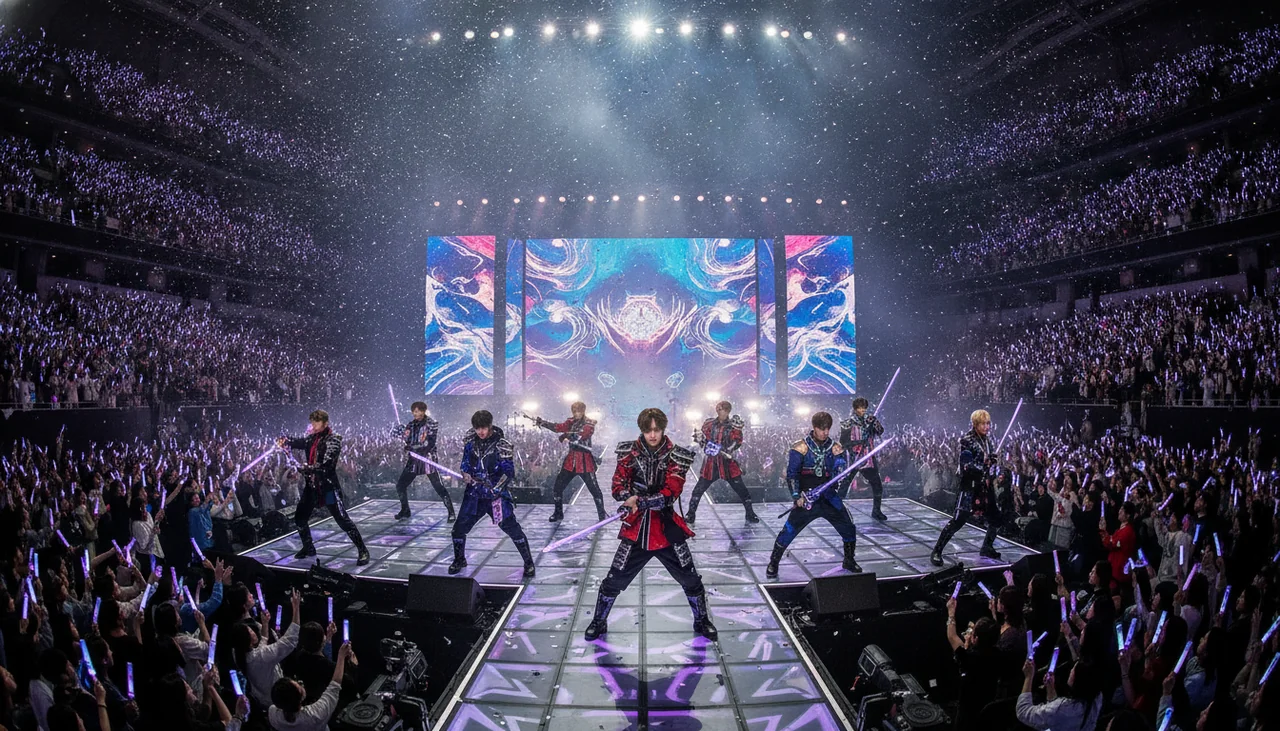
This crossover appeal, fusing traditional Korean supernatural themes with cutting-edge K-pop sounds, makes it a fascinating VMA prospect. Could we see a nomination for ‘Best Group’ for the collective behind the music, or perhaps ‘Best New Artist’ if the concept is attributed to a specific musical act? Its innovative blend of genre and narrative, driven by the success of the Netflix series, makes it a dark horse for broader categories, potentially even ‘Video for Good’ if its themes resonate with social commentary. The sheer buzz and cultural impact surrounding “KPop Demon Hunters” cannot be underestimated when considering its VMA potential. It represents K-pop’s expanding artistic boundaries and its ability to influence popular culture far beyond typical music releases.
The VMA Stage: A Different Beast from the Grammys
The recent news of BTS’s decision to boycott the Grammys (July 29, 2026) has undoubtedly cast a long shadow, but it also highlights the distinct role the VMAs play for K-pop. While the Grammys have often been criticized for their slow recognition of global music trends, the VMAs have historically been more open to celebrating visual innovation and global fandom power. K-pop’s strength lies not just in its music, but in its meticulously crafted music videos, stunning choreography, and immersive concepts – all elements the VMAs are designed to honor.
Think about it: from breathtaking sets to intricate storytelling, K-pop music videos are often cinematic masterpieces. This is where artists like BLACKPINK and NMIXX, also listed among the “Most Acclaimed K-Pop Of 2025” by Forbes, truly shine. Their comebacks are not just song releases; they are visual spectacles designed to captivate. The VMAs provide a platform for these visual narratives to be judged on their own merit, often leading to more diverse nominations and wins for K-pop artists outside of just the ‘Best K-Pop’ category. This focus on the visual makes the VMAs a more natural fit for K-pop’s multifaceted artistry, especially in a year where the industry is looking for new avenues of global recognition.
Fandom Power: The Real VMA Engine
Let’s be real, K-pop’s dominance wouldn’t be possible without the incredible, dedicated, and highly organized fandoms. When it comes to the VMAs, where fan voting often plays a significant role, our collective power is the ultimate engine. From meticulously coordinated streaming parties to viral social media campaigns, K-pop fandoms are masters of mobilizing support.
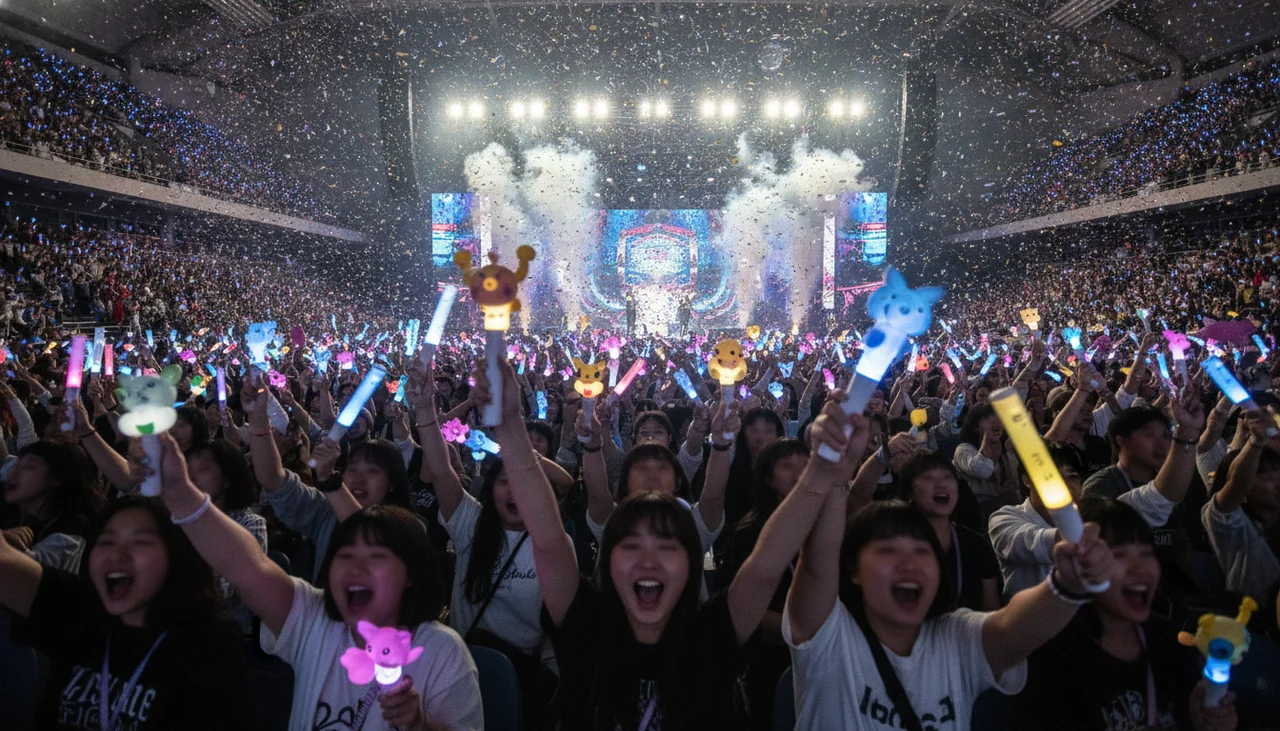
This is where the insider terms like ‘lightstick oceans’ at concerts, the constant updates on Weverse, and the trending hashtags come into play. Every fancam shared, every comment left, every digital vote cast contributes to the momentum. The sheer volume of fan engagement is what propels artists like Jimin to 5 billion Spotify streams, and what ensures groups like BLACKPINK and NMIXX remain at the top of the global conversation. The VMAs are a testament to the power of the global K-pop community, and 2026 is our chance to show the world just how impactful our passion can be. It’s not just about the artists; it’s about the symbiotic relationship between idols and their fans.
Practical Tips for VMA Season Success
So, what can we, as dedicated fans, do to ensure K-pop artists get the recognition they deserve at the 2026 VMAs?
1. Stream Strategically: Keep streaming official music videos and audio on platforms like YouTube, Spotify, and Apple Music. Focus on tracks that have strong VMA potential, like Jimin’s ‘Who’ or recent comebacks from other acclaimed artists. Consistent, high-volume streaming is crucial for chart performance and showing widespread popularity. 2. Engage on Social Media: When nominations drop, use official hashtags and tag MTV and the VMAs in your posts. Share clips, fancams, and positive messages about your favorite artists’ music videos. Your activity directly influences buzz and visibility. 3. Vote Diligently: Once voting opens, follow official VMA channels for instructions. Many awards shows allow daily voting, so make it a part of your routine. Every vote counts, especially in competitive categories. 4. Spread the Word: Introduce friends and family to the incredible artistry of K-pop. The more people who appreciate the music and visuals, the broader the support base for VMA nominations and wins. 5. Be Respectful: Always engage positively and respectfully. Negative fan wars can detract from the overall goal. Let’s showcase the best of K-pop fandom.
Quick Summary
The 2026 MTV Video Music Awards are shaping up to be a pivotal moment for K-pop. Building on a globally dominant 2025, fueled by artists like Jimin with his record-breaking ‘Who’ (5 billion Spotify streams, K-POP SONG OF THE YEAR at the 2025 iHeartRadio Music Awards), and the unique cultural impact of “KPop Demon Hunters,” K-pop is poised for unprecedented VMA recognition. With BTS boycotting the Grammys, the VMAs offer a crucial platform that perfectly aligns with K-pop’s visual artistry and strong fandom engagement. This year, we’re not just hoping for K-pop to be recognized; we’re ready for K-pop to redefine the global music landscape at the VMAs.
Found this helpful? Bookmark us! ⭐