The energy of a K-pop comeback is something truly electrifying, a phenomenon that has transcended national borders and now, more than ever, is poised to redefine the global festival landscape. When we talk about major events like Lollapalooza, the question isn’t if K-pop belongs there, but how its unique blend of artistry, performance, and dedicated fandom is already shaping these massive stages. As a K-pop culture writer, what stands out to me this year is the undeniable momentum building, proving that K-pop isn’t just participating; it’s dominating.
Just look at BTS in 2026. Their return to the UK for their first show in seven years was met with “pure joy and astonishing versatility,” as reported by The Guardian on July 7, 2026. Rolling Stone UK, on the same day, hailed their London performance as a “dazzling stadium spectacle.” This isn’t just about selling tickets; it’s about delivering an unparalleled experience that captivates hundreds of thousands. This year alone, we’ve seen them return to the Bay Area stage with a “spectacular concert” (The Mercury News, May 17, 2026) and hold a “historic Gwanghwamun comeback show” that “flexes K-pop dominance” (The Korea Times, March 21, 2026). These aren’t isolated events; they’re clear indicators that K-pop’s live performance prowess is at an all-time high, making it a perfect fit for the high-octane environment of a festival like Lollapalooza.
The Global Stage is Set: K-Pop’s Unstoppable Momentum
The sheer scale and impact of K-pop artists in 2026 are impossible to ignore. BTS’s critically acclaimed album, “ARIRANG,” earned “Global Praise” from heavy hitters like Rolling Stone, NME, and Complex on June 24, 2026, lauded not just as a “polished global pop album” but also for being “rooted in” its cultural origins. This dual appeal—global polish with authentic roots—is precisely what allows K-pop to resonate so deeply with diverse audiences, making it a powerhouse for any major festival. When we talk about a “dazzling stadium spectacle,” as Rolling Stone UK described BTS’s London show, it’s not just about the visuals; it’s about the entire package: the vocals, the intricate choreography, the stage presence, and the sheer energy that only K-pop can bring.
The demand for K-pop’s live performance opportunities is also growing, with artists and cultural organizations consistently arguing for more (July 19, 2026). This isn’t just about headlining their own tours; it’s about integrating into the broader global music ecosystem, and festivals are a crucial part of that. The “K-pop Forever! Tribute review” in Cork, Ireland, on June 11, 2026, was described as a “happy assault on the senses” by the Irish Examiner, perfectly encapsulating the immersive, high-energy experience K-pop offers. This kind of overwhelming positive reception is exactly what festival organizers seek to bring to their attendees.
Beyond the Fancam: The K-Pop Festival Experience
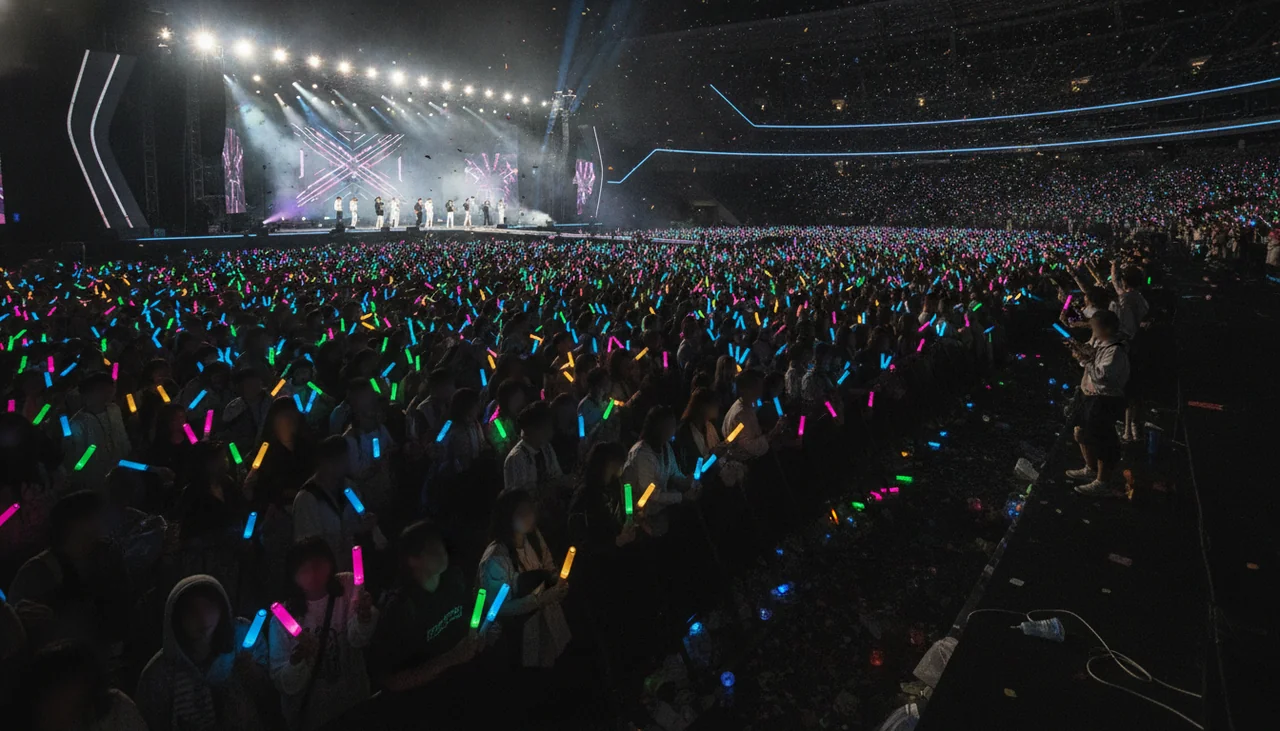
Imagine a sea of lightsticks pulsating in unison as your favorite K-pop group takes the Lollapalooza stage. This isn’t just a fantasy; it’s the reality that K-pop brings to any major festival. The fandom culture is an integral part of the performance itself. While fancams will undoubtedly capture every iconic move, the real magic is in the collective experience. The synchronized chants, the fan projects, the palpable excitement – it transforms a standard festival set into a communal celebration. Platforms like Weverse connect fans globally, fostering a sense of community that extends far beyond the physical concert grounds. This means that even if you’re not physically at Lollapalooza, the online buzz, the shared moments, and the instant reactions create a global event.
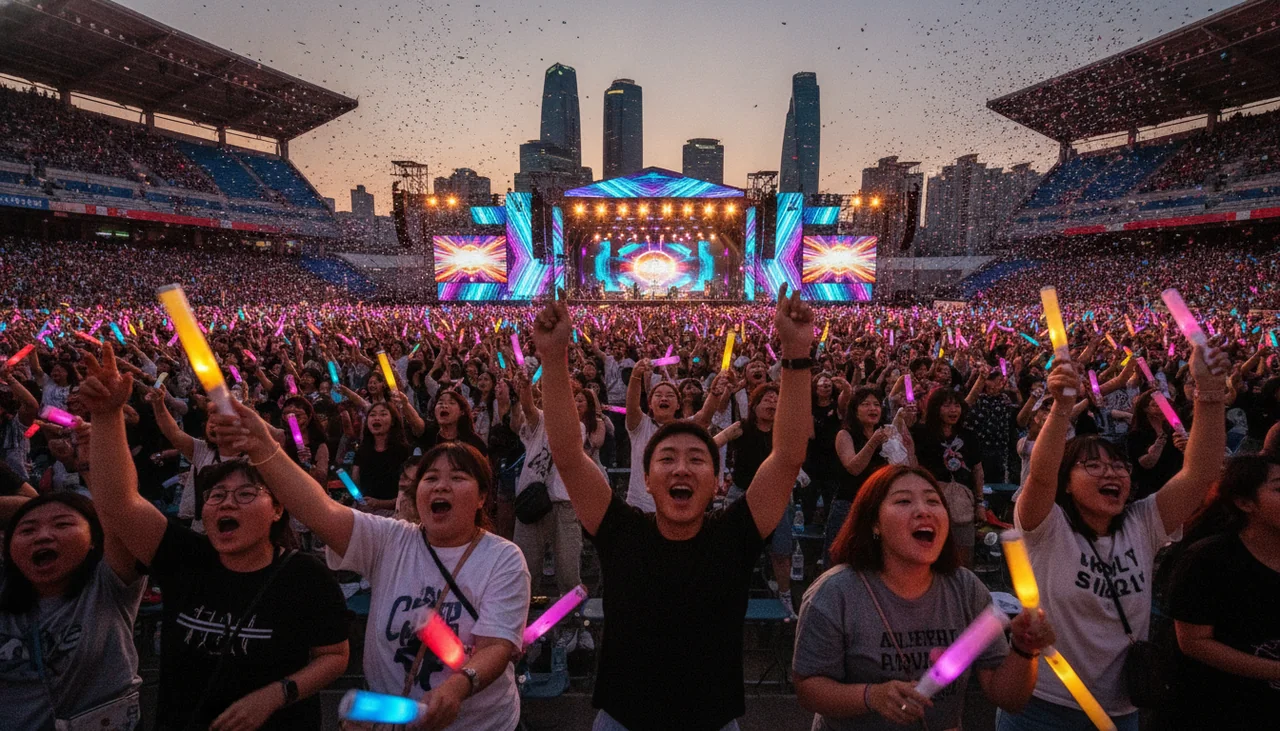
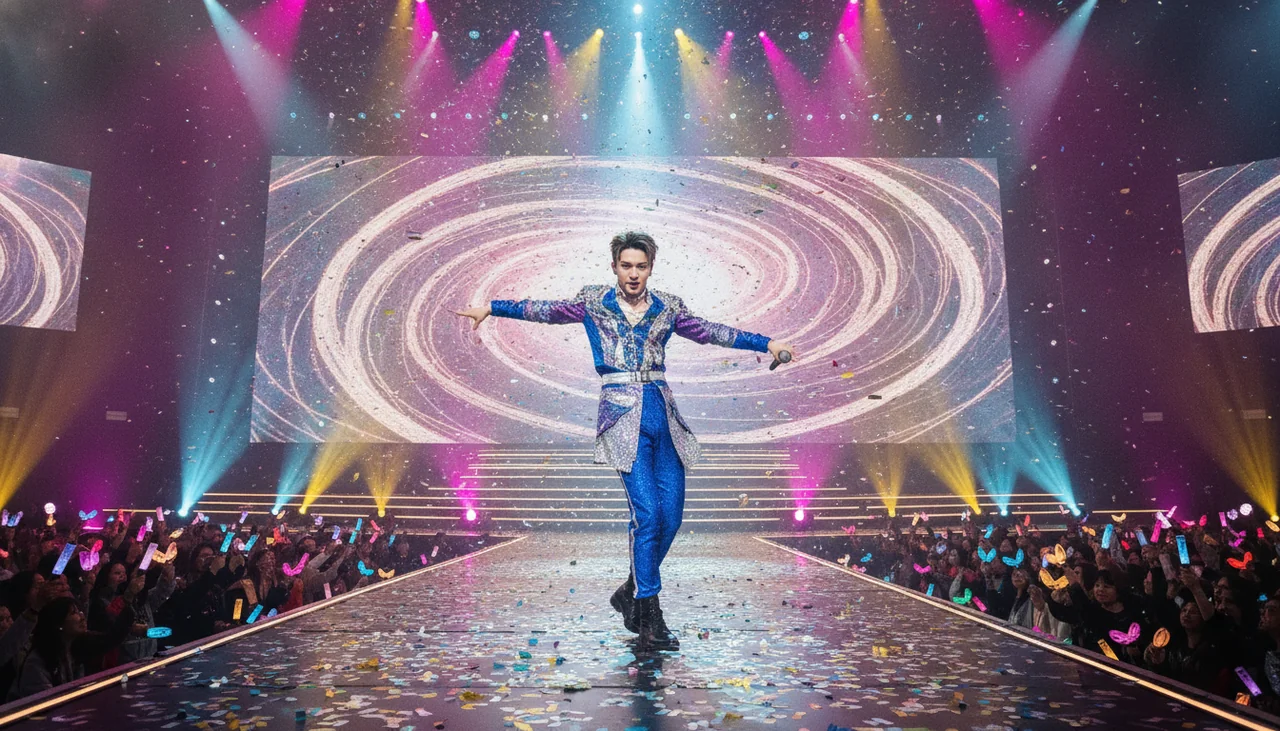
The performance itself is a masterclass in stagecraft. K-pop groups are known for their rigorous training, and it shows. Every move is precise, every vocal note intentional. This professionalism, combined with the raw emotion and connection they build with their fans, creates a truly unforgettable spectacle. Even for groups like TWICE, whose “K-pop spectacle” landed in Charlotte on April 1, 2026, the question of “does it translate?” (Charlotte Observer) is continually being answered with a resounding “yes” as their global footprint expands. The visual storytelling, often tied to their latest comeback concept, adds another layer of depth that enriches the festival experience for both dedicated fans and curious newcomers alike.
Bridging Cultures: The Music & The Message
K-pop’s appeal at a festival like Lollapalooza isn’t just about the spectacle; it’s deeply rooted in its music. From the intricate production to the diverse genres explored, K-pop offers something for every palette. Take RIIZE’s “Do Your Dance,” reviewed by thebiaslist.com on June 15, 2026. Tracks like this showcase the contemporary sounds and fresh perspectives that K-pop continually brings to the global music scene. These aren’t just catchy tunes; they are meticulously crafted pieces of art designed to move audiences both physically and emotionally.
The lyrical content, even when in Korean, often touches on universal themes of youth, dreams, love, and self-acceptance, resonating with listeners regardless of language barriers. BTS’s “ARIRANG” being recognized as a “global pop album” while still being “rooted in” Korean culture is a perfect example of this cultural bridge. It demonstrates how K-pop can introduce international audiences to new sounds and perspectives without compromising its identity. This cultural exchange is a cornerstone of what makes festivals so vibrant, and K-pop artists are at the forefront of facilitating this global conversation through their art. Choi Sung-rak of Kangseo University noted on July 23, 2026, that “K-pop is turning up the volume,” a sentiment that perfectly captures the genre’s growing influence and capacity to be a major voice on global stages.
Practical Tips for the Ultimate K-Pop Festival Experience
Attending a festival with K-pop acts on the lineup is an experience like no other. To truly make the most of it, a little preparation goes a long way.
1. Lightstick Power-Up: Your lightstick isn’t just a cute accessory; it’s your connection to the fandom and the performance. Make sure it’s fully charged or has fresh batteries. Many groups have specific lightstick apps that allow for synchronized light effects during the show, so download those in advance! 2. Learn the Fanchants: While you don’t need to know every single one, learning the key fanchants for a group’s most popular tracks will elevate your experience immensely. There are plenty of fan-made guides online. Joining in with thousands of other fans is an incredible feeling. 3. Hydrate and Stay Energized: Festivals are long, high-energy events. Stay hydrated, wear comfortable shoes, and pace yourself. You’ll want to be at your best when your bias group takes the stage! 4. Connect with Fellow Fans: K-pop fandoms are incredibly welcoming. Don’t be shy to strike up conversations, share photocards, or just enjoy the collective excitement. You’ll find friends instantly through shared love for your favorite idols. 5. Explore the Full Festival: While the K-pop stages will be a major draw, take time to explore other acts and experiences the festival offers. It’s an opportunity to discover new music and immerse yourself in the broader festival atmosphere. 6. Weverse and Social Media Check: Keep an eye on official Weverse announcements or social media channels for any last-minute schedule changes or special messages from the artists.
The Future is Loud: K-Pop’s Festival Dominance
The trajectory of K-pop on the global stage is clear: it’s not just growing; it’s exploding. The immense success of BTS’s 2026 stadium tours, their album “ARIRANG” earning global praise, and the general consensus that “K-pop is turning up the volume” (Choi Sung-rak, Kangseo University, July 23, 2026) all point to an era where K-pop is a non-negotiable presence at every major music festival. The desire for “more performance opportunities” (July 19, 2026) from artists and cultural organizations will only accelerate this trend.
K-pop’s unique blend of high-production value, dedicated fandom, and genre-bending music creates an experience that no other music genre can quite replicate. From the “dazzling stadium spectacle” of BTS to the “happy assault on the senses” reported from the “K-pop Forever! Tribute,” the industry is consistently proving its ability to deliver. Global festivals like Lollapalooza are not just venues; they are crucial platforms for K-pop to further cement its status as a global cultural phenomenon, inviting new audiences into its vibrant world and continuing to push the boundaries of what live music can be. Get ready, because K-pop is here, and it’s ready to dance.
Quick Summary
Global Impact: K-pop, exemplified by BTS’s “dazzling stadium spectacle” in London (Rolling Stone UK, July 7, 2026) and their “historic Gwanghwamun comeback show” (The Korea Times, March 21, 2026), is a major force on the global stage. Cultural Bridge: Albums like BTS’s “ARIRANG” are praised by Rolling Stone, NME, and Complex (June 24, 2026) for being both globally polished and culturally rooted, expanding K-pop’s appeal. Fandom Power: Dedicated fan culture, with lightsticks and fanchants, transforms festival performances into unique, communal celebrations that amplify the experience. Performance Excellence: K-pop artists deliver a “happy assault on the senses” (Irish Examiner, June 11, 2026) with their high-energy, meticulously choreographed, and vocally strong stages. * Future Growth: With “K-pop turning up the volume” (Choi Sung-rak, Kangseo University, July 23, 2026), major festivals are key to providing more “performance opportunities” and cementing K-pop’s global dominance.
Found this helpful? Bookmark us! ⭐