Alright, fellow K-Pop stans, let’s talk about something that truly sets our idols apart: the choreography. We’re deep into 2026, and the sheer artistry, complexity, and storytelling embedded in Korean idol dance choreography have reached stratospheric levels. It’s not just about looking cool anymore; it’s about defining entire comebacks, captivating millions, and solidifying K-Pop’s global dominance. Honestly, watching a perfectly executed K-Pop stage is an experience unlike any other, a masterclass in visual and sonic storytelling.
Choreography as the Heartbeat of Comebacks
Every comeback is a meticulously crafted universe, and choreography is the gravitational force holding it all together. It’s the visual language that amplifies the song’s message, imprinting itself onto our memories long after the music fades. Take BTS’s highly anticipated ‘Arirang’ comeback earlier this year. Reports from The Korea Times on March 21, 2026, highlighted their “historic Gwanghwamun comeback show,” emphasizing how the group flexed “K-pop dominance.” This isn’t just about the music; it’s about the impact of their performance, where every move on that grand stage communicated their rekindled fire, as noted by the BBC on the same date. Rolling Stone, NME, and Complex further lauded ‘Arirang’ in June 2026, specifically mentioning how BTS’s “performance energy” was expected to take on a “new form.” This new form is the choreography – innovative, powerful, and deeply rooted in the song’s narrative.
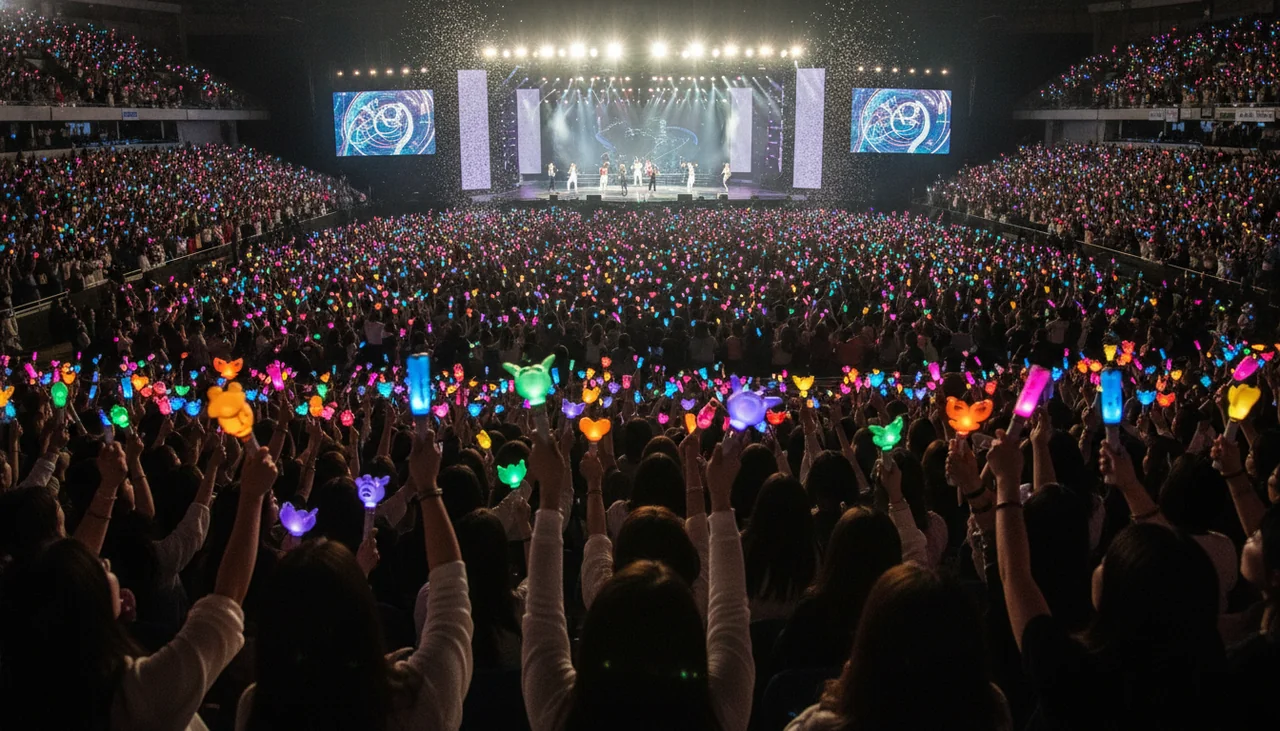
Or consider RIIZE’s ‘Do Your Dance,’ which was reviewed by thebiaslist.com on June 15, 2026. The very title suggests a track designed around its movement. For groups like RIIZE, their choreographies are often a blend of raw energy and intricate footwork that becomes instantly recognizable. It’s not enough for a song to be catchy; its dance must be iconic, creating those viral moments that flood our social media feeds and inspire countless dance covers. The choreography isn’t an afterthought; it’s central to the song’s identity, making it a complete artistic package that resonates globally.
The Art of Synchronicity: Collaborative Stages and Group Power
One of the most awe-inspiring aspects of K-Pop choreography is the unparalleled synchronicity of groups. When multiple idols move as one, it creates a visual impact that’s both powerful and mesmerizing. And in 2026, we’ve seen this taken to a whole new level with exciting collaborations. Think about the buzz around LE SSERAFIM, ILLIT, and KATSEYE teaming up for ‘ICONIC BY MISTAKE.’ HYBE’s announcement on June 9, 2026, hyped their first performance on Mnet’s ‘M Countdown’ on June 11, predicting it would be “one of the most-watched K-pop performances of the week.”
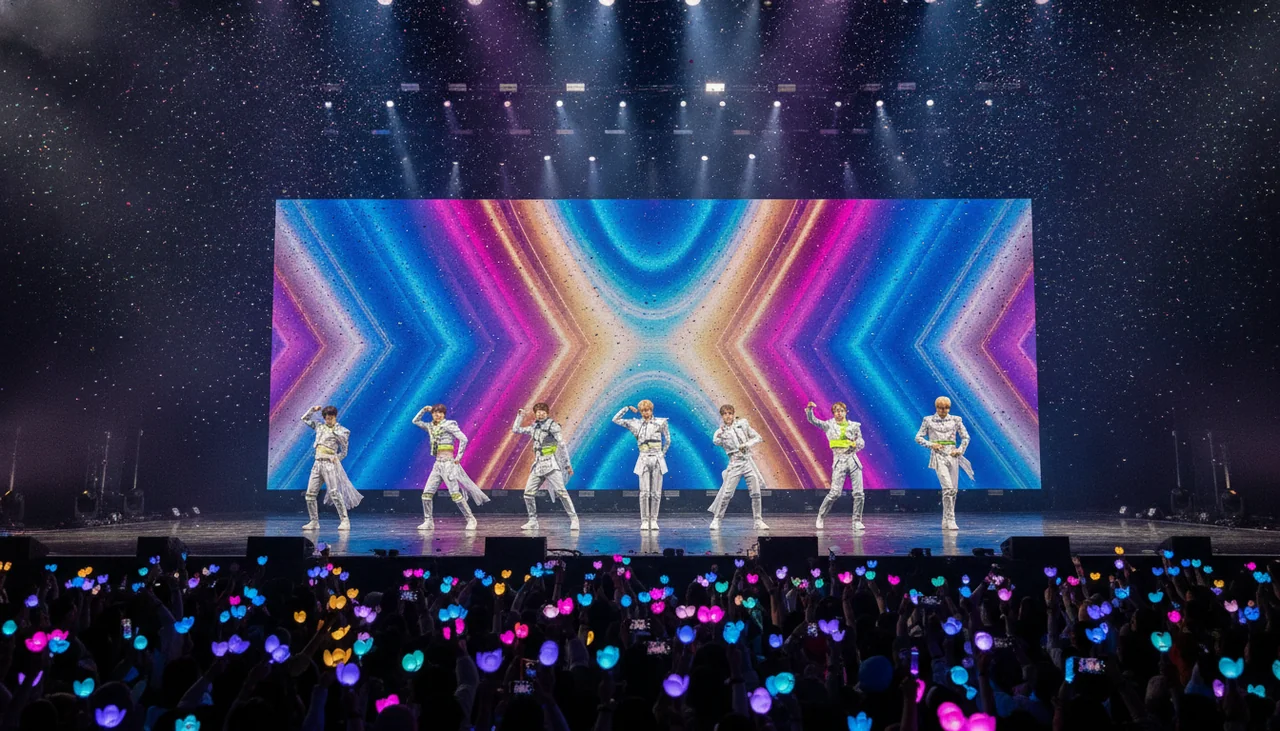
Why was this such a big deal? Because combining the unique styles of three distinct groups into a cohesive, synchronized performance demands incredible skill and coordination from both the idols and the choreographers. It’s a testament to the rigorous training and dedication that goes into K-Pop. For fans, witnessing such a stage isn’t just a treat; it’s a moment of collective appreciation for the precision and teamwork that are hallmarks of K-Pop. The way different groups’ strengths are woven together through dance tells a story of unity and artistic collaboration that transcends individual fandoms, creating a truly unforgettable visual spectacle.
Beyond the Stage: Fancams, Challenges, and Global Reach
K-Pop choreography truly lives and breathes beyond the main stage. In 2026, the ecosystem of fan-created content and digital platforms has amplified the reach of these dances exponentially. Fancams, those glorious close-up videos focusing on individual members, are practically a cultural phenomenon. They allow us to dissect every subtle movement, every facial expression, and every nuanced detail of the choreography that might be missed in wider shots. These aren’t just supplementary content; for many, they are the way to truly appreciate an idol’s skill and stage presence.

Then there are the dance challenges – short, catchy snippets of choreography that go viral across TikTok, Instagram Reels, and YouTube Shorts. These challenges are not just fun; they are a crucial part of a comeback’s promotional cycle, turning fans into active participants in spreading the music. Weverse, for example, isn’t just a communication platform; it uses “data analysis that help shape promotion strategies,” as reported on June 9, 2026. This means platforms are actively tracking how choreography is being consumed and shared, informing how future dances are created and promoted. This global engagement, fueled by accessible choreography, helps solidify K-Pop’s position as a “global pop album” genre, as noted in the praise for BTS’s ‘Arirang’ (June 24, 2026, Rolling Stone, NME, Complex). The power of a catchy, repeatable dance move cannot be underestimated in today’s digital landscape.
Choreography for the Stadium: Spectacle and Scale
When K-Pop idols hit a stadium stage, the choreography transforms. It’s no longer just about intricate details for a TV audience; it’s about creating a grand spectacle that can captivate tens of thousands of people in a massive arena. BTS’s return to the global concert stage in 2026 perfectly illustrates this. Their first UK show in seven years, reviewed by The Guardian on July 7, 2026, was described as “pure joy and astonishing versatility.” Rolling Stone UK, on the same day, called their London performance a “dazzling stadium spectacle.” And don’t forget their “spectacular concert” in the Bay Area, as reported by The Mercury News on May 17, 2026.
These reviews aren’t just about the songs; they’re about the performance. Stadium choreography requires broader movements, dynamic formations that utilize the entire stage, and an understanding of how to project energy to the farthest corners of the venue. It often involves elaborate stage props, backup dancers, and even drone light shows, all integrated seamlessly with the idols’ movements. It’s about creating an immersive experience where the dance is a moving panorama, a living, breathing work of art that fills the massive space. The challenge for choreographers is to maintain the essence of the original dance while adapting it for a scale that few other music genres attempt, and K-Pop artists consistently deliver.
The Future of Movement: Innovation and Storytelling
So, what’s next for K-Pop choreography? The innovation never stops. We’re seeing choreographers push boundaries, incorporating elements from contemporary dance, street styles, and even traditional Korean movements to create something entirely new. The ‘Arirang’ comeback, for instance, with its promise of “performance energy… to take on a new form” (June 24, 2026, Rolling Stone, NME, Complex), hints at a deeper integration of cultural narrative within the dance itself. This isn’t just about aesthetics; it’s about telling stories, conveying emotions, and building a deeper connection with the audience.
Practical Tip: To truly appreciate the depth of K-Pop choreography, try watching a performance with the sound off first. Focus solely on the movements, the formations, the transitions, and how the idols interact with each other and the space. You’ll be amazed at the narrative and emotional power conveyed through dance alone! Then, watch it again with the music, and see how the two elements perfectly complement each other. The global competitiveness of K-Pop, as linked to FIFA-licensed merchandise potential by a July 10, 2026 analysis, shows just how much this cultural content is valued worldwide. And at its core, the dynamic, evolving art of choreography is a massive part of that value.
Quick Summary
K-Pop choreography in 2026 is a vital, evolving art form that goes far beyond mere dance steps. It’s the core of comeback identities, exemplified by BTS’s ‘Arirang’ and RIIZE’s ‘Do Your Dance.’ It showcases unparalleled group synchronicity, as seen in the LE SSERAFIM, ILLIT, and KATSEYE collaboration that Mnet’s ‘M Countdown’ showcased on June 11, 2026. Choreography’s global reach is amplified by fancams and dance challenges, with platforms like Weverse using data to shape promotional strategies (June 9, 2026). For stadium tours, choreography is adapted for grand spectacle, as BTS’s “dazzling stadium spectacle” in London (July 7, 2026, Rolling Stone UK) proved. Ultimately, K-Pop dance continues to innovate, weaving rich storytelling into every movement and solidifying its place as a global cultural phenomenon.
Found this helpful? Bookmark us! ⭐