The K-Pop industry continues its breathtaking ascent in 2026, proving it’s far more than a fleeting trend. Remember how 2025 ended with K-Pop stars dominating music alongside global titan Taylor Swift? That wasn’t just a moment; it was a clear sign of a new era, as reported by the BBC on February 20, 2026. This year, we’re seeing K-Pop not just maintain, but deepen its global roots, reshape its internal dynamics, and embrace cutting-edge technology in ways that are both exciting and, at times, challenging. From record-breaking comebacks to the ever-evolving landscape of fan engagement and even high fashion, 2026 is truly a pivotal year for Hallyu, defining the future trajectory of our beloved genre.
The Unstoppable Global Expansion & Chart Dominance
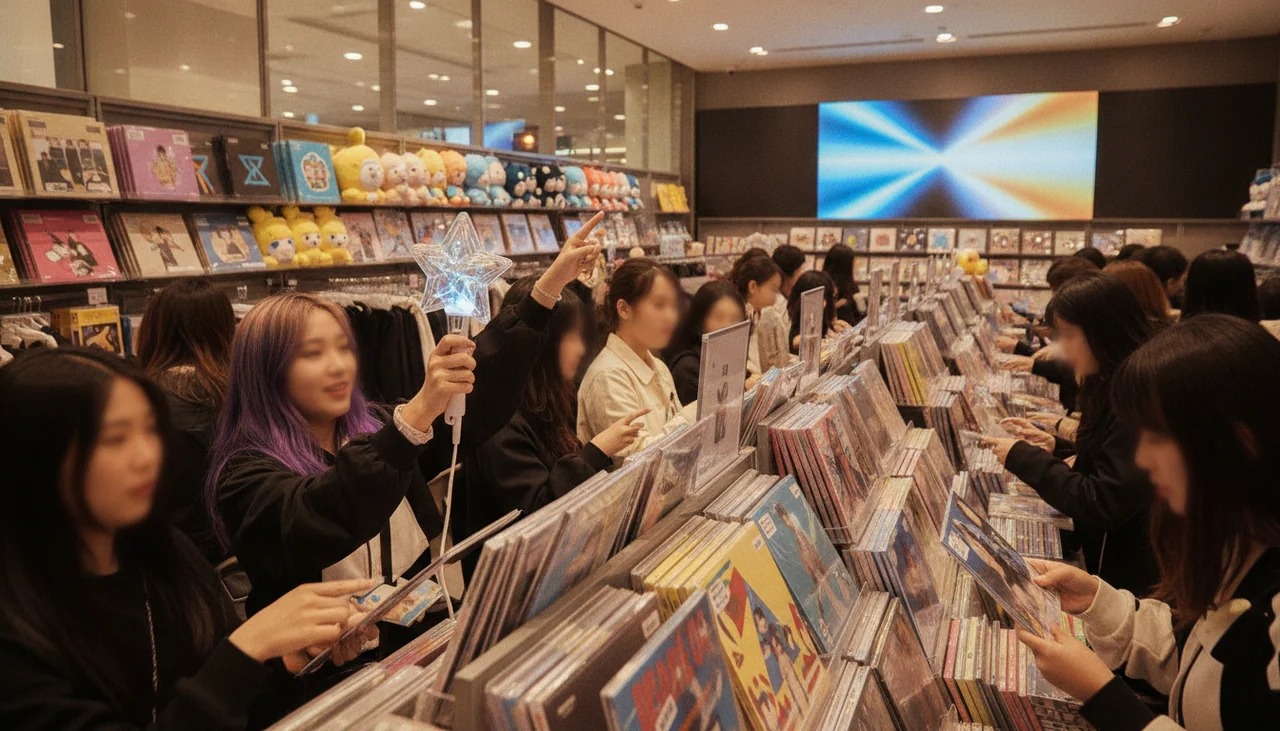
It’s no secret that K-Pop’s global footprint is expanding at an unprecedented rate, and 2026 is solidifying this trend with remarkable force. The U.S. market, in particular, has become a powerhouse for K-Pop consumption and influence. Just look at the incredible achievement of Ejae, who was named the most-streamed K-pop artist in the U.S. in 2025, a testament to their growing influence and dedicated fanbase, as reported by Yonhap News Agency on March 9, 2026. This isn’t just about streaming numbers; it’s translating into tangible economic impact. Bunjang Data, on February 18, 2026, revealed that the U.S. is now the main driver of K-pop merchandise sales, indicating a deep, passionate engagement beyond just listening.

This financial power from overseas fans, particularly those with greater disposable income, is actively reshaping the power dynamics within K-Pop, as highlighted by Asia News Network on March 12, 2026. This shift means more global tours, more international collaborations, and a greater emphasis on reaching fans worldwide. We’ve seen titans like Stray Kids and SEVENTEEN continue to smash records with their recent comebacks, with Dojeon Media reporting their immense achievements on April 13, 2026. Every comeback these days feels like a global event, with fans from every continent coordinating streaming parties and album purchases, lightsticks ready for the next tour announcement. For us, the global fans, supporting official releases and merchandise is more crucial than ever to show our collective strength and help our idols reach new heights on international charts.
Navigating Fandom Dynamics & Industry Challenges
While the global expansion is exhilarating, 2026 also brings into sharp focus some of the industry’s perennial challenges and evolving fandom dynamics. The topic of member exits, for instance, continues to be a poignant one for many fandoms, sparking intense discussions online. Billboard’s piece on March 11, 2026, listing ‘The 15 Most Surprising Member Exits From K-Pop Groups,’ and Lifestyle.INQ’s follow-up on April 24, 2026, asking ‘Why is everyone leaving their K-pop groups?’, underscore a difficult reality. These departures, whether due to contract disputes, health concerns, or personal reasons, often leave fans heartbroken and groups scrambling to adjust their meticulously crafted concepts. It’s a stark reminder of the immense pressures idols face behind the glamorous facade.

The intense dedication of fans, while largely positive and a core strength of K-Pop, also brings its darker aspects. The persistent issue of sasaengs, for example, continues to challenge agencies in protecting their artists’ privacy and well-being, demanding constant vigilance and new protective measures. On the business side, even within a booming Hallyu wave, not every venture hits the mark perfectly. We saw this recently with the unfortunate closure of a significant K-Pop fandom IP platform on June 30, 2026. Despite holding ‘powerful K-PoP fandom IP,’ the platform suffered from ‘payment system errors and poor operation,’ according to an article in Short-form drama news on July 8, 2026. This serves as a critical lesson for companies: the fan experience, especially in digital interactions and payment systems, must be seamless and reliable. For us, the fans, it’s a call to support artists through official and reputable channels, ensuring our dedication translates into sustainable and secure growth for our idols, rather than supporting poorly managed platforms.
TikTok & Tech: The New Battleground for Engagement
The digital landscape is constantly shifting, and K-Pop, ever the trendsetter, is right at the forefront of this evolution. In 2026, TikTok has become absolutely unavoidable for K-pop stars, as Asia News Network pointed out on March 17, 2026. Short-form content is no longer just a promotional tool; it’s an integral part of a group’s identity and a primary way for new fans to discover their biases through viral fancams and engaging challenge videos. Idols are increasingly engaging directly with fans through these platforms, offering glimpses into their daily lives and behind-the-scenes moments that build deeper, more personal connections. This active participation on TikTok not only boosts visibility but also fosters a sense of community around new comebacks and promotions.
Beyond TikTok, the conversation around Artificial Intelligence (AI) is rapidly evolving within the broader entertainment industry. We’re seeing generative AI being explored in various creative industries, from China’s $16.5 billion micro-drama industry already using AI-generated video, as noted by TechBuzz China in 2026, to discussions about its role in the animation industry, as reported by K-Culture Dive AI News on June 12, 2026. While the immediate applications in K-Pop are still developing, the potential for AI in content creation, personalized fan experiences, and even the future of virtual idols is immense. Platforms like Weverse continue to be crucial hubs for official fan-artist communication, offering a more curated and intimate space away from the broader social media noise. Staying updated on these tech trends is key for fans who want to truly connect with their idols and understand the evolving landscape of K-Pop in this fast-paced digital era.
Beyond Music: K-Fashion & Hallyu’s Broader Cultural Reach
K-Pop’s influence extends far beyond the charts and concert halls; it’s a driving force for the entire Hallyu wave, sweeping across fashion, beauty, and various other cultural sectors. This year, we witnessed a major milestone in K-fashion with JJ International being selected as the exclusive Korean partner for Milan Fashion Week’s ‘B ICONIC STAGE,’ a monumental step for global buyer matching and pop-ups, announced by Global Fashion News on July 10, 2026. This isn’t a sudden rise; the ‘2025 SS26’ season already proved the global influence of K-Fashion, showcasing its unique blend of innovation and style on the international stage. K-Pop idols, with their impeccable styling and trendsetting looks, are inherently fashion icons, making this expansion feel incredibly natural and organic.
Similarly, K-beauty is experiencing a ‘second boom,’ moving beyond traditional Asian consumers to win over mainstream shoppers worldwide. The U.S., notably, became South Korea’s top cosmetics export market in 2025, according to News Focus on June 17, 2026, highlighting the global appeal of Korean skincare and makeup innovations. The government’s 2025 Hallyu Ecosystem Survey further underscores the widespread impact of Hallyu-related cultural content, as mentioned by K-Culture Dive AI News on July 7, 2026. This comprehensive cultural expansion means that when you support K-Pop, you’re not just buying an album or a lightstick; you’re participating in a global cultural phenomenon that touches everything from what we wear to what we watch. It’s truly a daesang-worthy performance for Korean culture on the world stage, and as fans, we are integral to its continued success.
Quick Summary/Key Takeaways
So, what’s the big picture for K-Pop in mid-2026? It’s a story of incredible growth intertwined with dynamic shifts and crucial lessons.
Global Domination Continues: The U.S. market is a central pillar, driving streaming for artists like Ejae and leading merchandise sales, cementing K-Pop’s international power. This global fan base is actively reshaping industry priorities. Fandom Power, Fandom Pains: Overseas fans hold significant sway, but the industry is also grappling with the realities of member changes and the need for robust, reliable fan platforms, as evidenced by the unfortunate K-Pop fandom IP closure due to operational issues. Tech-Forward Engagement: TikTok is an indispensable platform for idol-fan interaction and discovery, and AI’s potential looms large, reshaping how idols connect with fans and how content is created. Keep an eye on new digital interaction methods and official platforms like Weverse. Hallyu Expands Broadly: K-Pop is a powerful catalyst, propelling K-fashion onto international runways like Milan Fashion Week and driving the global success of K-beauty. Supporting any facet of Hallyu contributes to the overall wave.
The K-Pop landscape in 2026 is dynamic, challenging, and undeniably exciting. As fans, our role in supporting our idols through official channels and engaging thoughtfully with the culture is more important than ever. Keep streaming, keep cheering, and let’s see what incredible heights K-Pop reaches next!
Found this helpful? Bookmark us! ⭐