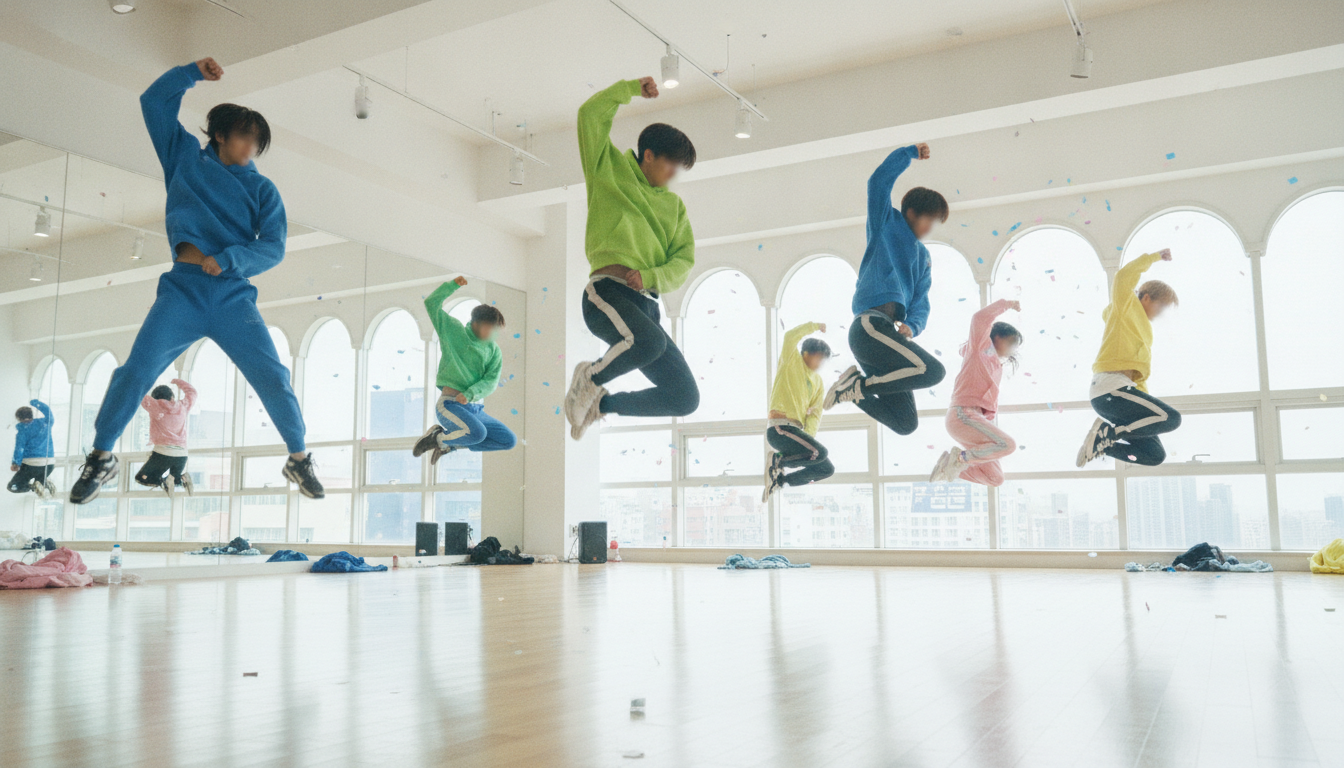
Hello, K-Pop stans and dance enthusiasts! It’s your passionate K-Pop culture writer here, thrilled to dive deep into a topic that truly defines the genre: Korean idol dance choreography. As we navigate through 2026, the landscape of K-Pop performance continues to evolve, pushing boundaries, telling stories, and captivating audiences worldwide with its sheer artistry and precision. Forget just moving to the beat; K-Pop choreography in 2026 is a complex language, a visual spectacle, and a powerful tool for connection.
From the synchronized perfection that first caught global attention years ago to the dynamic, narrative-driven movements we see today, K-Pop dance has consistently set the bar for pop performance. It’s more than just steps; it’s an integral part of an idol group’s identity, their concept, and their message. This year, we’re witnessing a fascinating blend of innovation and tradition, as choreographers and idols craft routines that are both breathtakingly difficult and incredibly impactful. Let’s unpack the magic of K-Pop dance in 2026 and explore why it remains an unparalleled force in global entertainment.
The Choreographic Evolution: From Synchronization to Storytelling
The journey of K-Pop dance is a testament to continuous innovation. In its earlier days, the emphasis was heavily on razor-sharp synchronization, where every member moved as one, creating a powerful, almost hypnotic visual. Groups like SHINee and INFINITE were legendary for this level of precision, setting a standard that quickly became a hallmark of K-Pop. While that incredible synchronicity remains a foundational element, the focus has broadened significantly in 2026.
Today, choreography is less about mere uniformity and more about conveying intricate narratives and emotions. Artists and choreographers are using movement to tell stories, build characters, and amplify the lyrical themes of their songs. Think of the complex emotional journeys expressed through the dance of groups like BTS, whose early work often intertwined intricate narratives with their powerful movements, setting a precedent for many to follow. This evolution means that every gesture, every formation change, and every expression is meticulously designed to contribute to the overall artistic vision, making each performance a mini-drama unfolding before your eyes. It’s not enough to be perfectly in sync; the dance must mean something, adding layers of depth to the musical experience.
Blurring Lines: Individuality Meets Group Cohesion
One of the most striking trends in 2026 K-Pop choreography is the sophisticated balance between individual expression and collective power. While the iconic “칼군무” (kalgunmu, or knife-like group choreography) is still very much alive and appreciated, there’s a growing appreciation for moments where individual idols can shine within the larger framework. This isn’t about breaking formation; it’s about strategic design.
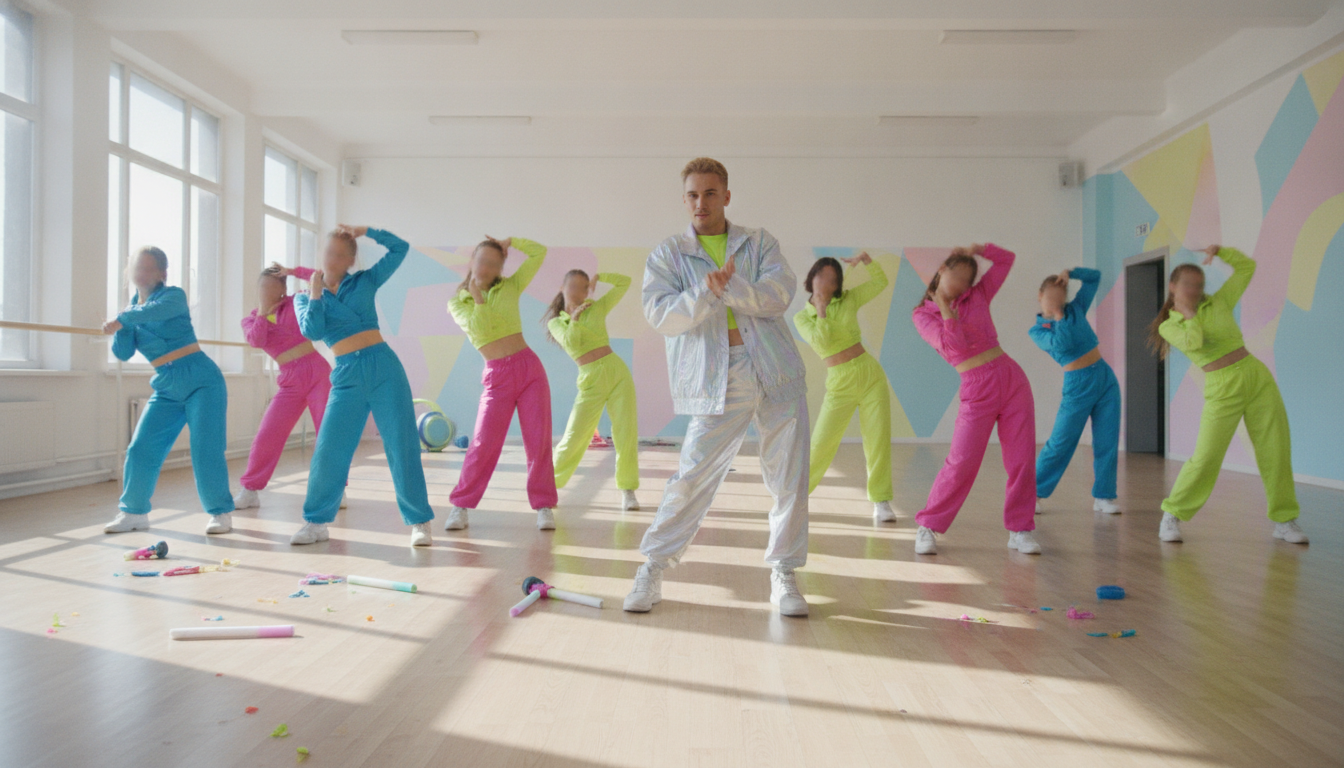
Modern choreographies often feature sections where members execute slightly varied movements, highlight their unique dance styles, or even incorporate subtle ad-libs that showcase their personality. Groups like NewJeans have masterfully blended a relaxed, almost freestyle aesthetic with incredibly intricate and precise group movements, creating a sense of effortless cool that’s actually meticulously planned. Similarly, the dynamic choreographies of Stray Kids often allow individual members to unleash their raw power and distinct stage presence while seamlessly transitioning back into formidable group formations. This approach celebrates the unique talents of each idol, preventing performances from feeling monotonous and ensuring that the audience remains engaged by the rich tapestry of individual and collective artistry. It’s a testament to the choreographers’ skill in crafting routines that cater to both the group’s overall concept and each member’s personal strengths.
The “Point Dance” Phenomenon: Global Reach in 2026
If you’ve spent any time on social media this year, you’ve undoubtedly participated in or witnessed a K-Pop dance challenge. The strategic inclusion of easily replicable yet impactful “point dances” or “killing parts” has become more crucial than ever in 2026. These short, memorable sequences are designed for virality, acting as powerful catalysts for fan engagement and global cultural exchange on platforms like TikTok, Instagram Reels, and YouTube Shorts.
This trend isn’t merely a marketing gimmick; it’s a brilliant form of interactive storytelling and community building. When groups like LE SSERAFIM or IVE release a new track, anticipation isn’t just for the song itself, but for the iconic point dance that will inevitably launch a thousand covers. Fans from every corner of the globe learn these moves, share their versions, and in doing so, become active participants in the comeback experience. This phenomenon transforms passive listeners into active dancers, amplifying a song’s reach exponentially and creating a truly global dialogue around K-Pop performance. The speed at which these challenges spread is astounding; the ‘challenge’ culture often explodes across social media platforms within hours of a new song’s debut, showcasing the immense power of accessible choreography.
Beyond the Stage: Expanding Performance Arenas
K-Pop choreography in 2026 is no longer confined to the traditional music show stage. The performance arena has expanded dramatically, encompassing high-concept music videos, intricately produced performance films, and even immersive virtual reality experiences. This evolution demands a new level of creativity and foresight from choreographers and idols alike.
When designing a routine now, creators must consider how it will translate across various mediums. Camera angles, dynamic transitions, and even lighting cues are integrated into the choreography process from the very beginning. A dance move might be designed to look spectacular from an overhead drone shot, or to create a specific silhouette for a close-up. This multi-platform approach means that the “dance practice” video, once a behind-the-scenes peek, has become a high-production piece of content in itself. It’s not uncommon for official K-pop dance practice videos to accumulate tens of millions of views on YouTube within weeks of release, demonstrating their importance as standalone content. This expansion beyond the fixed stage environment showcases the versatility and adaptability of K-Pop performance art, constantly finding new ways to engage and thrill audiences.
The Unsung Heroes: Choreographers and Their Craft
Behind every breathtaking K-Pop performance stands a team of incredibly talented and dedicated choreographers. These are the architects of the visual masterpieces we adore, working tirelessly to translate musical concepts into compelling movement. Their craft is a blend of artistic vision, technical expertise, and an intimate understanding of each idol group’s unique strengths and concepts.
The process is highly collaborative, involving countless hours of discussion and refinement between choreographers, idols, and creative directors. They brainstorm concepts, experiment with formations, and meticulously fine-tune every single step to ensure it perfectly aligns with the song’s mood and message. The immense effort put into learning and perfecting these routines by the idols themselves is also staggering. The average training period for an idol often spans 2 to 5 years, with dance training being a cornerstone of their rigorous schedules. Many active K-pop groups undertake multiple comebacks each year, introducing entirely new, intricate choreographies with every album, requiring constant learning and adaptation. This relentless pursuit of perfection, driven by both the choreographers’ genius and the idols’ dedication, is what elevates K-Pop dance to an unparalleled level of artistry and makes it such a powerful global phenomenon. The K-pop industry sees a significant number of new groups debuting annually, maintaining a constant demand for innovative and captivating dance routines, a testament to the choreographers’ ceaseless creativity.
Practical Tips for Appreciating and Learning K-Pop Choreography
Feeling inspired by the incredible artistry of 2026 K-Pop dance? Here are some practical tips to deepen your appreciation and even try your hand at learning some moves:
1. Watch Different Versions: Don’t stop at the music video! Seek out dance practice videos, performance videos from music shows, and individual fancams. Each offers a unique perspective on the choreography, allowing you to appreciate the group’s synchronicity, the details of individual movements, and how the dance adapts to different staging. 2. Focus on Storytelling: Instead of just seeing a sequence of steps, try to understand the narrative or emotion the dance is conveying. How do the movements reflect the lyrics or the overall concept of the song? This adds a whole new layer of appreciation. 3. Break It Down: If you’re trying to learn a dance, don’t overwhelm yourself by trying to master the whole routine at once. Break it down into 10-15 second segments. Utilize slow-motion playback functions on YouTube to catch intricate details. 4. Join a Community: Whether it’s an online forum, a local K-Pop dance class, or just a group of friends, learning and discussing choreography with others can be incredibly fun and motivating. You’ll pick up tips and tricks, and share your passion. 5. Don’t Be Afraid to Try: You don’t need to be an experienced dancer to enjoy K-Pop choreography. Start with simpler point dances, move at your own pace, and most importantly, have fun with it! The joy of K-Pop is for everyone.
Quick Summary
2026 continues to be a golden era for K-Pop dance choreography, showcasing an incredible blend of precision, artistry, and innovation. The evolution from pure synchronization to narrative-driven movement, the clever integration of individual flair within group cohesion, and the global impact of viral point dances are all defining characteristics of today’s K-Pop. Moreover, choreography is expanding beyond traditional stages into diverse digital platforms, while the unsung heroes—the choreographers—continue to craft visual masterpieces through tireless collaboration and dedication. Embrace the magic, appreciate the effort, and maybe even learn a step or two yourself!
Found this helpful? Bookmark us! ⭐