It’s a strange and quiet time to be an ARMY, isn’t it? The roar of the stadium crowds has faded into a gentle hum of memory, the flood of daily group content has slowed to a thoughtful trickle of solo projects, and the seven members are fulfilling their duties, scattered by time and obligation. Yet, in this relative silence, the name BTS has somehow never felt louder. Just this week, a mayoral candidate in Incheon made a public pledge that perfectly captures this paradox: he promised to renovate an entire stadium into a dedicated K-pop venue grand enough for a future BTS concert. Think about that for a moment. The group isn’t currently active, but their eventual return is already being factored into civic infrastructure planning. This isn’t just fandom anymore; it’s a gravitational force, a golden standard by which the very scale of success is now measured.
The Foundation of a Dynasty
For those who may have only caught the tidal wave of “Dynamite” or “Butter,” it can be hard to grasp the sheer grit that defined BTS’s origins. When they debuted back in 2013 under a relatively small and struggling label, Big Hit Entertainment (the precursor to the global powerhouse HYBE), they were the definitive underdogs. The K-pop landscape was dominated by the “Big Three” agencies, and BTS, with their raw hip-hop sound, socially conscious lyrics about the pressures facing Korean youth, and unapologetically intense choreography, were seen as outliers. Their debut track, “No More Dream,” wasn’t a bubbly pop anthem; it was a defiant challenge to a generation told to live without ambition. It was this authenticity, this willingness to speak to the anxieties of their peers, that began to forge an unbreakable bond with their nascent fanbase, who would soon adopt the name ARMY (Adorable Representative M.C. for Youth). This wasn’t a pre-packaged fairytale; it was the beginning of a real, shared journey, a story that fans felt they were building right alongside the seven members from the ground up.
Their initial years were a slow, steady climb, marked by hard-won music show wins and a growing international buzz fueled by their transparent and hilarious online content. They weren’t just idols performing on a distant stage; they were seven young men sharing their lives, their struggles, and their meals with fans through vlogs and social media. This accessibility demystified the idol experience and created a sense of genuine camaraderie. Albums like the *The Most Beautiful Moment in Life* series, which began in 2015, marked a pivotal shift. Here, they began weaving intricate storylines and profound themes of youth, friendship, and sorrow into their music, creating a complex universe that invited fans to theorize and connect on a much deeper level. For longtime fans, this might feel like the moment a favorite indie band suddenly found the perfect harmony between their raw message and a sound that could captivate the world. It was the launchpad that would eventually send them stratospheric, but the core of what made them special—their sincerity and the reciprocal love with their fandom—was already firmly in place.
An Unbroken Connection in the Quiet Years
The musical evolution of BTS is a story in itself, a masterclass in adaptation and artistic growth. From the aggressive, hip-hop-centric sound of their early EPs, they blossomed into artists who could tackle any genre with breathtaking confidence. The philosophical and artistic ambition of 2016’s *WINGS*, which gave each member a solo track to explore their individual psyche, was a landmark achievement in K-pop. This was followed by the globally resonant *Love Yourself* series, a campaign that transcended music to become a genuine mental health advocacy movement, culminating in multiple speeches at the United Nations. By the time they released “Dynamite” in 2020, their first all-English single, they weren’t just chasing a Western hit; they were delivering a meticulously crafted gift of joy during a global pandemic, and the world embraced it, sending the song to an unprecedented No. 1 on the Billboard Hot 100 chart. Their journey from writing about the confines of the classroom to shattering global music charts is a testament to their relentless drive to evolve, never content to stay in one sonic or thematic box.
This period of military enlistment and solo focus could have been a moment of fracture, a time when the collective energy dissipated. Instead, it has served as a powerful testament to their individual artistry and the strength of the foundation they built together. We saw a glimpse of this individual power when Jungkook took the stage for the 2022 FIFA World Cup opening ceremony, a historic first for a Korean artist that set a new precedent for K-pop’s global reach. In the years since, each member has used this time to paint with their own unique palette: RM with his introspective, lyrical albums; Jin with his heartfelt pop-rock anthems; Suga (as Agust D) with his raw, confessional rap; J-Hope with his experimental street dance sound; Jimin with his sensual, fluid R&B; V with his soulful, jazz-inspired melodies. It’s a bit similar to a legendary film director’s ensemble cast taking on individual character studies before reuniting for the epic finale. This era isn’t a hiatus in the traditional sense; it’s an expansion of the BTS universe, proving that the whole is even greater than the sum of its already brilliant parts.
Of course, the music is only half of the story. The unwavering loyalty of ARMY is the engine that continues to power the BTS legacy, even during this chapter of relative quiet. The group’s enduring relevance is starkly illustrated by recent fan-driven events. Look no further than the 2026 ASEA fan voting results, where, despite the group’s operational pause, BTS still commands a powerful third-place ranking among the most active and popular groups in the industry. This is a staggering achievement that speaks volumes about the organization and passion of the fandom. They aren’t just passively waiting; they are actively curating the group’s legacy, ensuring their presence is felt in every corner of the K-pop world. This bond was forged through years of direct, unfiltered communication on platforms like Weverse, and it’s nurtured by a shared belief in the group’s message of self-love and perseverance. Being an ARMY has always been about more than just consuming music; it’s about participating in a global community, mobilizing for charitable causes, and defending the members with a fierce, collective spirit.
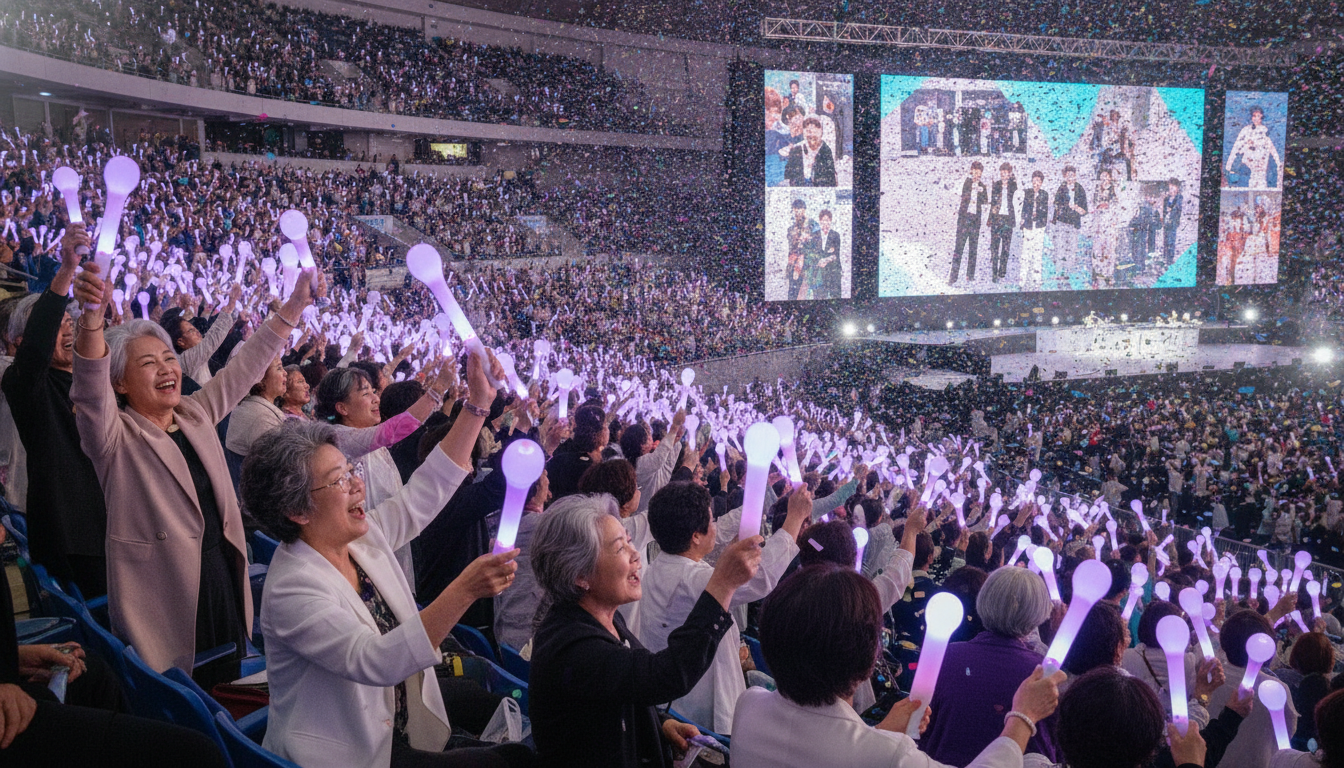
Ultimately, the silence from BTS as a full group has created a space for their impact to be fully appreciated. Their influence now extends far beyond the confines of the music industry. As recent reports from the UK highlight, their music continues to be a primary gateway for new fans discovering the broader landscape of Korean culture, from film and food to fashion. They are cultural ambassadors in the truest sense. When a politician in Korea uses a potential BTS concert as the benchmark for a multi-million dollar infrastructure project, it signals a profound shift. The group has become a permanent fixture in the national identity, a symbol of modern South Korea’s incredible soft power. Their story—seven boys from a small company who, through talent, hard work, and a genuine connection with their fans, conquered the world—has become an aspirational narrative for an entire generation, both within Korea and across the globe.
The Echo of a Behemoth
So why does BTS still matter so profoundly in 2026? Because they fundamentally changed the rules of the game. They proved that music in a language other than English could dominate the global conversation, breaking down long-standing barriers in Western radio and award shows. With a discography that has sold well over 100 million albums worldwide, they didn’t just top the charts; they redefined what was possible for a non-Western act. They built a universe around their music, rich with literature, art, and philosophical inquiry, elevating what a pop album could be. More importantly, they revolutionized the artist-fan relationship, transforming it from a top-down dynamic into a symbiotic partnership built on mutual respect and affection. Their current absence doesn’t create a void; instead, it casts a long shadow that highlights their immense presence. Every new group that emphasizes lyrical depth, every fandom that organizes for a cause, and every K-pop song that charts in the West is, in some small way, walking on a path that BTS helped pave.
Reconnecting with the Magic
If all this reflection has you missing the sheer, electrifying power of seeing all seven of them together, I have the perfect remedy. Go to YouTube and watch their performance of “IDOL” from the 2018 Melon Music Awards. It is a breathtaking, 10-minute masterpiece of performance art that incorporates traditional Korean music and dance, showcasing their pride in their heritage on one of K-pop’s biggest stages. It is the perfect encapsulation of everything that makes them legendary: the intricate choreography, the live vocal stability, the immense stage presence, and the powerful cultural storytelling. It’s a reminder of the magic that started it all, and a promise of the magic that is yet to come.