I still remember the feeling of my first K-pop concert over a decade ago. The mission was simple: learn the fanchants, get your group’s lightstick, and scream until your voice was gone. That was it. That was the core of fan culture. Fast forward to 2026, and after attending my 50th show last month, I can tell you the game has completely changed. Being a fan today is so much more layered, interactive, and honestly, more meaningful. The old playbook is out. If you really want to understand the currents shaping our community this year, you need to look beyond the massive streaming numbers and chart positions. The real evolution is happening on the ground, in the niche apps, and in the way we connect with the art itself.
The Rise of “Concept Fandoms”
We’ve always had concepts for every comeback, but 2026 is the year of the “Concept Fandom.” It’s one thing to love an album’s aesthetic; it’s another to live it. And no one embodies this shift more than XLOV. When news broke on May 27th that K-pop’s first self-described “genderless” act was seeing fans arrive at concerts wearing their previous stage styles and makeup, it wasn’t just a cool headline—it was a signal. I’ve seen fancams from their latest tour, and it’s breathtaking. The crowd isn’t a passive sea of lightsticks; it’s a living extension of the stage, a vibrant tapestry of individuals celebrating the group’s core message of fluidity and self-expression.
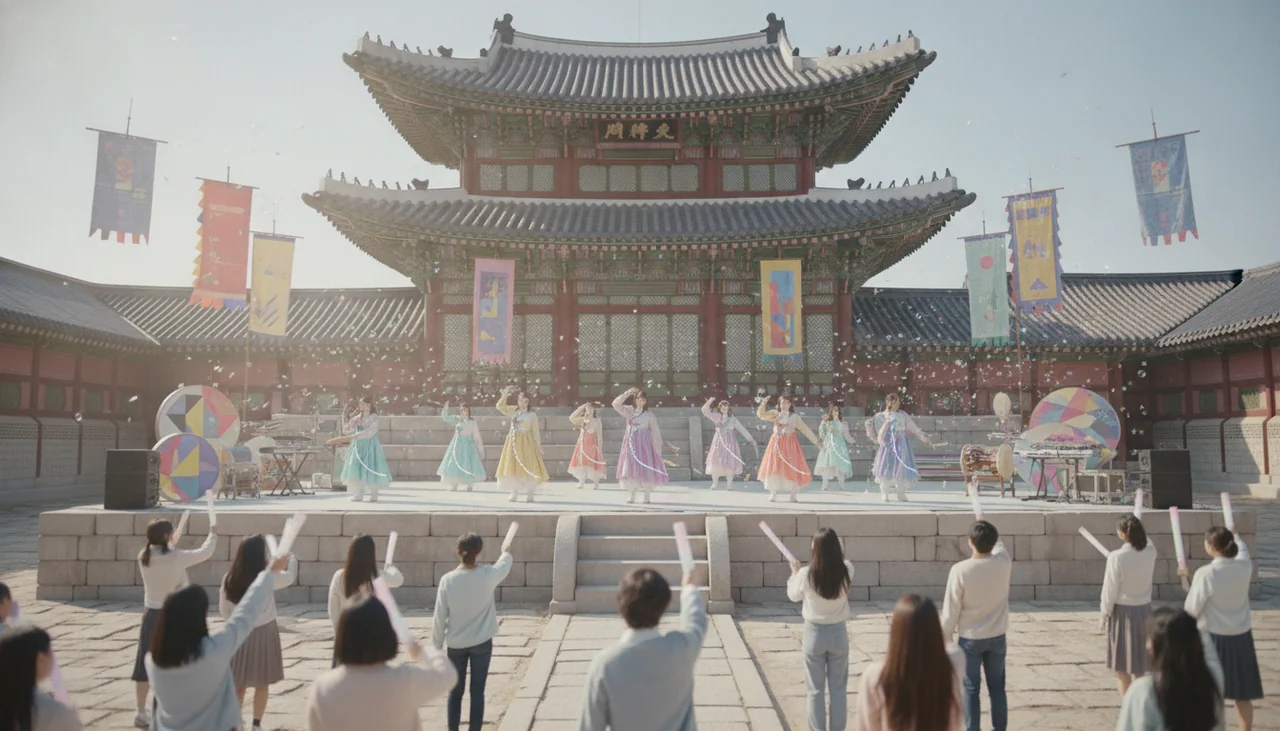
This goes so much deeper than just cosplay. It’s a form of active participation in the group’s identity. By adopting XLOV’s aesthetic, fans are making a statement that they don’t just consume the music; they align with its philosophy. It creates an incredible sense of belonging that standard merch just can’t replicate. Companies are noticing this. It’s no longer enough to have a great title track and a killer choreo. The groups that are truly connecting in 2026 are the ones with a message so powerful their fandom wants to wear it on their sleeves—literally.
Your Playbook Tip: If you’re stanning a group with a strong conceptual identity like this, lean into it! But do it thoughtfully. Research the meaning behind the styling. Is it referencing historical art? A specific subculture? Understanding the “why” makes your participation more respectful and meaningful. Share your looks on Weverse or other platforms, and connect with other fans who are embracing the concept. You’re not just a fan; you’re part of the art.
From Mass Voting to “Michelin-Class” Niches
Remember the days of frantic, all-out voting for the big year-end daesang awards? Of course, that’s still a huge part of our world. But a quieter, more interesting trend is emerging: hyper-niche fan polling. The perfect example of this dropped on April 17, 2026, when EXO’s D.O. was voted the K-pop star with “Michelin-class taste.” Now, what does that even mean? It’s a fan-created superlative, a fun, quirky honor that celebrates a specific, non-musical aspect of an idol’s personality.
What’s crucial here is where it happened. This wasn’t a poll on a massive social media site. According to the news, it was on a dedicated fan voting platform called Picnic. I’ve been seeing more and more of these specialized apps pop up. They create smaller, focused communities where fans can celebrate the little things—an idol’s fashion sense, their way with words, or in D.O.’s case, his perceived gourmet palate.
While these polls might seem like fluff, they are a powerful new data point for agencies. They reveal what specific traits fans find most endearing, which can directly influence brand endorsements and solo content. It’s a far cry from the days when the only feedback was album sales. Now, we can collectively tell a company, “We love this specific, unique thing about this member,” and they have the data to back it up. It’s a more nuanced and personal way for our voices to be heard, moving beyond just which song should be the title track.
Your Playbook Tip: Don’t dismiss these smaller platforms. Find out where your fandom’s micro-communities are gathering. Participating in these niche polls is a low-effort, high-impact way to show support for your bias’s unique qualities. It helps build a richer public persona for them that goes beyond their official role in the group.
Fandom as Cultural Ambassador: The Heritage Connection
For years, critics and outsiders would sometimes dismiss K-pop fans as just screaming teenagers. In 2026, that narrative is officially dead. Fandoms have become powerful conduits for cultural diplomacy, and the industry is embracing it. We saw this highlighted in a report on March 1, 2026, which detailed how global superstars like BTS and Blackpink are central to a movement connecting K-pop with Korean heritage.
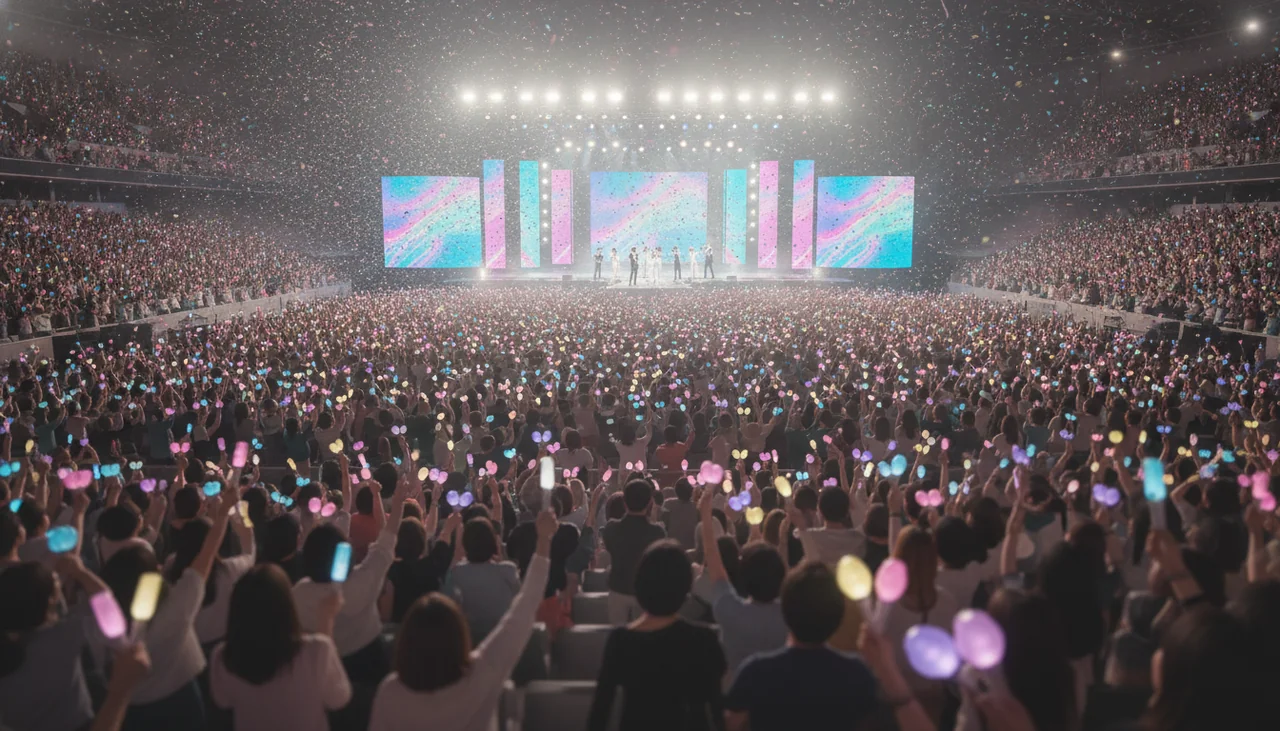
This isn’t just about an idol wearing a modernized hanbok in a music video, though that is still incredibly powerful. The article mentioned a groundbreaking collaboration: a museum audio guide featuring idols. Think about that for a second. Our passion is now actively being used to draw people into Korea’s national museums and teach them about history. We’ve evolved from funding birthday ads in Times Square to funding projects that preserve and promote cultural artifacts.
I’ve been following this for years, and it’s one of the most rewarding shifts in fan culture. When fans organize fundraising for a cause related to Korean heritage or trend hashtags to celebrate a historical anniversary mentioned by an idol, it deepens the entire experience. It’s no longer just about the parasocial relationship with the artist; it’s about a shared connection to the culture that created the art we love. It counters the lazy narrative that K-pop is manufactured by showing the world its deep, authentic roots.
Your Playbook Tip: Get involved! Follow fan unions or accounts dedicated to cultural projects. If your favorite group does a heritage collaboration, don’t just stream the song or buy the product. Take an extra 10 minutes to read about the historical site they visited or the traditional artisan they worked with. Share what you learned. This transforms passive consumption into active cultural appreciation.
The “Producer-Fan” Mindset: Supporting Idols’ Second Acts
The K-pop lifecycle used to be brutally short. But as the industry matures, so do its artists and its fans. One of the most significant evolutions in 2026 is how we’re supporting idols as they transition into roles behind the scenes. A February 22nd article in The Korea Herald nailed this, discussing how former idols are now stepping up to produce and guide the next generation of K-pop acts.
As culture critic Kim Heon-sik noted in the piece, these ex-idols bring an invaluable perspective. They’ve navigated the pressures, they understand the system, and they know what it takes to connect with an audience. For us as fans, this presents a new and exciting challenge. How do you support an idol who is no longer in the spotlight?
It requires a “producer-fan” mindset. You’re not just stanning a performer anymore; you’re investing in their creative vision. When an idol I’ve followed for a decade produces a new rookie group, my support extends to them. I’ll check out the debut, listen to the album, and watch their content, all because I trust the creative direction of someone whose musical journey I’ve been a part of for years. It’s a long-term commitment that honors the artist’s entire career, not just their time on stage. It also fights the industry’s ageism by showing that an idol’s value doesn’t expire when they stop performing. This is how we ensure the artists we love have sustainable, lifelong careers in the industry they helped build.
Your Playbook Tip: When your bias starts producing, composing, or choreographing for other groups, treat it like a comeback. Follow the new group’s accounts. Listen to the B-sides they worked on (not just the title track). Talk about their specific contributions online. This shows the company—and the idol—that their creative work has a built-in, dedicated audience.
Key Takeaways
– Embrace the Concept: Fandom in 2026 is about active participation. Engage with your group’s core message, like XLOV fans are doing, to build a stronger community. – Find Your Niche: Look for specialized fan platforms like Picnic. These smaller polls are the new frontier for showing nuanced support for your favorite idols. – Be a Cultural Ambassador: Support collaborations between idols and Korean heritage sites. Your passion can have a real-world cultural impact beyond the charts. – Think Long-Term: As first and second-gen idols become producers, adapt your support. Championing their behind-the-scenes work is the new way to be a lifelong fan.
Found this helpful? Bookmark us! ⭐