Alright, fellow K-pop stans, can we just take a moment? It’s July 1, 2026, and the landscape of K-pop is shifting faster than a comeback concept change. We’ve been talking about K-pop’s global takeover for years, but what’s happening now truly feels like a new chapter. That feeling of the “K” in K-Pop becoming silent, as Bloomberg.com noted back in October 2025, is no longer just a theory—it’s our reality. The genre is so deeply embedded worldwide that its origins are almost secondary to its universal appeal.
The industry is buzzing with innovation, new market entries, and yes, some growing pains. From groundbreaking AI integrations to the impressive rise of unexpected acts, 2026 is shaping up to be a pivotal year. Let’s dive into what’s making headlines in Korean entertainment news today and how it’s shaping the future of our beloved music.
The Global Stage: Wider, Wealthier, and More Diverse
Remember how Billboard declared K-Pop “more global than ever in 2025” on December 30, 2025? That momentum has only amplified. It’s not just about chart positions anymore; it’s about a fundamental shift in how K-pop operates and who influences it. Asia News Network reported on March 12, 2026, that “wealthier overseas fans reshape power dynamics in K-pop.” This isn’t just about album sales; it’s about the entire ecosystem, from concert demand to merchandise choices. Fandoms outside of Korea are now significant drivers, influencing everything from tour stops to content creation requests on platforms like Weverse.
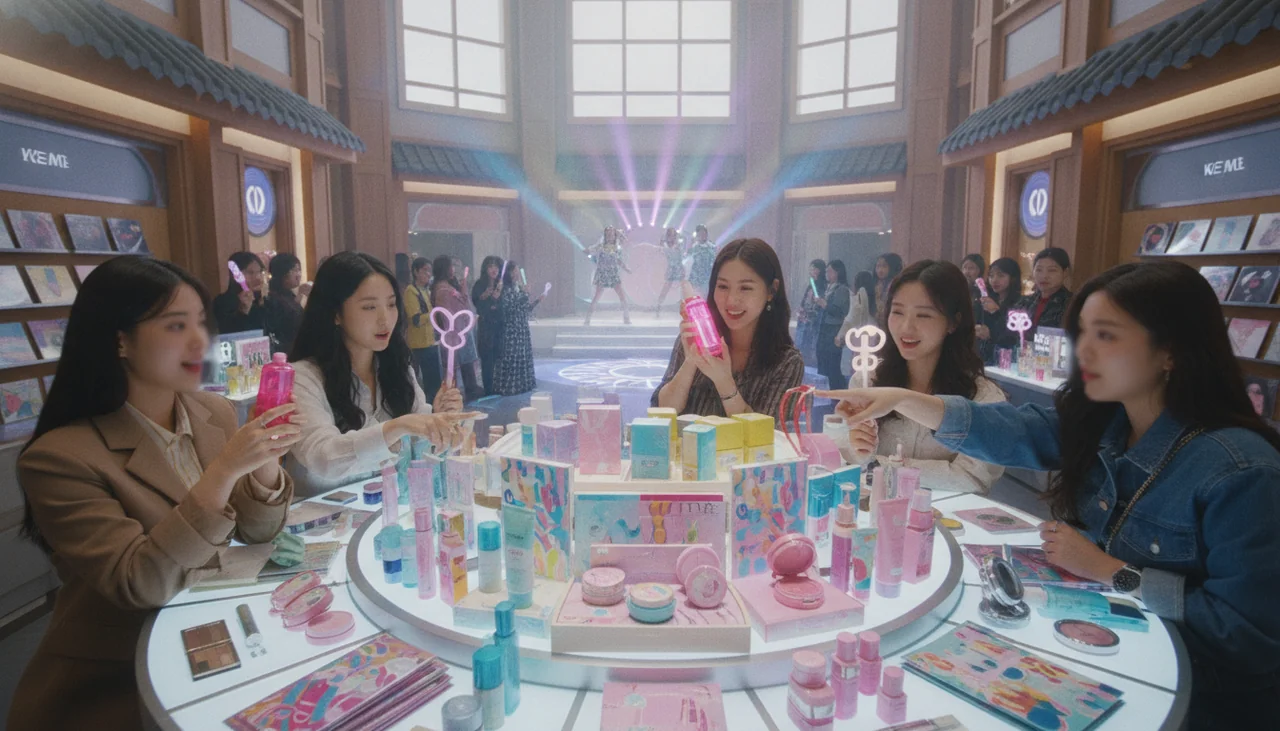
This global expansion isn’t limited to music. K-beauty, a long-time companion to K-pop, is experiencing its “2nd boom,” as reported by News Focus on June 17, 2026. What’s truly remarkable is that in 2025, the U.S. “became South Korea’s top market” for K-beauty products. This cross-cultural appeal means K-pop acts often serve as ambassadors not just for music, but for a whole lifestyle, further integrating Korean culture into the global mainstream. It’s fascinating to see how a single comeback can now spark interest in everything from skincare routines to traditional Korean fashion elements. The Hallyu wave is no longer just a wave; it’s a full-blown ocean current.
CORTIS’s ‘GREENGREEN’ Success and New Market Horizons
While we celebrate the global giants, the rise of newer or less established groups is always thrilling. One group that’s been making serious waves recently is CORTIS. Their second mini-album, ‘GREENGREEN,’ released earlier this year, has absolutely exploded! According to the Recording Industry Association of Japan (RIJA) on June 10, 2026, ‘GREENGREEN’ has achieved incredible popularity not just in Korea, but also in Japan and the U.S. The album’s sales figure is “more than five times that of the previous work” and impressively ranks “second among K-pop albums released” in Japan for that period. This is a monumental achievement for any group, let alone one that’s navigating the competitive landscape of K-pop.
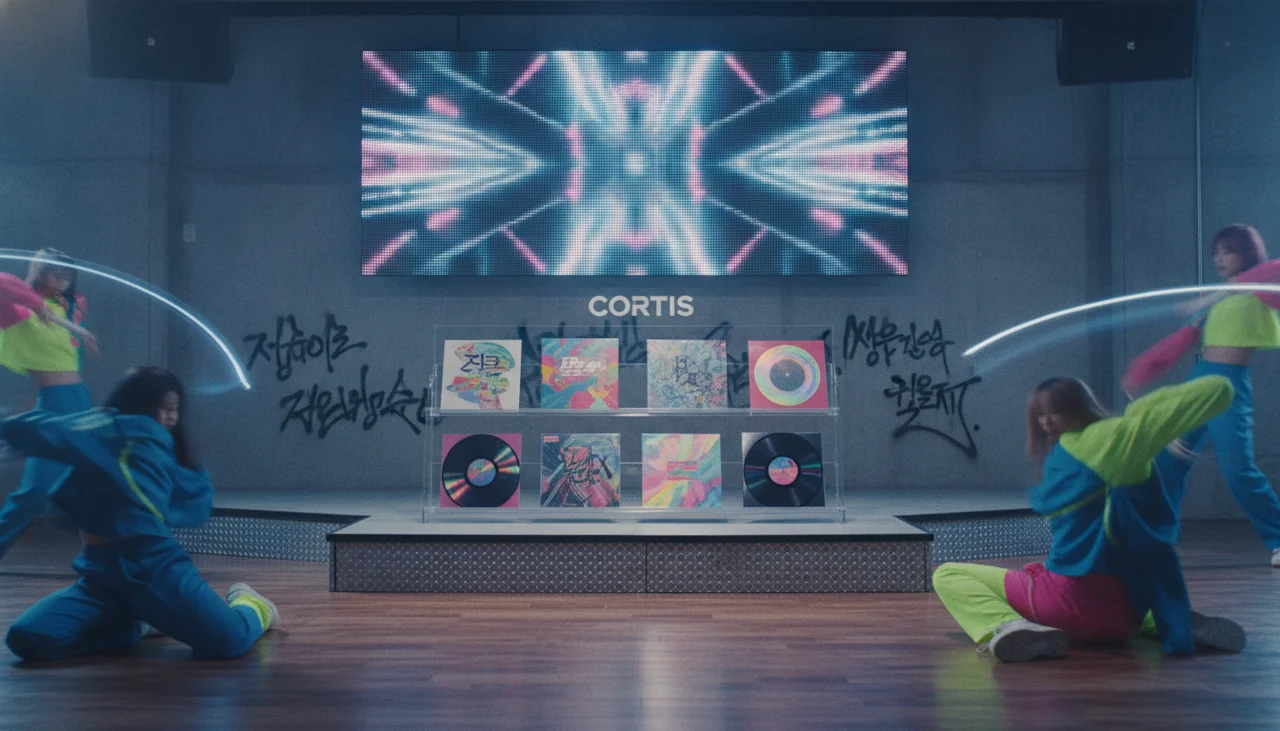
CORTIS’s success is a testament to the power of a strong concept, compelling music, and smart global outreach. It also highlights the growing importance of regional markets beyond just the traditional Big 3. And speaking of markets, the K-pop industry is eyeing a potentially massive one: China. Back on November 3, 2025, CNBC reported that “K-pop prospects brighten on China market hopes as Seoul and Beijing sign content exchange deal.” This deal could unlock unprecedented opportunities, allowing more groups to engage with Chinese fans directly, potentially leading to new concert tours and promotional activities. Imagine the impact if groups could regularly hold fan-sign events and comebacks in such a vast market! This could be a game-changer for many agencies and artists looking to broaden their reach.
AI, Animation, and the Future of K-Culture
The integration of technology, particularly Artificial Intelligence, into K-culture is no longer a futuristic concept—it’s happening now. K-Culture Dive AI News highlighted on June 12, 2026, the increasing collaboration between the animation industry and AI studio executives, even linking it to major K-pop concerts. This suggests a future where K-pop content could be enhanced by AI-driven animation, virtual idols, or even personalized fan experiences. Envision AI-generated fancams or interactive concert experiences that respond to individual fan cheers!
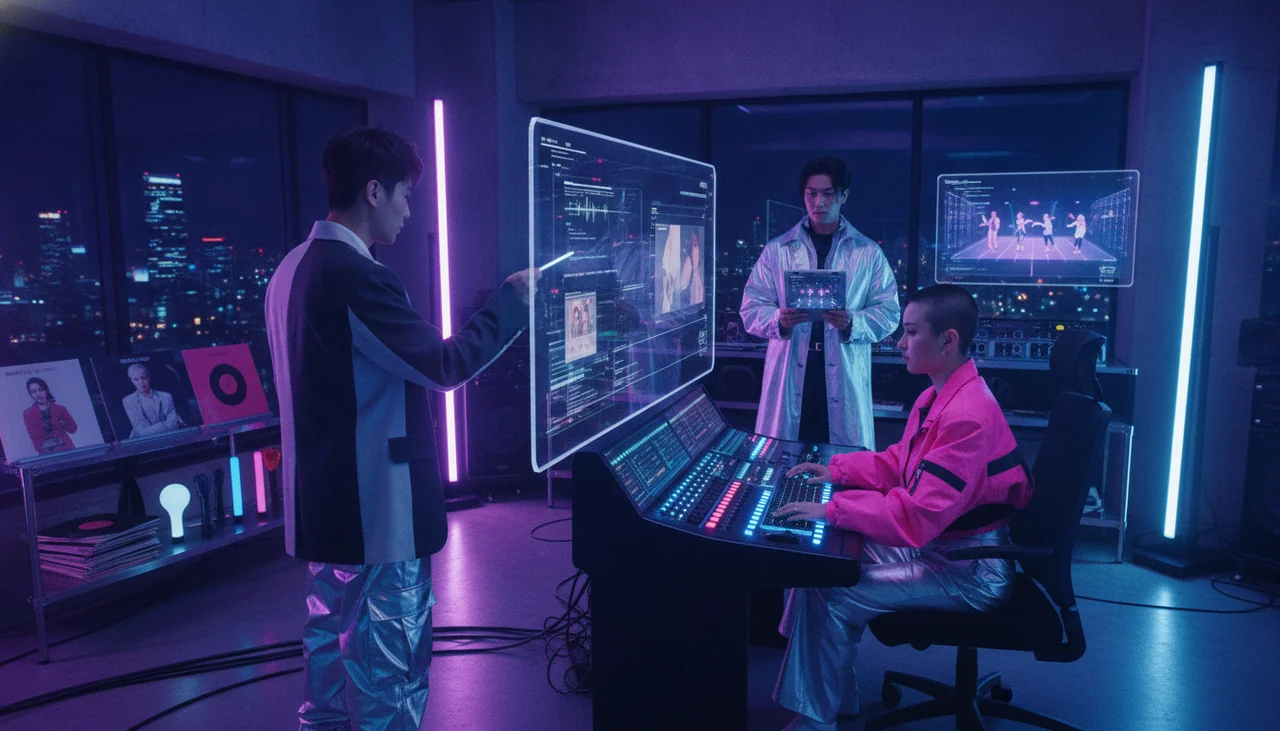
South Korea is rapidly positioning itself as a key AI hub, as reported by Chung Hye-lim on June 11, 2026, noting its “cultural influence” including K-pop. This synergy means K-pop isn’t just a cultural export; it’s also a proving ground for cutting-edge technology. We saw a glimpse of this at VivaTech 2026, where the Seoul Pavilion showcased innovative AI applications. This blend of tech and entertainment could lead to entirely new forms of content, pushing the boundaries of what a “comeback” or a “lightstick” experience could be. Imagine AI-powered lightsticks reacting in real-time to your favorite bias’s movements on stage, creating an even more immersive experience!
Practical Tip for Fans: Keep an eye on official artist social media and Weverse announcements for any experimental content involving AI or new tech. Participating in surveys or beta tests can give you an early peek into the future of K-pop interaction!
Navigating the Industry’s Evolving Landscape
It’s not all smooth sailing, of course. The K-pop industry, like any rapidly growing sector, faces its share of challenges. Lifestyle.INQ posed a critical question on April 24, 2026: “Why is everyone leaving their K-pop groups?” This trend, while concerning, is part of a larger industry evolution. It speaks to the pressures artists face, the changing dynamics of contracts, and perhaps a growing desire for individual artistic freedom. This isn’t unique to K-pop; the Guardian warned on December 28, 2025, about a “Korean film crisis” and noted “why K-pop isn’t immune.” The industry is constantly adapting to ensure sustainability for its artists and companies.
The sheer intensity of the K-pop machine, with its relentless comeback schedules and global touring demands, can take a toll. This is where the power dynamics of overseas fans, mentioned earlier, become even more crucial. Their voices, often amplified through social media and organized fan campaigns, can advocate for artist well-being, better treatment, and more transparent practices. It’s a delicate balance, but one that’s actively being negotiated.
Fandom Power: Beyond the Lightstick
Fandoms have always been the backbone of K-pop, but their influence in 2026 is unparalleled. It’s more than just streaming parties and buying multiple album versions for chart positions. As Asia News Network pointed out, the “wealthier overseas fans” are reshaping power dynamics. This means fandoms are not just consumers; they are active stakeholders, influencing everything from the creative direction (through feedback on MVs and concepts) to the commercial success of groups. The collective power of a fandom can push a song onto the Billboard Hot 100 or secure a daesang for their beloved artists.
The engagement is deeper, too. Fans connect on Weverse, organize global fan projects, and create content that further amplifies their chosen group’s reach. This passionate engagement is what keeps the industry thriving, but it also comes with responsibilities. We’ve seen discussions around ethical fan behavior, especially regarding issues like sasaeng activities, which continue to be a challenge. The emphasis is increasingly on creating a supportive, positive environment for artists and fellow fans alike.
Practical Tip for Fandoms: Engage respectfully! Use official channels like Weverse for direct artist interaction and official fan communities for discussions. Participate in official streaming and voting campaigns, but always prioritize the artist’s well-being and a positive fan culture. Remember, every positive interaction strengthens the community.
Quick Summary
2026 is seeing K-pop solidify its global presence, with overseas fans and markets playing an increasingly critical role. The success of acts like CORTIS demonstrates the genre’s expanding reach beyond established players, while new deals hint at major market opportunities like China. Technology, especially AI, is rapidly integrating into K-culture, promising innovative content and fan experiences. However, the industry also navigates challenges such as artist departures, requiring constant adaptation and a strong, ethical fandom to support its growth.
Found this helpful? Bookmark us! ⭐