July 2026 has been nothing short of a whirlwind, proving once again that the K-pop calendar never truly takes a summer break. Instead, we’re witnessing a fascinating blend of established acts making calculated returns and emerging artists fighting tooth and nail for their moment in the spotlight. This month isn’t just about new music; it’s about strategic power plays, independent ambition, and the sheer grit it takes to stand out in an increasingly globalized industry. From high-profile solo debuts to groups navigating the post-Grammy pressure, the July 2026 comeback landscape is a masterclass in K-pop evolution.
The Solo Power Play: Mark’s Bold New Chapter
One of the most anticipated narratives of July 2026 has been the potential solo debut of Mark, formerly of NCT. Following his departure from both the boy band and SM Entertainment just one month prior, as reported on May 12, 2026, speculation has been rife about his next move. The K-pop industry is buzzing with the prospect of Mark eyeing a US solo career, a bold step that could redefine the trajectory for idols transitioning from established groups. This isn’t merely a comeback; it’s a strategic re-introduction of an artist with a proven track record, now operating under his own creative vision.
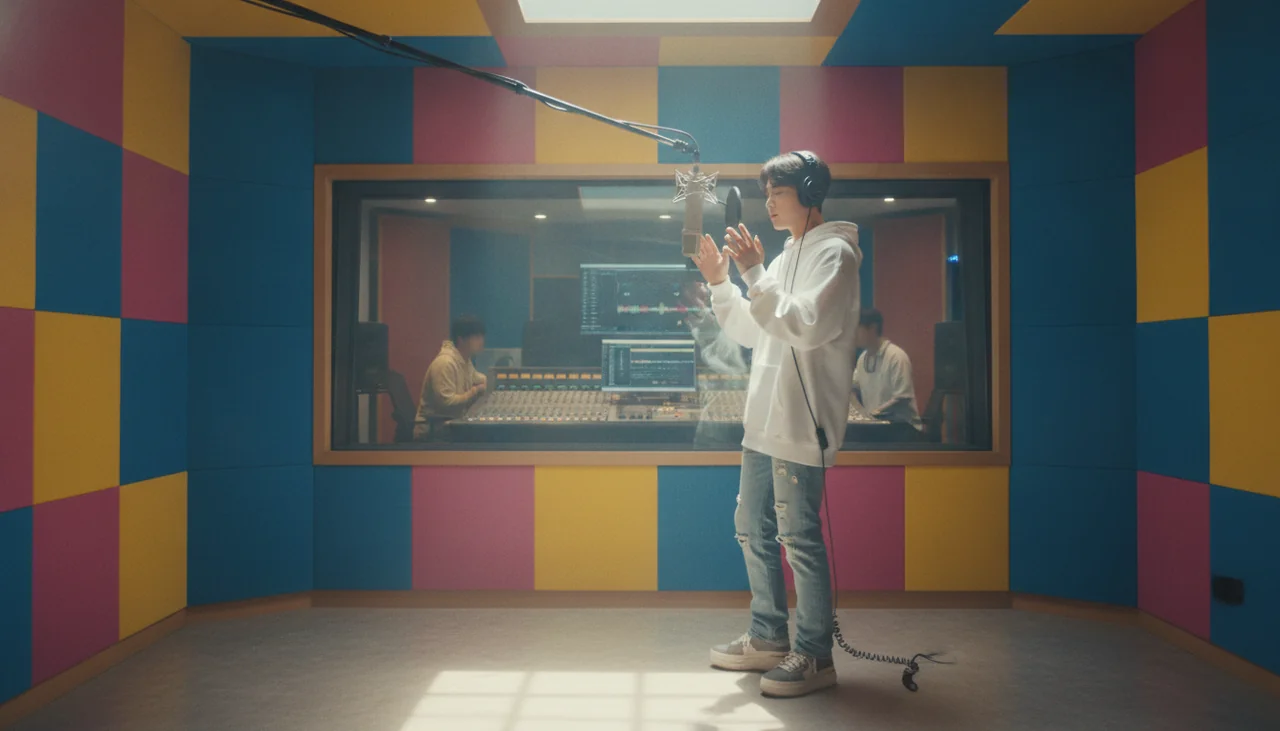
For fans, the excitement is palpable. An artist like Mark, with his established fanbase and distinct rap style, holds immense potential to carve out a unique niche. The challenge, of course, lies in replicating the robust promotional machinery of a major label independently. Yet, the industry has seen a growing trend of artists taking more control over their careers. Executives from major labels are closely following high-profile artists on social media, indicating a shift in how talent is scouted and supported, even outside traditional structures, as noted in the May 12, 2026 report. Should Mark drop a solo track this July, it would be a powerful statement on artistic autonomy and a test of fandom loyalty in a new era. We’re all watching to see if his potential July release can capture the global attention necessary to launch a successful US-focused career, setting a precedent for future soloists.
Independent Spirit, Global Reach: Jennie’s Blueprint for July
Speaking of artistic autonomy, Jennie of Blackpink continues to be a pioneering force, and her independent endeavors offer a compelling blueprint for how artists approach comebacks in 2026. While not explicitly announcing a July comeback, her influence reverberates through the industry, shaping the expectations for what independent artists can achieve. In 2025, Jennie founded OA Entertainment, which quickly proved to be a financial success, generating 5 billion won in cost of sales for the company, as detailed in an audit report cited on May 10, 2026. By May 2026, she had already taken home an astonishing 20 billion won from her self-founded enterprise.

This level of financial and creative independence allows artists like Jennie unparalleled freedom in choosing their comeback timing, concepts, and promotional strategies. Her established profile across North America and Europe, coupled with her recognition as the only K-pop artist named to TIME’s influential list, positions her as a global powerhouse. For any artist contemplating a July 2026 comeback, Jennie’s success with OA Entertainment serves as a powerful reminder that strategic independence can lead to both commercial triumph and artistic fulfillment. We can anticipate that future comebacks, whether from Jennie herself or others inspired by her path, will leverage this newfound control to craft releases that resonate deeply with both domestic and international audiences, free from traditional constraints.
Breakthroughs and Sustaining Momentum: July’s Challengers
The K-pop landscape is incredibly competitive, and while breakthroughs are celebrated, sustaining that momentum is the true test. We saw this with groups like Rescene, who achieved a rare K-pop breakthrough, hitting the top 100 in March 2025. However, as the July 14, 2026 article highlighted, “After falling off the chart, it…” This illustrates the brutal reality that a single chart success doesn’t guarantee long-term stability. The industry demands consistent quality and innovative engagement. Rescene’s story, which involved two years and 1,500 videos to gain traction, underscores the immense effort required simply to get noticed.
For groups making a July 2026 comeback, the pressure to not only break through but to stay relevant is immense. This is especially true for groups like Illit and aespa, who faced off for ‘K-Pop Artist’ Honors at the American Music Awards in April 2026, according to 매일경제. While a nomination is a huge win, it also raises the stakes for their subsequent releases. A July comeback for either of these groups would be under intense scrutiny, as they aim to solidify their global presence and demonstrate their artistic growth post-awards season. The battle for chart positions on platforms like Melon and Gaon is fierce, and fan engagement through streaming and social media is critical. These groups need to learn from past examples like Rescene and implement robust, multi-faceted strategies beyond just the music to ensure their July comebacks have lasting impact.
The Grammy Effect: Golden and Ateez’s High Stakes
Global recognition, particularly from prestigious awards like the Grammys, significantly raises the bar for K-pop artists. Golden, for instance, lifted K-pop’s profile at the Grammy Awards in February 2026, as reported by KED Global. This kind of international acknowledgment brings immense pride but also unprecedented pressure for subsequent releases. A July 2026 comeback from a group like Golden would be met with sky-high expectations, both artistically and commercially. Fans and critics alike would be looking for an evolution in their sound, lyrical depth, and overall production quality that justifies their global acclaim.
Similarly, Ateez, after chart-topping records, a hit tour, and a featured slot on ‘KPopped’ in September 2025, was already “looking for a Grammy breakthrough,” according to Gold Derby. For a group aiming for such high honors, a July 2026 comeback would be a pivotal moment. Their music, concepts, and even their promotional strategies would likely be tailored to appeal to a broader international audience while maintaining their core identity. The choice of lead single, the visual aesthetics of the music video, and the global promotional tour plans would all be meticulously crafted to further their Grammy ambitions. The challenge for these groups is to continue innovating without alienating their established fanbase, while also captivating new listeners drawn in by their global achievements.
Fandom’s Role in a Packed Month: Mobilizing for Success
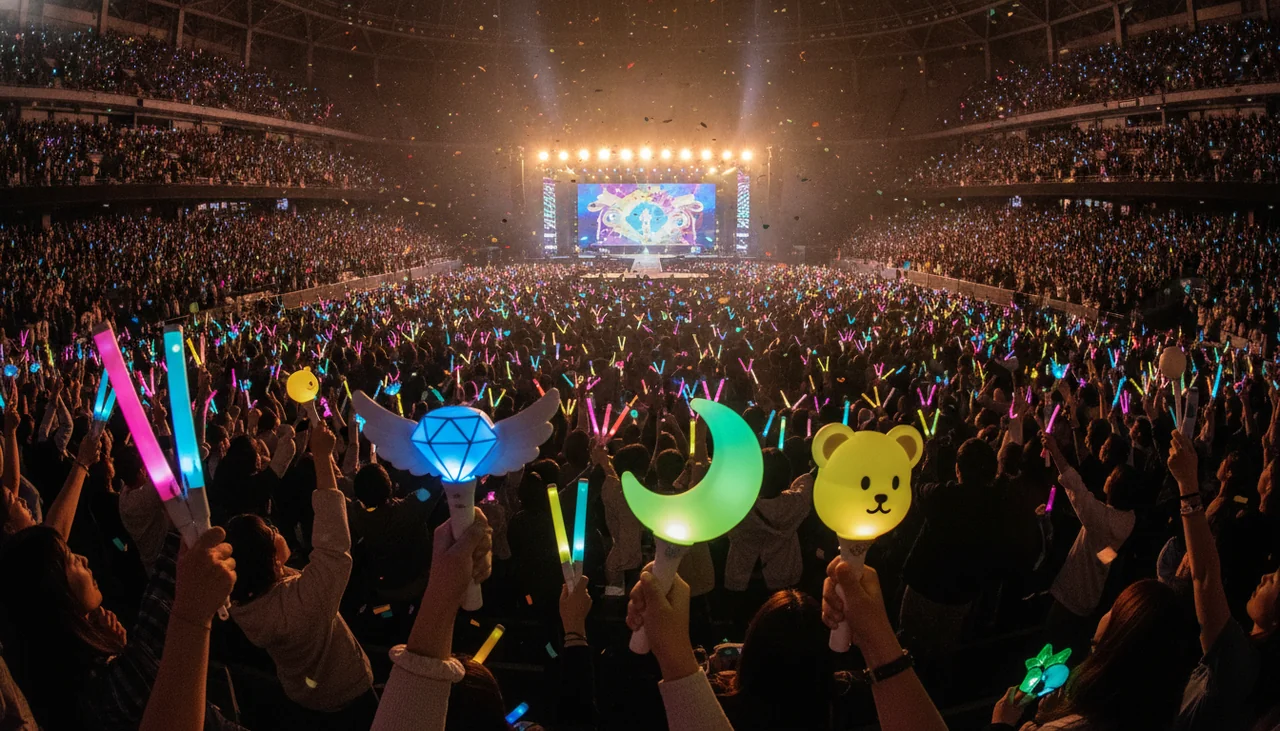
Behind every successful comeback, whether in July 2026 or any other month, is the unwavering dedication of the fandom. In a month as packed as July, fan mobilization becomes even more critical. From the moment comeback teasers drop, fandoms spring into action, coordinating streaming parties, mass buying albums, and driving social media trends. The use of official lightsticks at fan events or even just in living rooms, creating a unified sea of color, has become an iconic part of the K-pop experience, symbolizing collective support.
Platforms like Weverse have become central hubs for artists to connect directly with fans, sharing behind-the-scenes content and building anticipation. This direct line allows for swift communication regarding comeback schedules, fan events, and streaming goals. For July 2026 comebacks, the competition for chart positions on Melon and Gaon, and global charts like Billboard Hot 100, is intense. Fandoms meticulously plan their strategies to ensure their idols not only debut high but also maintain strong positions. This collective effort, fueled by passion and organization, can make or break a comeback’s immediate success. Practical tip for fellow fans: Keep an eye on your fandom’s official streaming guides and social media tags for concerted efforts to support your favorite July comeback artists!
—
Quick Summary
July 2026 has showcased a dynamic K-pop landscape defined by strategic solo ventures (like Mark’s anticipated debut), the empowering success of independent artists (following Jennie’s OA Entertainment model), the intense pressure on groups to sustain breakthroughs (highlighted by Rescene’s journey and groups like Illit/aespa), and the elevated stakes for globally recognized acts (such as Golden and Ateez post-Grammy recognition). Fandom power remains the bedrock of success, meticulously supporting artists through every stage of their comebacks.
Found this helpful? Bookmark us! ⭐