It often starts with a single word, a phrase that catches in your mind and refuses to let go. Maybe you were listening to a ballad on a rainy afternoon and heard the heart-wrenching ache of “*bogoshipda*” (I miss you) for the first time. Or perhaps it was the triumphant, energetic shout of “*daebak*” (awesome!) in a high-energy dance track. You pause the song, open a new tab, and type it into a translator. And just like that, a locked door you didn’t even know was there suddenly swings open. This is the moment for so many of us when K-pop transforms from just music into a vibrant, living key to an entire culture.
The First Syllable: Your K-pop Language Primer
Before you ever download a language app or buy a textbook, K-pop has already begun teaching you Korean. Think of it as the most engaging and emotionally resonant language class in the world, one where the curriculum is set by your favorite artists. This isn’t a new phenomenon, but its scale is unprecedented. When groups like SEVENTEEN or Stray Kids go live on Weverse, mixing effortless Korean with endearing English phrases, they are creating a bridge for millions of international fans. They’re not just performing; they’re communicating, making you part of the conversation. This organic exposure demystifies the language, turning intimidating new sounds into familiar refrains. The constant repetition of hooks and choruses acts as a natural form of spaced repetition, drilling vocabulary into your memory until you find yourself humming Korean phrases while doing the dishes. According to a 2022 Duolingo report, Korean is the seventh most popular language to study on their platform globally, a surge driven in no small part by the Hallyu wave, with K-pop as its unstoppable flagship.
Beyond the Lyrics: A Full Cultural Immersion
Once the door to the language is ajar, you quickly realize it leads into a space much larger than just music. It leads directly to the dining table. You’re watching a behind-the-scenes clip, and after a grueling dance practice, a member of ATEEZ joyfully exclaims they’re going to eat *samgyeopsal* (grilled pork belly). Suddenly, that word isn’t just a subtitle; it’s a craving. You start noticing the food in every variety show, from the comforting steam rising off a bowl of *ramyeon* in a late-night hotel room to the communal joy of a team sharing Korean fried chicken. This curiosity propels you out of your home and into your local Koreatown, searching for that same authentic taste. The sizzling sound of meat on a grill, the sharp, fermented tang of kimchi, the clinking of metal chopsticks—these sensory details, first introduced on your screen, become real, tangible experiences. You learn to say “*juseyo*” (please give me) not because a textbook told you to, but because you genuinely want to order another plate of those incredible *mandu* (dumplings).
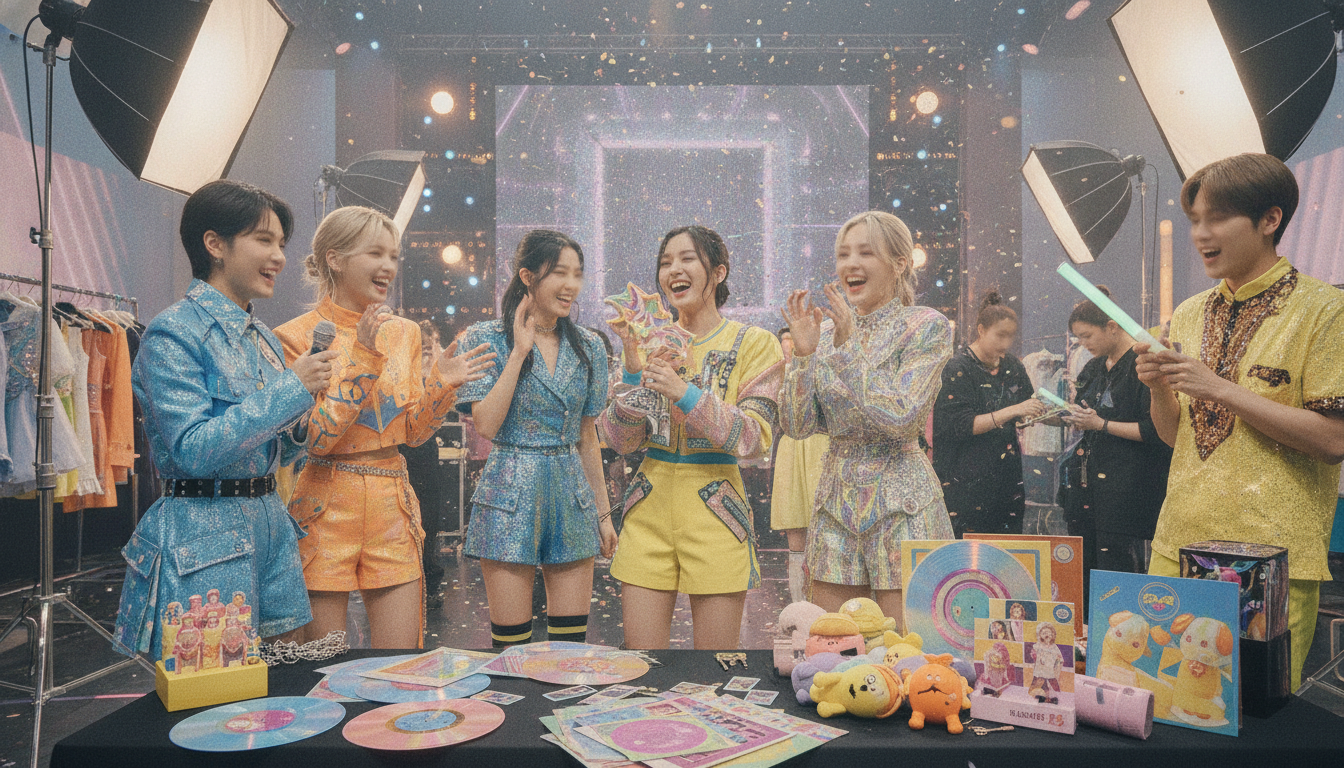
From the dinner table, the path naturally winds into the world of fashion. An idol’s airport departure becomes a runway show, their every choice scrutinized and celebrated by fans online. When you see Jisoo from BLACKPINK in a classic, perfectly tailored coat or Yeonjun from TXT rocking an avant-garde streetwear look, it sparks more than just appreciation. It creates a desire to understand the aesthetic. You begin to recognize the names of Korean designers and the unique silhouettes popular in Seoul. Soon, you’re not just admiring the clothes; you’re exploring the fashion districts in your imagination, picturing the vibrant energy of Hongdae, with its indie boutiques and youthful trends, or the polished luxury of Apgujeong. You learn that a certain style isn’t just “cool,” it’s part of a cultural conversation about identity, confidence, and artistry. This visual language becomes another dialect you learn to speak, connecting what you see in a music video to the broader trends shaping modern Korean identity.
This journey inevitably leads to the ultimate destination: Korea itself. K-pop music videos are some of the most beautiful travel brochures ever created. A sweeping drone shot over the volcanic landscapes of Jeju Island in one group’s comeback trailer or the stunning juxtaposition of ancient palace architecture and modern choreography in another can plant a seed of wanderlust that’s impossible to ignore. Fans begin planning entire vacations around visiting iconic music video locations, cafes owned by idols’ families, or even the former headquarters of their favorite entertainment companies. According to a 2019 survey by the Korea Tourism Organization, an incredible 13.7% of foreign tourists stated that their primary reason for visiting South Korea was BTS. Learning Korean shifts from a hobby to a practical tool for this pilgrimage. You practice phrases for navigating the Seoul subway, for ordering coffee, and for respectfully asking for directions, all in the hope of making your dream trip smoother and more immersive.
Finally, and perhaps most importantly, learning the language deepens your connection to the fandom and the artists themselves. It’s a bit like upgrading your concert ticket. At first, you enjoy the show from a distance, relying on fan translators for subtitles on live streams that appear hours or days later. But as your skills grow, you find yourself moving closer. You can catch the jokes and heartfelt comments from your *bias* (favorite member) in real-time during a YouTube Live. You can read their handwritten letters on fan community platforms without waiting for a translation, feeling the directness and sincerity of their words. You can even participate in a *fan chant* (a synchronized cheer fans yell during specific song lines) with more confidence, your voice joining a global chorus that transcends borders. This shared language builds a more profound sense of community, transforming passive consumption into active, meaningful participation. You’re no longer just a listener; you’re part of the inner circle.
More Than a Hobby, It’s a Global Bridge
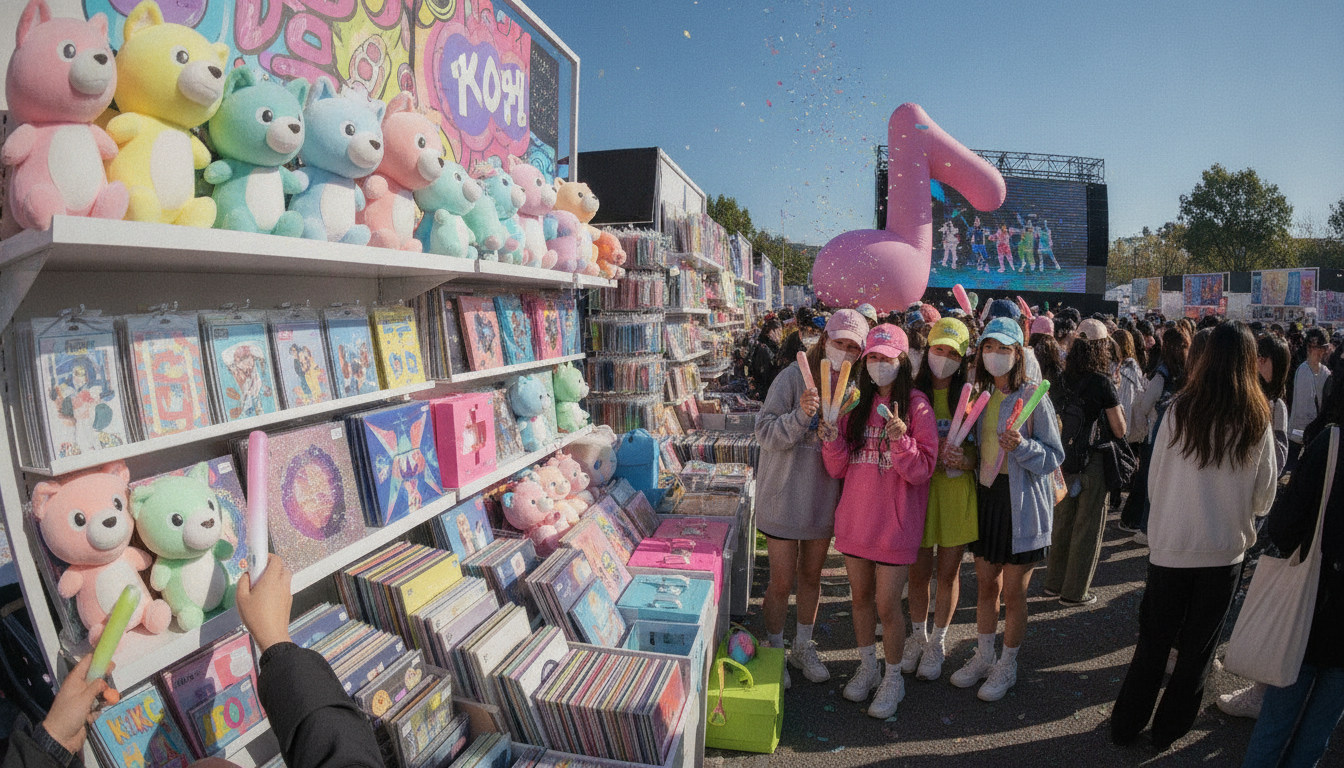
What begins with a catchy chorus evolves into a powerful instrument of cultural diplomacy. This global interest in learning Korean, sparked by pop music, has a staggering real-world impact. It fosters a generation of people around the world who are not only familiar with Korean entertainment but are also deeply invested in its language, history, and social nuances. This is the very definition of soft power. Before the pandemic, the Hyundai Research Institute estimated that the group BTS alone contributed over $4.65 billion to South Korea’s economy *annually*. That figure represents everything from album sales and concert tickets to the ripple effect on tourism, food exports, and fashion. K-pop has created a global ecosystem where culture and commerce are intrinsically linked, all powered by the emotional connection fans feel to the music and the artists who create it.
Start Your Own Journey
If you’re ready to move beyond simply listening, the best place to start isn’t a grammar book but a variety show. Pick your favorite group and find their flagship reality or game show, something like “Going Seventeen” or “Run BTS!”. Watching the members interact, play games, and travel together provides invaluable context that makes learning new words intuitive and fun. The visual cues and genuine laughter will help you absorb the language naturally, turning what could be a chore into one of the most rewarding parts of being a fan.