It starts with a melody you can’t get out of your head. You’re humming it on your way to work, tapping the beat out on your desk, and before you know it, you’re looking up the lyrics. The English translation is there, but it feels like a shadow of the real thing. You find yourself mouthing the Korean words, the sounds still foreign but thrilling, and a tiny, persistent question sparks in your mind: “What if I could actually understand this?” This is the moment the magic happens—the moment a simple song becomes a doorway, and K-pop transforms from a playlist into a passport to an entire culture.
The Hallyu Ripple Effect
This journey isn’t new, but its intensity is. The phenomenon known as Hallyu (the Korean Wave) has been building for decades, first gaining international traction with heartfelt dramas and films. Yet, in the last fifteen years, K-pop has become its undeniable engine, a high-octane force of nature reshaping global pop culture in its image. Think of it like a cultural ripple effect. What started with the boundary-breaking sound of groups like Seo Taiji and Boys in 1992 has evolved into a multi-billion dollar industry. Today, artists sell out stadiums from Los Angeles to Paris, and their album releases are global events. When a top-tier group announces a comeback (a promotional period for a new release), the entire internet seems to hold its breath. This isn’t just about music anymore; it’s a meticulously crafted universe of sound, visuals, and personality that invites you to do more than just listen—it invites you to participate.
Your K-pop Passport to Seoul
This invitation is where the real adventure begins, as the threads of K-pop start to weave themselves into the fabric of your own life. The first and most profound connection for many fans is the Korean language itself. Suddenly, learning Hangul (the Korean alphabet) doesn’t feel like a daunting academic task; it feels like cracking a code to get closer to your favorite artists. You begin to pick up words organically from lyrics and variety show clips: the essential *annyeonghaseyo* (hello), the heartfelt *saranghae* (I love you), and the playful *aegyo* (a cute display of affection). Soon you’re graduating to more complex phrases you hear in V-LIVE streams or behind-the-scenes footage, understanding the casual banter between group members. For longtime fans, this might feel like slowly tuning a radio until the static clears and a beautiful, clear voice comes through. It’s no coincidence that language-learning platforms have seen a massive surge in Korean learners. A 2023 report from Duolingo, for instance, listed Korean as the sixth most-studied language globally, with a significant portion of users citing pop culture as their primary motivation. The intricate wordplay in a rap verse or the poetic sorrow of a ballad becomes your most engaging textbook.
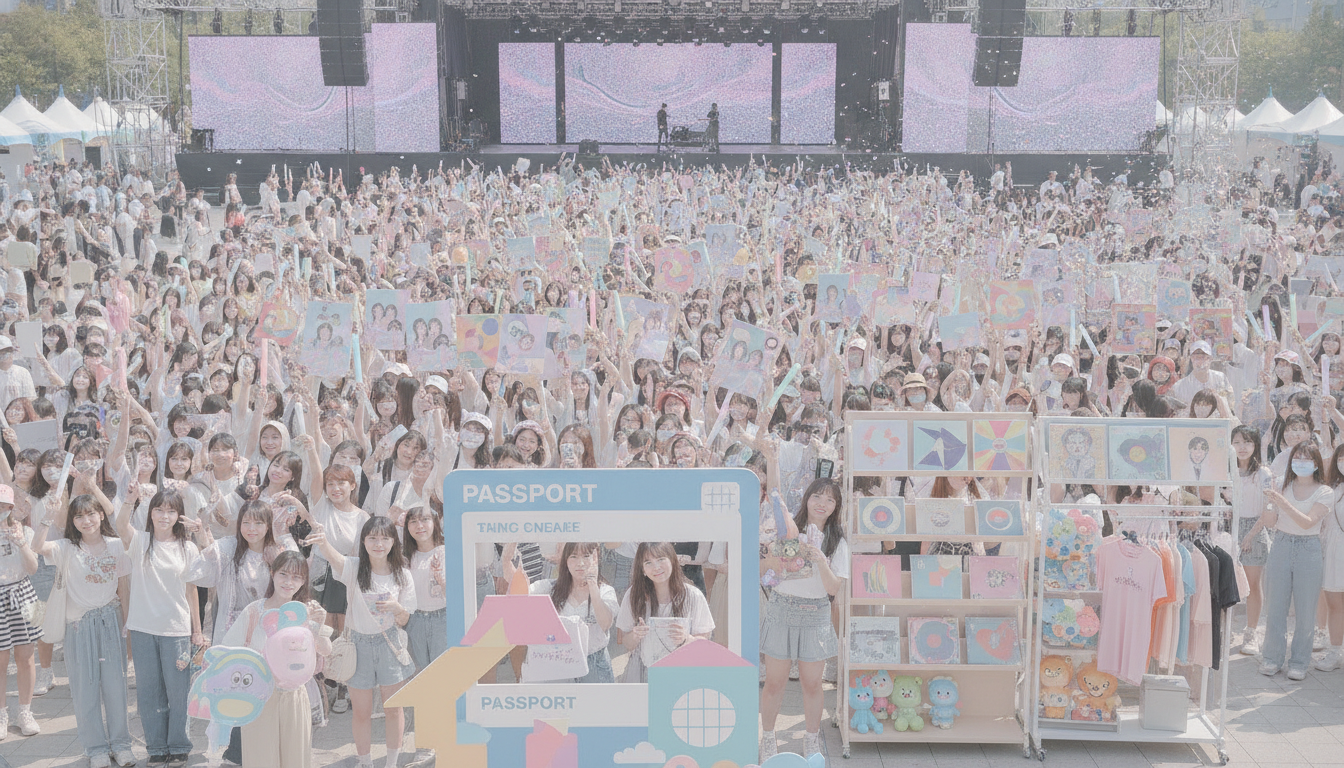
From the sounds of the language, the journey naturally extends to the tastes of the culture. You watch a group celebrate a music show win by crowding around a table, grilling sizzling strips of *samgyeopsal* (pork belly), and suddenly you’re searching for the nearest Korean BBQ restaurant. An idol’s casual mention of their love for *jajangmyeon* (black bean noodles) in an interview sends thousands of fans on a quest to try it for themselves. These moments are more powerful than any formal advertisement because they feel authentic and joyous. You see the communal aspect of Korean dining—the sharing of side dishes, the clinking of glasses, the loud, happy chatter—and you want to experience that warmth. It’s a bit similar to seeing a beloved character in a movie eat a specific dish and feeling an immediate, inexplicable craving. Before you know it, your pantry has a jar of *gochujang* (red chili paste) and you’re attempting to make your own *sundubu-jjigae* (soft tofu stew), all because you saw it in a group’s reality show.
Once your ears and taste buds are immersed, your eyes are next. K-pop fashion is a spectacle in its own right, a dynamic blend of high fashion, streetwear, and avant-garde concepts. The airport has become an unofficial runway, with fans eagerly dissecting every idol’s “airport fashion” look, from the designer handbag to the effortlessly cool sneakers. This visual influence is immense. You might find yourself drawn to the oversized silhouettes popularized in Seoul’s Hongdae district or saving up for a piece from a Korean brand your favorite artist wore. The industry has taken notice, with major luxury houses like Chanel, Dior, and Louis Vuitton signing K-pop stars as global ambassadors. These partnerships are incredibly effective; according to industry sources, brand engagement among Gen Z consumers has reportedly jumped by over 25% for brands with prominent K-pop ambassadors. The style isn’t just something you admire from afar; it’s accessible and inspiring, encouraging fans to experiment with their own looks and, in doing so, connecting them to the trend-setting streets of Seoul.
Ultimately, all these cultural threads converge on a single destination: a trip to South Korea itself. For many international fans, this is the ultimate pilgrimage, a chance to walk the same streets and breathe the same air as the artists who have inspired them. The trip becomes a real-life scavenger hunt. You might visit the bus stop from a famous album cover, grab a coffee at a café owned by an idol’s family, or wander through the COEX Starfield Library because you saw it in a music video. The experience of attending a live music show taping in Seoul is worlds away from watching it on a screen; the energy is electric, the roar of the fan chants (a synchronized cheer fans yell during specific song lines) is deafening, and the connection feels incredibly real. Tourism data backs this up, with a 2023 survey from the Korea Tourism Organization revealing that over 65% of international visitors cited K-culture as a primary factor in their decision to travel to the country. K-pop provides not just a soundtrack, but a living, breathing itinerary for exploring a nation.
More Than Just a Playlist
What begins with a catchy chorus evolves into a genuine and deep appreciation for a country’s culture. K-pop functions as a powerful form of soft power, creating a global community of people who, despite speaking different languages and living thousands of miles apart, share a common passion. It transforms passive consumption into active engagement. You’re not just listening to a song; you’re learning a language, trying new foods, exploring fashion trends, and planning your next vacation. This cultural exchange is profound, fostering empathy and curiosity in a way that news headlines or textbooks rarely can. It’s a testament to the unifying power of art, demonstrating how a three-minute pop song can build a bridge between continents and inspire a lifelong journey of discovery.
Start Your Cultural Journey
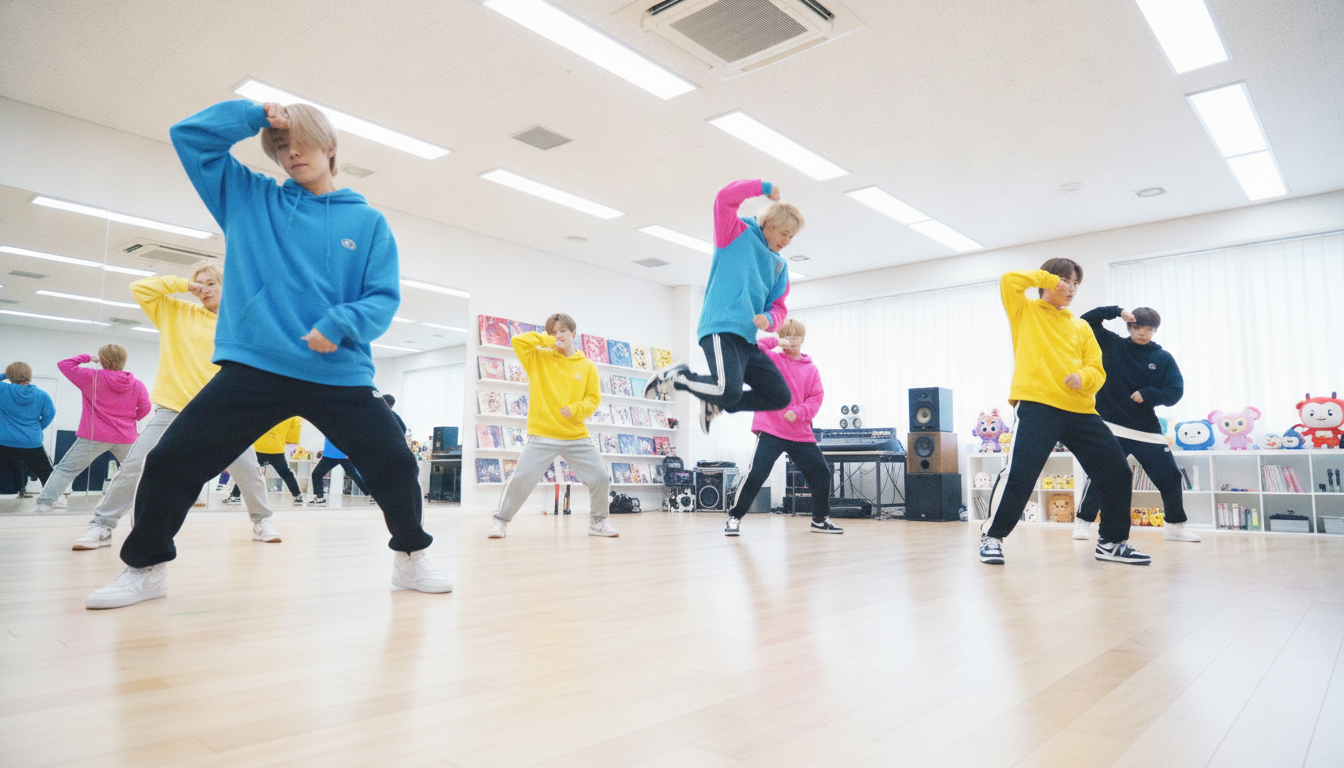
The best way to experience this phenomenon is to see it in action. Don’t just stream the latest title track. Find the accompanying reality show or the “making of” documentary on YouTube for an artist you love. Watch the members of ATEEZ practice their choreography while joking around in *saturi* (a regional dialect), notice the snacks they share during their break, and see the Seoul skyline from their practice room window. This is where the music comes to life, offering a small, vibrant window into the culture that fuels it, waiting for you to press play and step through.