There’s a specific kind of quiet that falls over a stadium just before the show begins. It’s not silence, but a hum of pure potential—tens of thousands of breaths held in unison, the soft glow of ARMY Bombs (the official lightstick) creating a galaxy in the dark. For fans of BTS, this moment is sacred. It’s the precipice before the explosion of music and color, a shared understanding that you’re about to witness more than just a performance. You’re part of a story, a global movement that started against all odds in a small Seoul office and grew to shake the foundations of pop music. Even now, with the members exploring their individual paths, that hum of anticipation feels stronger than ever, promising a reunion that will be less of a return and more of a renaissance.
From Underdogs to Icons
To truly understand the weight of BTS’s journey, you have to go back to 2013. In an industry dominated by the “Big Three” entertainment companies, Big Hit Entertainment was a fledgling label with a dream. When BTS debuted, they were not the polished, sophisticated idols many expected. Instead, RM, Jin, SUGA, j-hope, Jimin, V, and Jungkook crashed onto the scene as the “Bangtan Sonyeondan,” or Bulletproof Boy Scouts, with a raw, aggressive hip-hop sound and a message of defiance. Their debut track, “No More Dream,” was a direct challenge to the societal pressures placed on South Korean youth, questioning a system that demanded conformity over passion. This wasn’t just music; it was a mission statement, establishing them as voices for a generation that often felt voiceless. Their early years were a grind of small venues, relentless practice, and the constant pressure of trying to make a name for themselves in a fiercely competitive landscape. This underdog origin story isn’t just a footnote; it’s the bedrock of their identity and the source of the fierce, protective bond they share with their fandom, ARMY (Adorable Representative M.C. for Youth).
The Evolution of a Universe
The true turning point, the moment when BTS transformed from a promising group into genuine artists, arrived with their *The Most Beautiful Moment in Life* album series, often abbreviated as *HYYH*. This era marked a profound sonic and thematic shift. The hard-edged hip-hop softened, making way for a more melodic, emotionally vulnerable sound that blended pop, R&B, and electronica. It was here that they began to weave intricate, interconnected narratives across their music videos, creating the sprawling “BTS Universe” (BU). Think of it like a cinematic universe, but for music, where every video, photo, and lyric note added a new layer to a complex story of friendship, loss, and growing up. It was with “I NEED U” from this series that they finally clinched their first-ever music show win in 2015, a tearful, unforgettable moment that felt like a validation of their entire struggle. This era taught fans to look deeper, to search for meaning not just in the lyrics but in the symbolism, turning every comeback (a K-pop promotional period for a new release) into a collective experience of theory-crafting and emotional discovery.
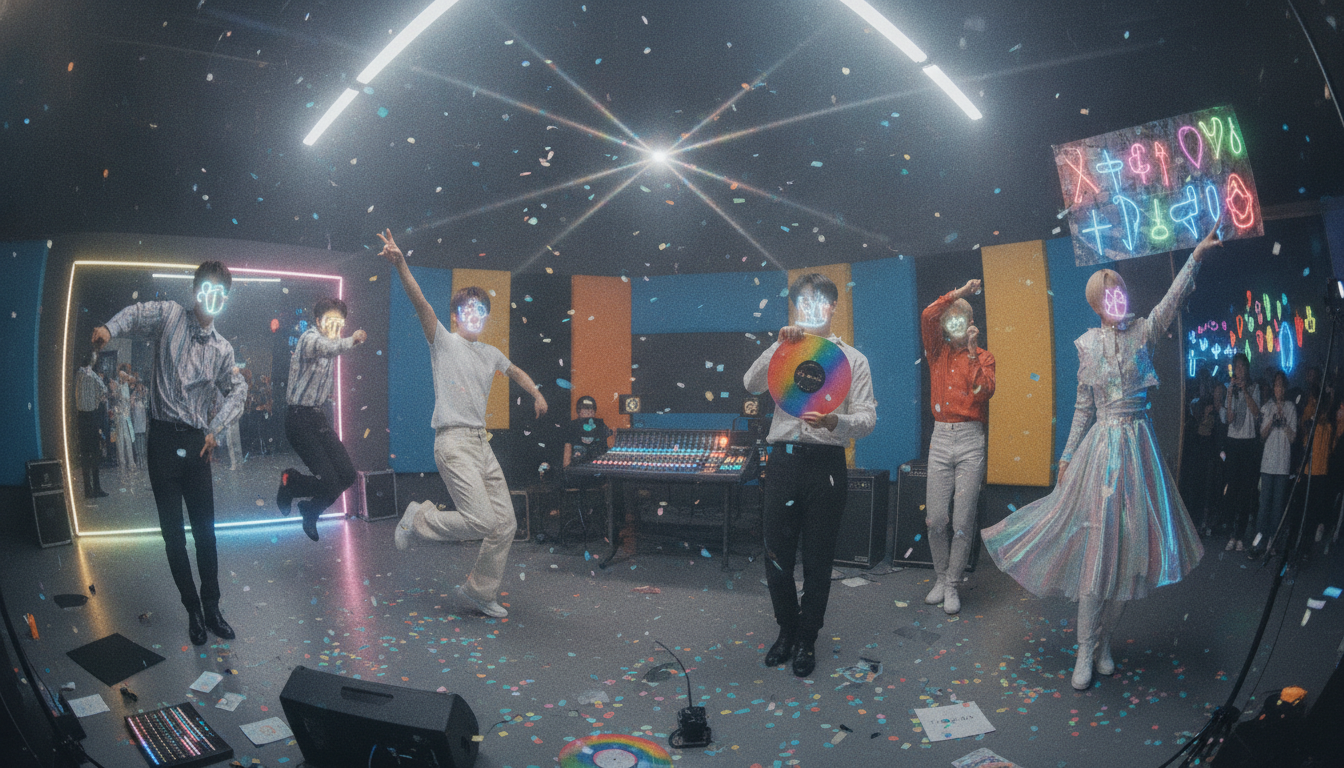
This foundation of introspective storytelling blossomed into their most globally resonant message with the *Love Yourself* series. Launching in 2017, this era was more than just a collection of albums; it was a multi-year campaign of self-acceptance that culminated in a historic speech at the United Nations. With tracks like “DNA,” which broke into the Billboard Hot 100, and the triumphant anthem “IDOL,” BTS began to shatter records. They achieved their first #1 album on the Billboard 200 with *Love Yourself: Tear* in 2018, a first for any Korean act, proving that music in a language other than English could dominate the global stage. The message was simple yet revolutionary: to love others, you must first learn to love yourself. It resonated on a deeply personal level with millions, creating a safe space for conversations about mental health and self-worth. It was during this period that their concerts evolved into massive, sold-out stadium tours, from Wembley in London to the Rose Bowl in Los Angeles, where the sight of nearly 100,000 ARMY Bombs moving in synchronized waves became a powerful symbol of their global reach.
As they reached the zenith of their group activities, they announced “Chapter 2” in 2022, a period dedicated to exploring their individual artistic identities through solo releases. For longtime fans, this might feel like watching a family of artists, who grew up together, finally stepping out to paint their own masterpieces. From j-hope’s rock-infused Lollapalooza headline set and his raw album *Jack In The Box*, to RM’s introspective and jazzy *Indigo*, and Jimin’s sensual R&B on *FACE*, each member revealed new facets of their artistry. The group’s maknae (the youngest member), Jungkook, became a global pop force in his own right, with his single “Seven” smashing records to become the fastest song in Spotify history to reach 1 billion streams. This era isn’t a hiatus in the traditional sense; it’s a deliberate, courageous act of artistic renewal, allowing each member to refill their creative wells and strengthen their individual voices, all in preparation for their eventual, powerful return as a cohesive seven.
Why It Matters
The story of BTS is a paradigm shift in modern music history. They dismantled the long-held industry belief that a non-English-speaking act could never achieve sustained, mainstream success in the West. Their impact isn’t just measured in their staggering statistics—multiple #1 hits, Grammy nominations, and album sales exceeding 40 million units according to some reports—but in their cultural and economic influence. The “BTS Effect” is a recognized phenomenon, referring to their ability to drive tourism, boost brand sales, and contribute billions to the South Korean economy. More importantly, they redefined the relationship between an artist and their fans. ARMY is not a passive audience; they are an active, organized, and powerful force for good, known for mobilizing massive charity drives and matching the group’s donations. BTS proved that authenticity, a consistent message of hope, and a genuine connection with your audience are more powerful than any traditional marketing formula. They didn’t just open the door for K-pop globally; they took the door off its hinges for artists from all over the world.
Listen Now
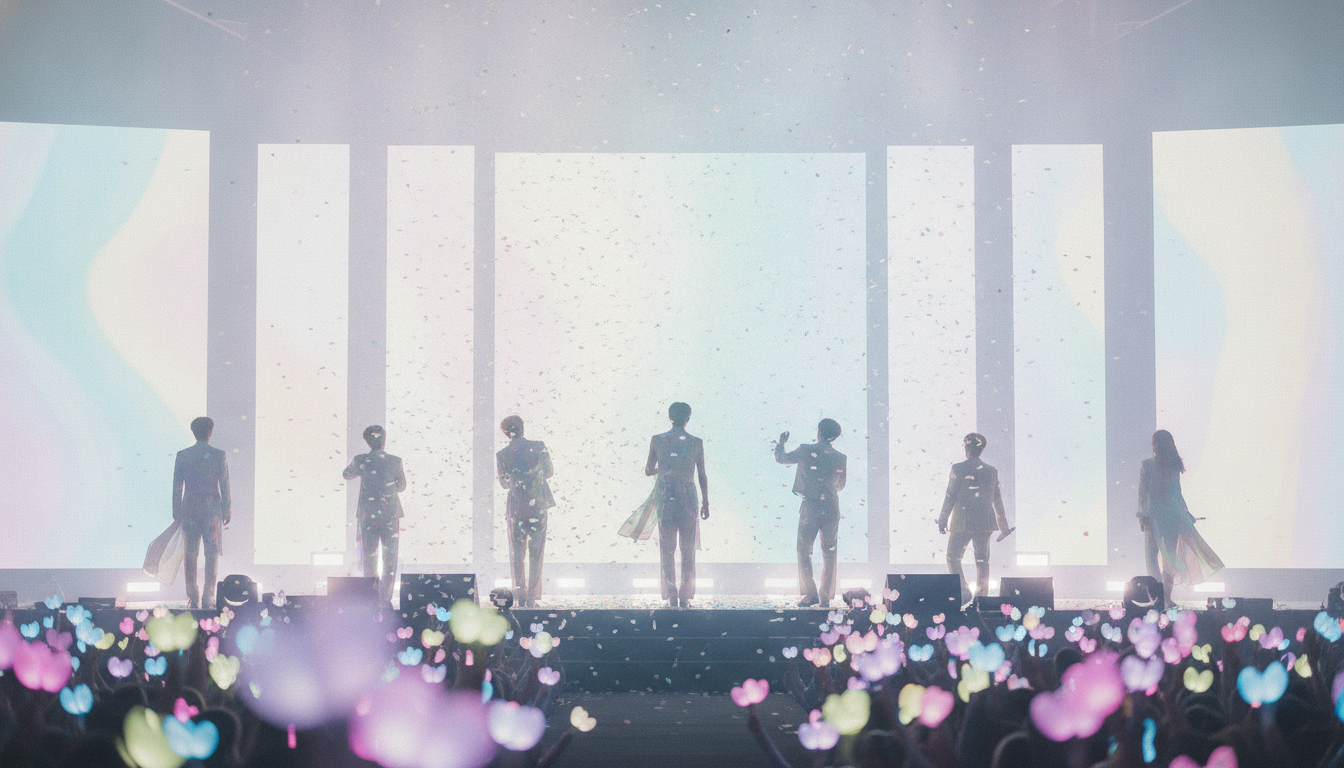
To feel the heart of BTS’s enduring message, there is no better place to start than with their 2017 masterpiece, “Spring Day.” This song is more than just a hit; it’s a cultural touchstone in South Korea and a deeply cherished anthem for ARMY worldwide. Its beautiful, melancholic melody carries a profound message of longing, loss, and the steadfast hope of reunion. Go to YouTube and watch one of their live performances of the song; see the way they look at each other and the ocean of fans singing along, and you will understand everything about the unbreakable bond that defines this once-in-a-generation group.