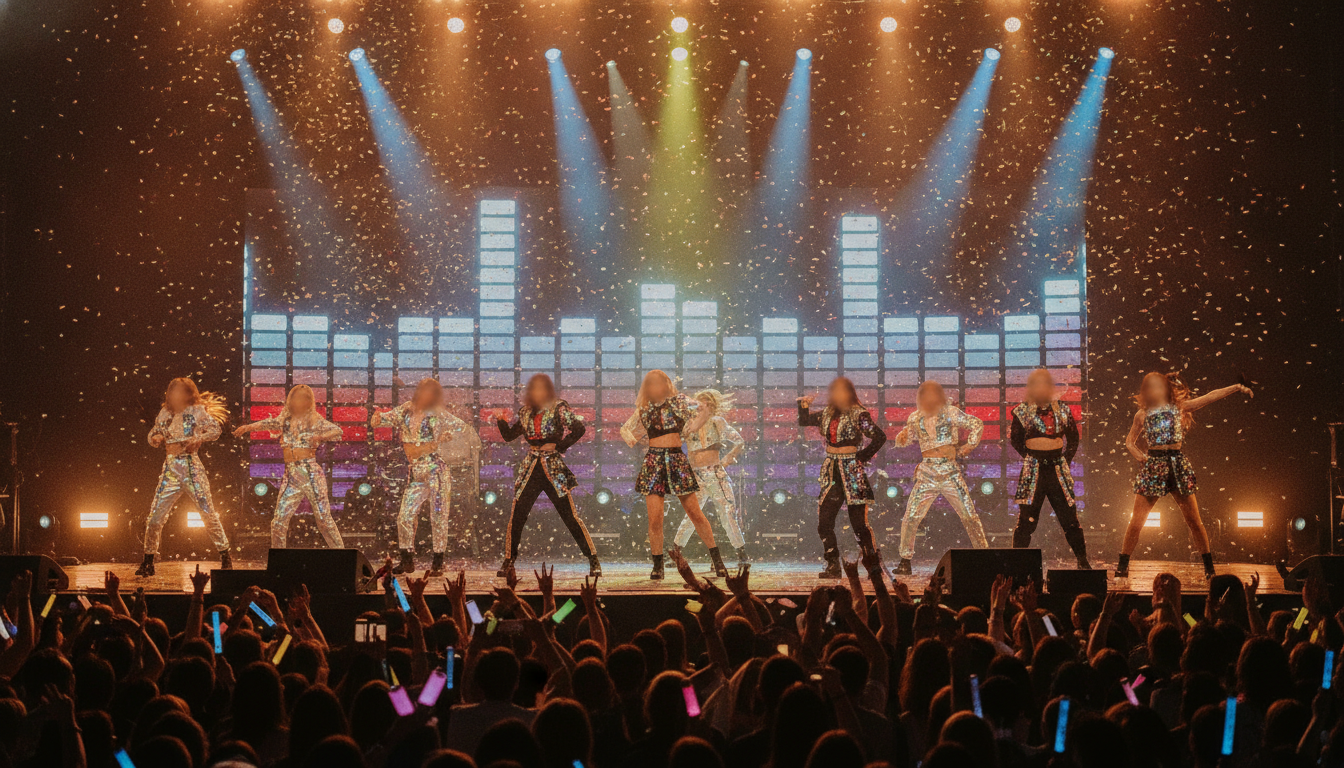
It’s a quiet moment, maybe late at night, when you’re scrolling through your phone. You see their name trend again, not for a new song or a surprise live stream, but for something else entirely. A news clip about a politician promising to build a new stadium just for them. A fan poll where they still rank in the top three, a testament to a global fandom that refuses to hibernate. In these moments, the sheer scale of what BTS created becomes breathtakingly clear. Even during their period of mandatory military service and solo endeavors, the world they built continues to spin, pulling in new fans and shaping conversations far beyond the confines of music charts. It’s a strange and beautiful paradox: a group that is physically apart, yet culturally more present than ever.
The Seven Boys from Seoul
For anyone new to this incredible journey, let’s set the stage. BTS, or Bangtan Sonyeondan (which translates to “Bulletproof Boy Scouts”), debuted in 2013 under a relatively small company, Big Hit Entertainment, now known as HYBE. In an industry dominated by the “Big Three” agencies, they were the underdogs. Their early music was raw, aggressive, and steeped in hip-hop, a stark contrast to the polished pop sound that was prevalent at the time. They wrote about the pressures facing Korean youth, critiquing societal expectations and the relentless education system in songs like “N.O” and “No More Dream.” Their fandom, affectionately named ARMY (Adorable Representative M.C. for Youth), grew not from a massive corporate push, but from a grassroots connection built on relatable lyrics, candid social media engagement, and a powerful sense of shared identity. This wasn’t just a boy band; it was a movement from the very beginning.
What followed was a slow, deliberate, and unprecedented climb to the top. They didn’t explode onto the global scene overnight. It was a journey marked by milestones that felt impossible at the time: winning their first *daesang* (a grand prize at a major Korean music award show), breaking into the Billboard charts, and eventually, selling out stadiums from Seoul to London to Los Angeles. For longtime fans, this evolution felt like watching a beloved local sports team go on to win the world championship. It was personal. Each victory felt earned, each record broken was a shared celebration, solidifying a bond between artist and fan that has become the envy of the music industry. They proved that authenticity, when paired with immense talent and tireless work ethic, could build an empire on its own terms.
The Anatomy of a Phenomenon
To truly understand BTS’s enduring power, you have to look beyond the dazzling music videos and record-breaking statistics. Their musical evolution is a masterclass in artistic growth. The group that debuted with gritty hip-hop anthems gradually began to explore more complex emotional and sonic landscapes. The turning point for many was *The Most Beautiful Moment in Life* era, starting in 2015. Here, they began weaving intricate storylines across their albums and videos, tackling themes of youth, friendship, loss, and self-discovery with a cinematic and literary depth. The music softened its edges, incorporating R&B, EDM, and soulful pop, but the lyrical honesty remained sharper than ever. This narrative universe, often called the “Bangtan Universe” or “BU,” invited fans to become detectives, piecing together clues and theories, transforming listening into a deeply immersive and interactive experience.
This lyrical depth is perhaps the central pillar of their connection with millions. While many pop songs focus on romance, BTS expanded the K-pop lexicon to include mental health, self-love, and social commentary. Think of it like the difference between a summer blockbuster and an Oscar-winning drama; both are entertaining, but one leaves you thinking long after the credits roll. Suga’s raw verses about depression and social anxiety in “The Last,” the group’s comforting anthem of solidarity in “Spring Day,” or their powerful message of self-acceptance in the *Love Yourself* album series—these weren’t just songs. They were lifelines. They gave voice to feelings that many fans, young and old, struggled to articulate themselves. Hearing your own unspoken anxieties reflected in the lyrics of a global superstar creates a bond that transcends language and borders. It’s the feeling of being seen, understood, and told that you are not alone.
This deep connection is what fuels the unwavering loyalty of their fandom, ARMY. The relationship is famously symbiotic. BTS consistently credits ARMY for their success, and ARMY, in turn, mobilizes with breathtaking efficiency to support the group. This is why, even in 2026, you see BTS ranking third in major fan votes, holding their own against actively promoting groups, as recent ASEA polls have shown. It’s a testament to a highly organized and emotionally invested community that continues to stream, vote, and keep the flame alive. This isn’t passive listenership; it’s active participation. For fans, supporting BTS is a way of paying back the comfort and inspiration the music has given them. It’s a bit like a global family checking in on each other, ensuring that the house they built together remains strong while they wait for everyone to come home.
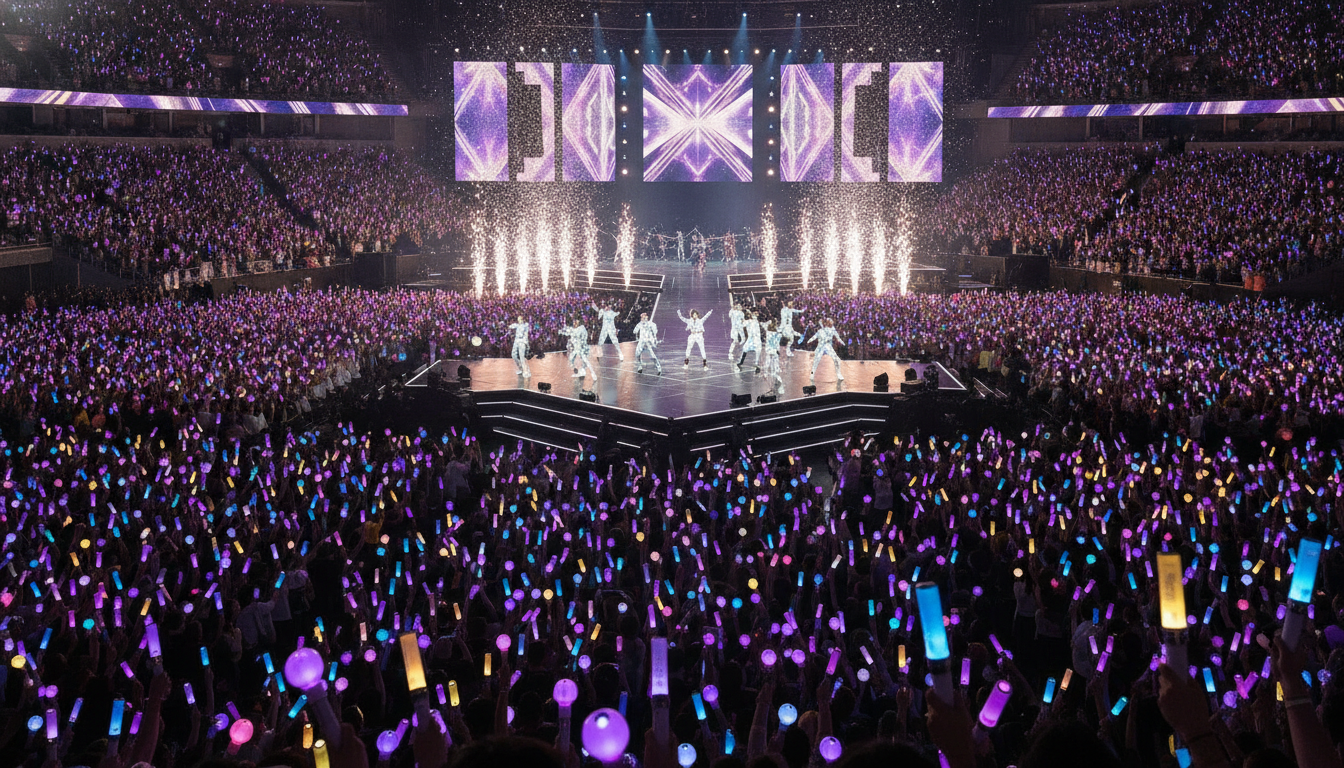
Their global impact, therefore, wasn’t just a lucky break; it was the inevitable result of this authentic foundation. When Jungkook stood on the stage at the 2022 World Cup in Qatar, it was a watershed moment, not just for BTS but for all of K-pop. It symbolized a level of mainstream acceptance that was once unimaginable. As the recent “K-Wave” phenomenon in the UK demonstrates, BTS didn’t just sell albums; they became cultural ambassadors. They opened doors for Korean film, food, and art by normalizing and celebrating their culture on the world’s biggest stages. They made it cool to be a fan of something from the other side of the planet, breaking down cultural barriers and proving that music is truly a universal language.
Why It Still Matters
In 2026, the legacy of BTS is not just in their past achievements but in the permanent mark they’ve left on the global music landscape. They fundamentally changed the formula for success in K-pop, proving that a group from a smaller company could achieve world domination through artistry and a genuine fan connection. This has inspired a new generation of artists and companies to prioritize lyrical substance and authentic communication. You can see their influence in the diverse sounds and storytelling concepts that have become more common in the industry today. They raised the ceiling of what was thought possible, and the entire industry has risen with them.
Their influence now extends beyond music into national infrastructure and policy. When a local mayoral candidate in Incheon publicly pledges to redevelop a major stadium specifically with BTS in mind, it’s a powerful indicator of their status. They are no longer just a music group; they are a national treasure, a cultural and economic force so significant that their future activities are factored into city planning. This is a level of impact reserved for the likes of The Beatles or Michael Jackson. It demonstrates that the world isn’t just waiting for their next album; it’s actively preparing for their return, ensuring the venues are grand enough to contain the energy that will be unleashed. Their comeback is not a question of *if*, but a seismic event that entire industries are bracing for.
Ultimately, the story of BTS is one of hope. It’s a story about seven young men from South Korea who spoke their truth and, in doing so, created a space for millions of people to find and speak their own. They championed the idea that your voice matters, that your story is valid, and that loving yourself is the first step toward changing the world. This message is timeless and universal, and it’s why their music continues to resonate so deeply, even with those who are just discovering them today. They are a constant reminder that no matter where you come from or what you’re going through, you can find your own magic shop—a place of comfort and healing—in the melodies and messages they’ve shared with the world.
Listen Now
If you want to feel the heart of this entire story in a single song, put on “Spring Day.” Don’t just listen to it; watch the music video and let the poignant visuals and heartfelt lyrics wash over you. It’s a song about longing, loss, and the unwavering hope of reunion—a sentiment that feels more relevant to their story now than ever before.