Alright, fellow K-pop stans, let’s talk about something truly monumental: the sheer, undeniable force of the international fandom. We’re not just talking about streaming numbers anymore, though those are consistently breaking records. We’re talking about a global movement that’s reshaping economies, influencing cultural landscapes, and even sparking legal battles that underscore its massive reach. The year 2026 has already shown us that the “Korean Wave” isn’t just washing over us; it’s fundamentally changing how the world interacts with Korean culture.
Honestly, what stands out most is how our collective passion, from meticulously curated fancams to coordinated lightstick oceans, translates into tangible, real-world impact far beyond music. Remember how Billboard reported in December 2025 that K-Pop became “more global than ever” in 17 distinct ways? That wasn’t just about catchy tunes; it was about us.
The Unstoppable Surge of Global Hallyu
The narrative that K-pop is just a niche genre is long gone. In 2025, K-pop’s popularity exploded worldwide, as confirmed by Statista in May 2026. This isn’t just a fleeting trend; it’s a deeply embedded cultural phenomenon. The Korea Herald noted in January 2026 that Korea, Japan, and Indonesia were the top K-pop markets in 2025, but the ripple effect is truly global. From every corner of the world, fans are not just consuming content, but actively engaging, demanding more, and shaping the industry’s trajectory.

This global footprint means that every comeback, every new release, every interaction on platforms like Weverse, is amplified exponentially. It’s a testament to the dedication of fandoms like ARMY, who have not only propelled groups like BTS to unprecedented heights, but also solidified K-pop’s place in mainstream global culture. The BBC even declared in February 2026 that K-pop stars, alongside Taylor Swift, “dominated music in 2025,” a statement that would have been unthinkable just a decade ago. It’s exhilarating to see our artists recognized on such a grand scale, proving that authentic talent and dedicated fandom can transcend any language barrier.
Fandoms Fueling Tourism & Cultural Exchange
Have you ever seen a travel itinerary entirely built around K-pop landmarks? It’s a common sight now! The global popularity of K-pop isn’t just keeping us glued to our screens; it’s literally drawing millions of people to South Korea. The Korea Herald reported in August 2026 on a significant “surge in foreign tourism driven by the global popularity of K-pop,” noting that Korea saw 78 million visitors in 2025, up from around 2 million in 2024. While not all of these are K-pop tourists, the connection is undeniable, with tour operators actively designing K-pop themed experiences.
This isn’t just about visiting idol-related spots; it’s about a deeper cultural immersion. We’re seeing initiatives like K-Style Hub Inc., led by CEO Yun Jung Park, actively working to bridge cultural gaps, even preparing a “breakthrough in the Muslim market” as of August 2026. Their platform aims to leverage the global popularity of K-dramas and K-pop to introduce Korean products and culture. This shows how our enthusiasm for the music opens doors for broader cultural exchange, making Korean traditions and lifestyle accessible and desirable worldwide. It’s truly amazing how our collective interest turns into a tangible economic and cultural boon for Korea.
Idols as Global Brand Powerhouses
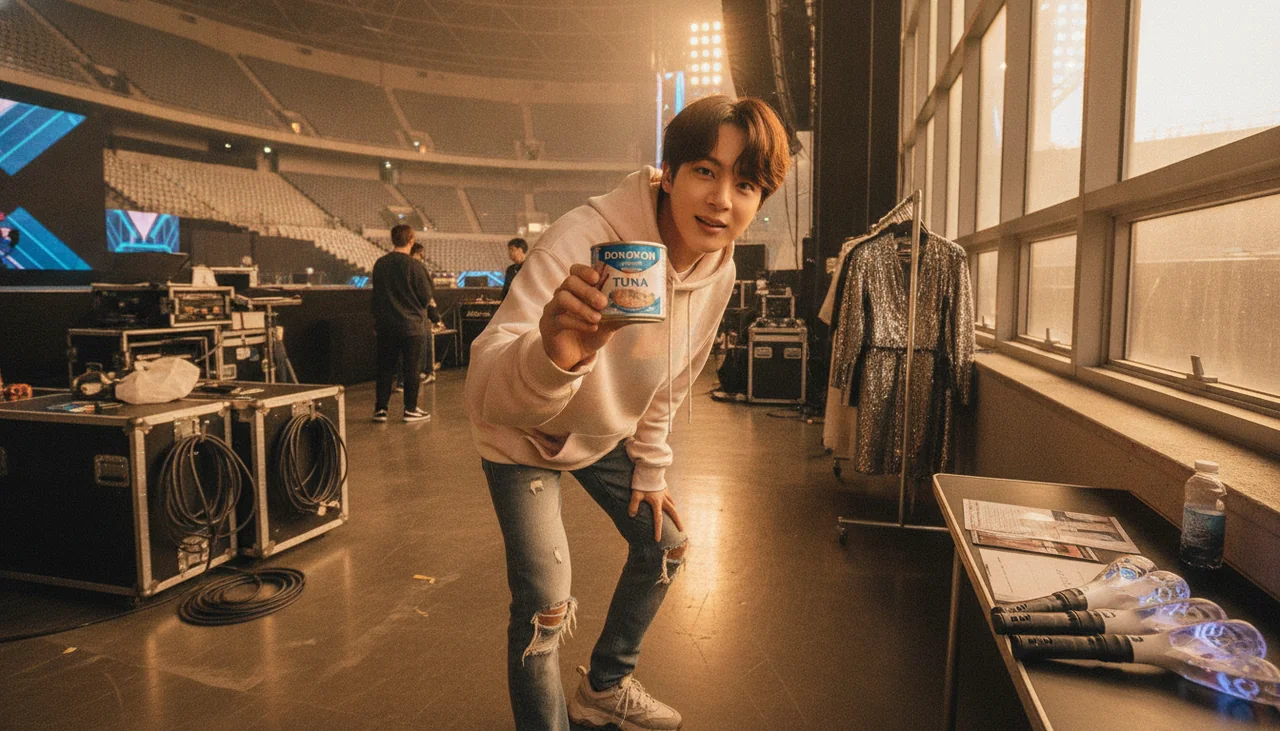
Let’s be real, our idols aren’t just performers; they’re global influencers whose market power is unmatched. When an idol endorses a product, the international fandom takes notice, and sales soar. A prime example is BTS’s Jin, who as of August 2026, is promoting Dongwon Tuna. The company explicitly plans to “leverage Jin’s global popularity to promote the product’s health-oriented” image and achieve “global growth.” This isn’t just about a domestic campaign; it’s a strategic move to tap into Jin’s worldwide appeal.
Beyond individual endorsements, the K-pop wave is elevating entire industries. The rising popularity of Korean entertainment culture, thanks to the global success of K-pop celebrities, has “opened up opportunities for Korean liquor” to go global, as reported in August 2026. This demonstrates how our dedication to K-pop artists directly translates into increased global recognition and consumption of Korean brands and products. From fashion to food to beverages, the global K-pop fandom acts as an incredibly powerful marketing force, driving economic growth and cultural export on an unprecedented scale.
The “K-Pop Demon Hunters” Phenomenon: A Litmus Test for Global Impact
Now, here’s where things get really wild and highlight the sheer magnitude of K-pop’s global reach: the “K-Pop Demon Hunters” movie. This popular 2025 K-pop film, lauded by Time Magazine as the “Breakthrough of the Year 2025” in December that year, has become a hot topic for reasons beyond its plot. In August 2026, Loudwire reported that the band “Demon Hunter” is suing Netflix and AEG Presents over the movie’s name, citing “confusion.” Netflix has already responded to the trademark lawsuit, as per Loudwire’s August 2026 update.
Think about that for a second. A K-pop-themed movie, released globally, has garnered such immense attention and cultural penetration that it’s now at the center of a trademark dispute involving major international players like Netflix. This isn’t just about a successful film; it’s about the K-pop brand itself having enough global weight to warrant legal action over potential name confusion. It underscores how deeply “K-Pop” has seeped into the global consciousness, becoming a recognizable and valuable cultural identifier. The fact that a K-pop-related title can cause such a stir globally truly shows the power and reach of our fandom.
Navigating the Global Stage: Tips for International Fans
Being part of the international K-pop fandom is an incredible experience, and there are always ways to enhance your engagement and ensure you’re making the most of this global phenomenon.
1. Engage Responsibly with Global Content: When a new comeback drops, remember that every view, every like, every share on official channels contributes to global chart rankings like Billboard Hot 100. Support artists by streaming on official platforms, not just for the music but to help them achieve those coveted daesangs and international recognition. 2. Support Beyond Music: Consider exploring the wider “Hallyu” wave. If an idol endorses a product, like Jin with Dongwon Tuna, learning about the brand or product can be a fun way to connect further. This expands your cultural understanding and supports the broader Korean economy that benefits from K-pop’s reach. 3. Stay Informed About Global Trends: Keep an eye on reports from reputable sources like Billboard, Statista, and The Korea Herald. Understanding which markets are growing (like Korea, Japan, and Indonesia in 2025) helps you appreciate the diverse global landscape of K-pop and its evolving impact. 4. Connect with Diverse Fandoms: Use platforms like Weverse to connect with fellow fans from around the world. Understanding different cultural perspectives within the international fandom enriches your experience and highlights the unifying power of K-pop. 5. Be Aware of Industry News: Following news about events like the “K-Pop Demon Hunters” lawsuit isn’t just gossip; it’s insight into the legal and business complexities that arise when K-pop’s influence grows. It helps you understand the industry’s challenges and triumphs on a global scale.
Quick Summary The international K-pop fandom is a powerhouse, driving not just chart success but significant global cultural and economic impact. From fueling tourism and making Korea a top destination for millions, to transforming idols into global brand ambassadors for products like Dongwon Tuna, our collective passion is undeniable. Even legal battles, like the “Demon Hunter” lawsuit over the “K-Pop Demon Hunters” movie, highlight the immense, pervasive influence of K-pop on the world stage in 2026. This is our moment, fellow fans, and we’re just getting started!
Found this helpful? Bookmark us! ⭐