Alright, fellow K-Pop stans, let’s talk about what truly sets our favorite genre apart: the unparalleled stage performance. It’s 2026, and K-pop isn’t just maintaining its global presence; it’s actively “turning up the volume,” as noted by Choi Sung-rak of Kangseo University on July 23, 2026. Every comeback, every world tour stop, every special stage is a meticulously crafted experience designed to leave us breathless. From the sheer scale of stadium shows to the intricate storytelling in a three-minute music show performance, K-Pop artists and their teams are constantly pushing boundaries. It’s more than just singing and dancing; it’s a full-sensory assault, a narrative unfolding before our eyes, and a powerful connection between artist and fandom. Let’s deep-dive into how 2026’s stages are truly electrifying the world.
The Global Stage: Unpacking Stadium Spectacles
There’s nothing quite like the energy of a K-Pop stadium show. The sheer scale and ambition behind these performances are astounding. This year alone, we’ve seen titans like BTS return to monumental venues, flexing their dominance. The Guardian and Rolling Stone UK both lauded BTS’s first UK show in seven years on July 7, 2026, describing it as “pure joy and astonishing versatility” and a “dazzling stadium spectacle.” Imagine the roar of the crowd, the sea of ARMY bombs, and the feeling of collective euphoria. Similarly, The Mercury News reported on May 17, 2026, about BTS’s “spectacular concert” in the Bay Area, showcasing their continued ability to captivate massive audiences across continents.
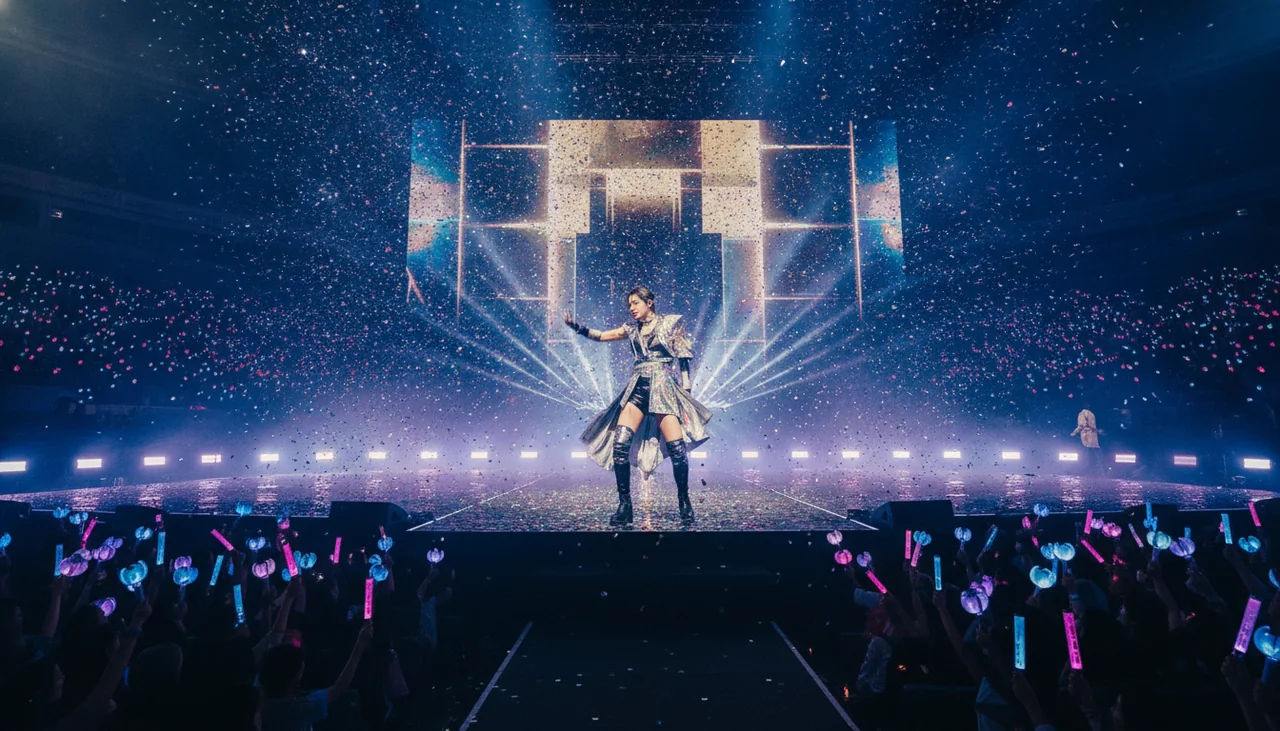
It’s not just the veteran groups, either. BABYMONSTER, still early in their journey, wrapped up “3 explosive nights of sold-out shows in Seoul” on June 28, 2026, to kick off their 2nd world tour, as highlighted by The Korea Times. This commitment to grand-scale production from the get-go speaks volumes about the expectations and standards in K-Pop. And let’s not forget TWICE, who brought their “THIS IS FOR” World Tour to Vancouver on January 13, 2026, reviewed by BroadwayWorld, proving their consistent power to fill arenas. These aren’t just concerts; they are meticulously planned global events that require immense coordination, cutting-edge technology, and an unwavering commitment to delivering an unforgettable experience for tens of thousands of fans simultaneously.
Practical Tip: When a world tour is announced, keep an eye on official artist Weverse updates and fan club pre-sales. Being part of the official fan club often grants early access to tickets, which is crucial for securing a spot at these high-demand events.
Comeback Chronicles: Storytelling Through Performance
Every K-Pop comeback is a carefully crafted narrative, and the stage is where that story truly comes alive. It’s where the conceptual photos, album tracks, and music video lore converge into a dynamic, live experience. Take BTS’s ‘ARIRANG’ comeback, for instance. The Korea Times reported on March 21, 2026, about their “historic Gwanghwamun comeback show,” a performance that wasn’t just a concert but a cultural moment. Critics like Rolling Stone, NME, and Complex praised ‘ARIRANG’ on June 24, 2026, not only for being a “polished as a global pop album” but also for being “rooted in” a deeper cultural context, suggesting a performance energy that takes on a “new form.” This kind of critical acclaim for a comeback’s holistic approach — from music to presentation — underscores the depth of K-Pop stagecraft.
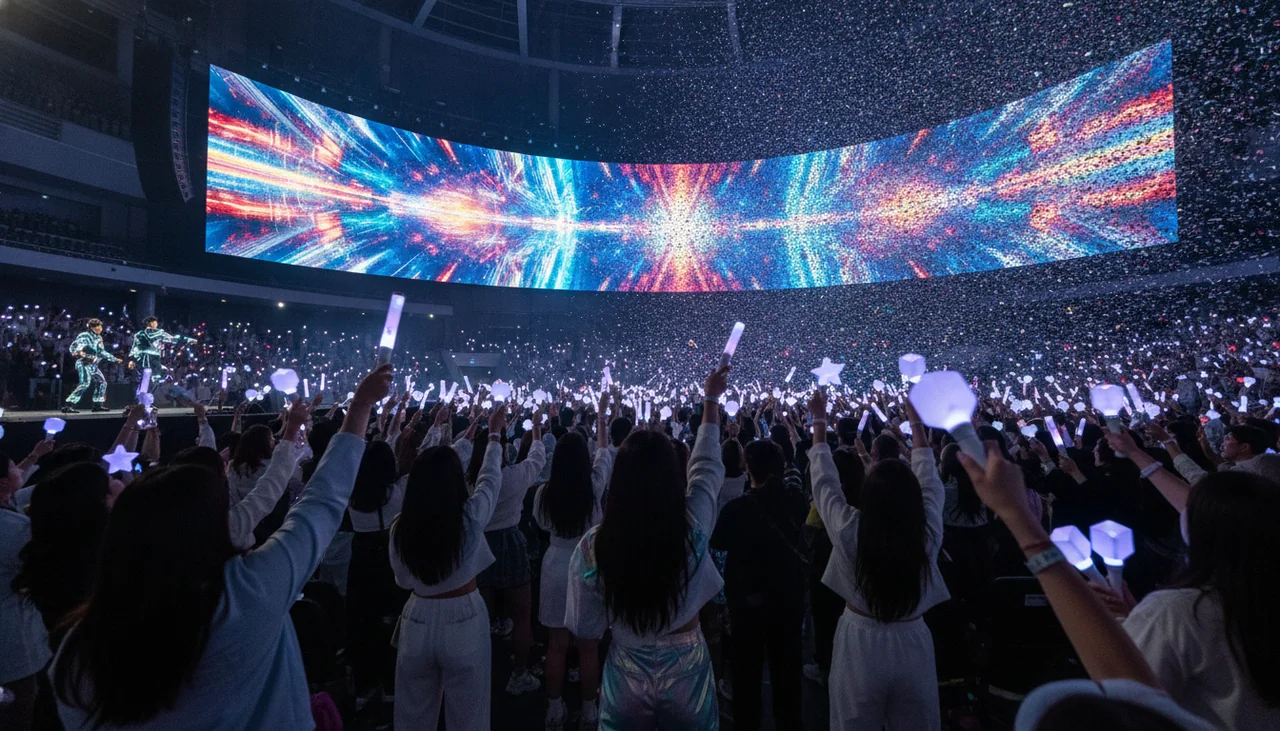
Even for newer groups like RIIZE, a song like ‘Do Your Dance’, reviewed by thebiaslist.com on June 15, 2026, would undoubtedly be brought to life with choreography that visually interprets its sonic elements. Comeback stages are where the intricate dance moves are first fully revealed, where the members’ expressions convey the song’s emotion, and where every detail, from outfits to stage props, enhances the overall message. These initial live performances after an album drop are crucial for setting the tone for the entire promotional cycle, often becoming iconic moments that fans revisit through fancams for years to come. The analysis of these stages provides a deeper understanding of the artist’s vision for their new music.
Practical Tip: After a comeback, watch the official music show performances and then seek out individual fancams of your favorite members. This allows you to appreciate both the group’s synchronized power and the unique nuances of each performer’s interpretation, often revealing details you might miss in a wider shot.
Tech & Artistry: The Visual Symphony of K-Pop Stages
K-Pop stages are synonymous with groundbreaking technology and breathtaking visual artistry. They’re not just platforms for performance; they are immersive environments designed to create a “happy assault on the senses,” as the Irish Examiner described the “K-pop Forever! Tribute review” on June 11, 2026. This year, we’re seeing an even greater integration of advanced stage design, lighting effects, and LED screens that transform the performance space into a dynamic canvas. The “performance energy are expected to take on a new form” (Rolling Stone, NME, Complex on BTS’s ‘ARIRANG’, June 24, 2026) is a testament to this continuous innovation.
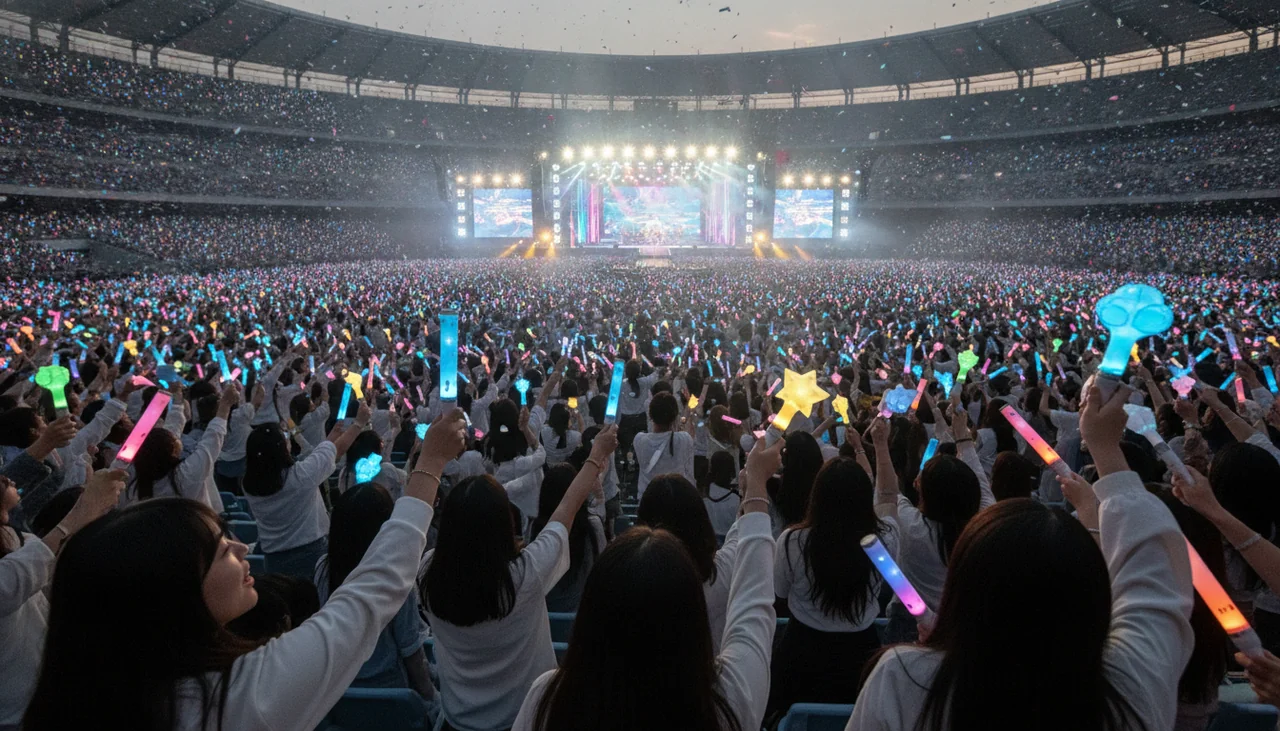
Think about the intricate lighting cues that accentuate a dance break, the stunning visual projections that transport the audience to another world, or the elaborate stage props that add depth to a concept. Lightsticks, those iconic beacons of fandom, play a crucial role too, often synchronized wirelessly to create mesmerizing waves of color that respond to the music, making the audience an active part of the visual spectacle. Furthermore, discussions around “AI and K-Heritage” potentially rewriting “the growth” (July 19, 2026) suggest that future stage designs could incorporate even more sophisticated digital elements, blending traditional Korean aesthetics with futuristic technology for truly unique experiences.
Practical Tip: When watching concert footage or official performance videos, try to pay attention not just to the artists, but also to the background visuals, lighting changes, and camera work. These elements are carefully choreographed to complement the performance and often tell an additional layer of the story.
Fandom’s Roar: Powering the Live Experience
The unique magic of a K-Pop stage performance is intrinsically linked to its fandom. The energy isn’t just one-sided; it’s a powerful feedback loop between the artists and their dedicated fans. The “pure joy” observed at BTS’s UK show (The Guardian, July 7, 2026) is a direct result of this symbiotic relationship. Fan chants, those perfectly synchronized cheers and song lyrics shouted in unison, are a quintessential element, transforming a stadium full of individuals into a single, roaring entity. The collective waving of lightsticks, creating a “fan ocean,” is another visual testament to this unity, making the audience an undeniable part of the show’s aesthetic.
Artists often express how this fan energy fuels their performances, creating an atmosphere that is electrifying and deeply personal. The communal experience of singing along, dancing, and cheering with thousands of like-minded fans amplifies the emotional impact of the performance exponentially. It’s a shared moment of connection and celebration that transcends language barriers and geographical distances. This active participation from the fandom is what makes K-Pop concerts truly special and sets them apart from many other live music experiences.
Practical Tip: If you plan to attend a concert, learn the official fan chants! Many fan communities share guides online. Participating in fan chants not only enhances your own experience but also contributes directly to the incredible atmosphere that artists thrive on.
Beyond the Lights: K-Pop’s Cultural Impact Onstage
K-Pop stage performances in 2026 are more than just entertainment; they are powerful vehicles for cultural exchange and global influence. The “global attention first generated by K-pop and Korean dramas” (July 19, 2026) often culminates in these spectacular live experiences, showcasing Korean artistry and innovation to the world. These stages contribute significantly to the “global competitiveness of K-pop and K-drama content,” as noted in discussions about FIFA-licensed merchandise on July 10, 2026. They are ambassadors, presenting a polished, dynamic, and culturally rich image of Korea to millions worldwide.
From incorporating traditional Korean elements into modern choreography and stage design to the artists’ eloquent speeches about cultural pride, every performance subtly weaves in threads of Korean identity. This fusion of global pop sensibilities with a distinctive cultural foundation is a key reason for K-Pop’s enduring appeal. The stages are not just about showing off talent; they’re about sharing a piece of Korean culture, sparking curiosity, and fostering a deeper appreciation for the Hallyu wave. They are platforms where art, technology, and cultural identity merge to create an unforgettable global phenomenon.
Practical Tip: Explore the cultural references sometimes hidden within K-Pop performances, whether it’s through traditional instrumentation in a track like ‘ARIRANG’ or subtle nods in stage costumes. Understanding these elements can deepen your appreciation for the artistry and cultural storytelling.
Quick Summary
K-Pop stage performances in 2026 are a masterclass in entertainment, blending massive global spectacles with intricate storytelling and cutting-edge technology. From BTS’s “dazzling stadium spectacle” in the UK to BABYMONSTER’s “explosive nights” in Seoul, artists are delivering unforgettable experiences. The integration of advanced visuals, the narrative power of comebacks like BTS’s ‘ARIRANG’, and the electrifying energy contributed by dedicated fandoms create a unique and immersive environment. These stages are not just about music; they are cultural touchstones, showcasing K-Pop’s global impact and its continuous evolution as a leading force in entertainment.
Found this helpful? Bookmark us! ⭐