The global phenomenon that is K-pop isn’t just about catchy tunes or mesmerizing choreography; it’s about the deep, vibrant, and incredibly active community that powers it all. We’re talking, of course, about Korean idol fandom. In 2026, this culture is more intricate and influential than ever, shaping everything from artist careers to global tourism. If you’ve ever wondered what truly makes the K-pop fandom machine tick, grab your lightstick and let’s dive into the heart of it.
The Digital Heartbeat: Connecting Idols and Fans 24/7
At the core of modern K-pop fandom lies an unparalleled digital intimacy. Forget just following artists on traditional social media; K-pop has created dedicated ecosystems where idols and fans interact directly. The ongoing “Weverse vs. Bubble” debate, highlighted by Outlook Respawn on November 20, 2025, perfectly encapsulates this. These platforms aren’t just messaging apps; they’re digital fan hubs where idols share daily updates, behind-the-scenes glimpses, and even personal thoughts, fostering a unique sense of connection. Fans get exclusive content, direct communication, and a space to bond with fellow stans, creating a truly global family. This constant, direct engagement is a massive part of what makes K-pop fandom feel so personal and impactful. It’s where inside jokes are born, where comeback countdowns happen, and where the collective energy for streaming parties builds.
Unwavering Support: From Votes to Virtual Wallets
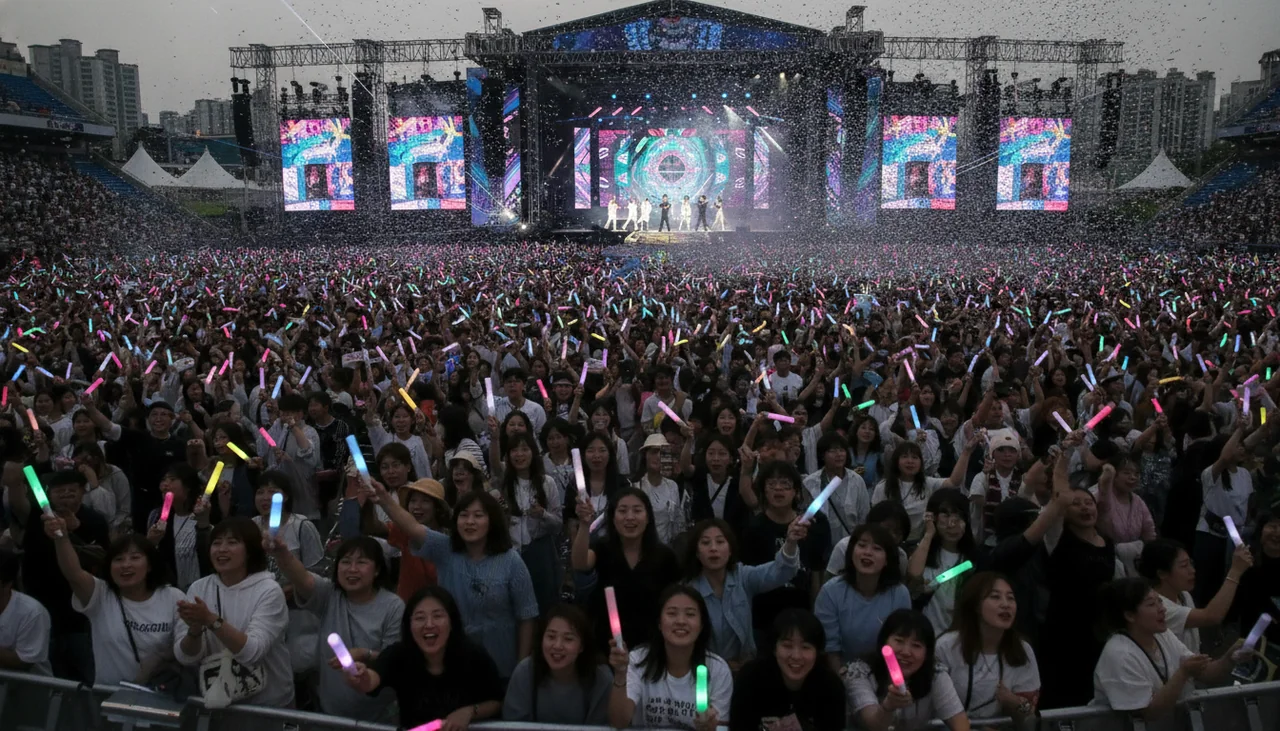
K-pop fandom is synonymous with active, dedicated support. This isn’t passive listening; it’s an all-in commitment. One of the most tangible ways fans show their love is through voting. Take EXO’s D.O., for example. He was recently voted the K-pop star with “Michelin-class taste” by fans on the platform Picnic, as reported on April 17, 2026. This isn’t just a fun poll; it demonstrates the organized power of fandoms to mobilize and cast votes for their biases in various categories, from music shows to brand endorsements. Beyond voting, there’s the relentless pursuit of chart success. Fandoms meticulously plan streaming goals for comebacks, strategizing to push new releases onto global charts like the Billboard Hot 100 or domestic giants like Gaon and Melon. Then there’s merchandise. From official lightsticks for concerts to special album editions, fans are eager to collect. The popularity of items like those featured in the “KPop Demon Hunters” holiday gift guide (Prestige Online – Singapore, December 15, 2025) shows how deeply fans immerse themselves in the idol’s universe, collecting everything from official photocards to themed apparel. This unwavering support, often fueled by collective goals, is a defining characteristic of K-pop fandom.
Evolution and Inclusivity: The XLOV Effect and Beyond
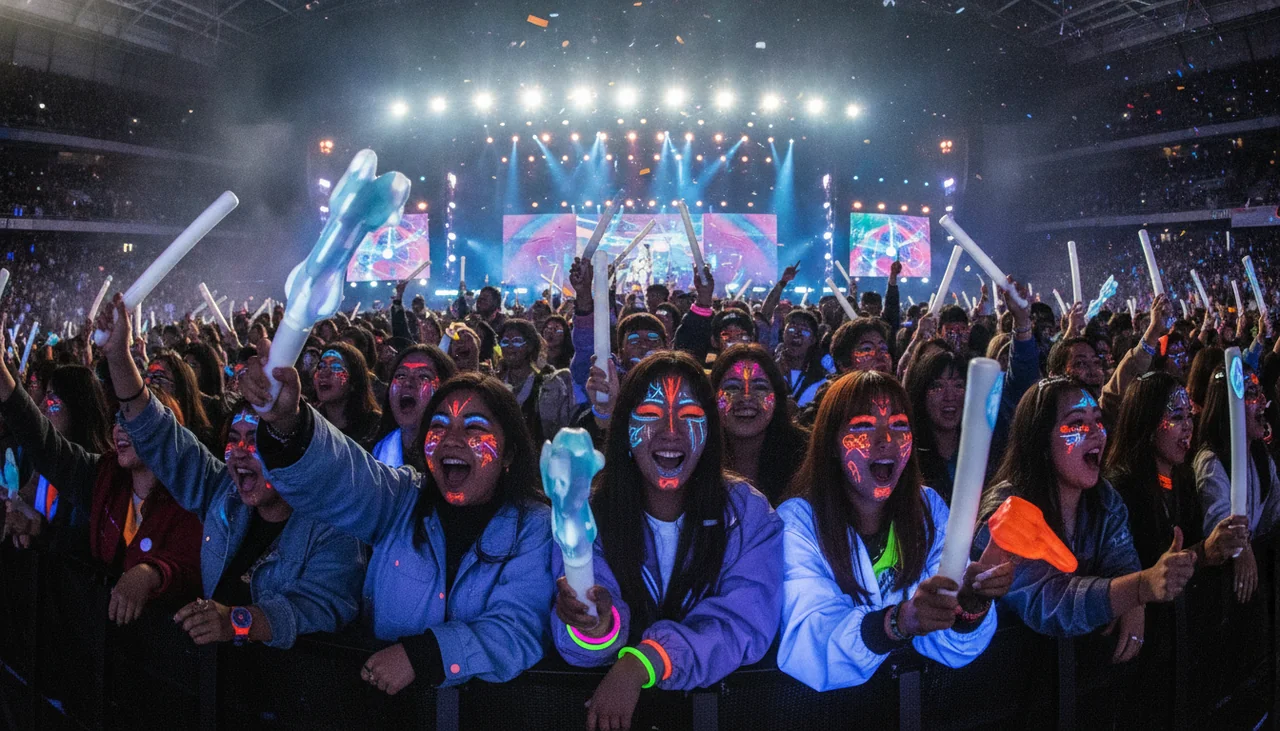
K-pop fandom is also a dynamic space, constantly evolving with the industry. A prime example is the groundbreaking “genderless” K-pop band XLOV, who, as K-pop’s very first self-described “genderless” act, are carving out a distinctive path, according to a May 27, 2026 report. Their unique fan culture, where fans attend concerts wearing XLOV’s previous styles and makeup, showcases a beautiful facet of K-pop fandom: its capacity for self-expression and inclusivity. This isn’t just about supporting an idol; it’s about finding a community that celebrates diversity and allows fans to explore their own identities through their idols’ art. The way fans embrace and amplify XLOV’s message demonstrates a growing demand for artists who challenge norms and create spaces for everyone. This reciprocal relationship, where idols inspire fans to be themselves and fans, in turn, empower idols, is a powerful engine for cultural change within the K-pop landscape.
Immersive Experiences: Travel, Content & Community
For many, K-pop fandom extends far beyond music consumption; it’s a lifestyle. This year, South Korea’s tourism boom is directly linked to K-pop, with “K-Pop-Inspired Travel Experiences” being a major draw for visitors, as noted by the Sacramento Bee on April 30, 2026. Fans travel across the globe to visit filming locations, agency buildings, and K-pop themed cafes, creating real-world connections to their online passions. Beyond physical travel, fans immerse themselves in a wealth of content. The “Ultimate K-Pop Documentary Guide” from BuzzFeed on March 2, 2026, highlights how fans engage with behind-the-scenes stories, concert films, and biographical narratives that deepen their understanding and appreciation of their idols’ journeys. Moreover, K-pop fandom often intersects with broader cultural appreciation. The way “Korean heritage is having its K-pop moment,” actively pulling visitors into museums with audio guides featuring Blackpink and BTS, as reported on March 1, 2026, shows how fans connect their love for idols to a deeper engagement with Korean culture itself. This holistic approach to fandom creates a rich, multifaceted experience that constantly offers new avenues for engagement.
Navigating the Waters: Responsible Fandom and Community Spirit
While K-pop fandom is overwhelmingly positive and community-driven, it’s also a complex ecosystem with its challenges. The intensity of fan dedication, while inspiring, sometimes leads to issues. The term “sasaeng” is an insider term that refers to obsessive fans who invade idols’ privacy, and while not representative of the vast majority, it serves as a stark reminder of the boundaries that must be respected. Responsible fandom emphasizes healthy boundaries, respectful engagement, and supporting idols in ways that prioritize their well-being. This often involves collective efforts within fandoms to report harmful behavior, promote positive fan etiquette, and ensure that the shared space remains welcoming and safe for everyone. After all, the strength of K-pop fandom lies in its vibrant, inclusive community spirit, where fans lift each other up and celebrate their shared passion for music and culture. Culture critic Kim Heon-sik, discussing former idols becoming producers (The Korea Herald, February 22, 2026), noted how artists who “once navigated the pressures of idol life now guide new acts.” This speaks to a deeper understanding within the industry and fandom of the need for sustainable, healthy idol careers, which, in turn, benefits the entire fan culture.
Quick Summary
Korean idol fandom in 2026 is a powerhouse built on digital connection via platforms like Weverse and Bubble, fueled by unwavering support through voting, streaming, and merchandise, and constantly evolving with inclusive movements like XLOV’s genderless concept. It offers immersive experiences through K-pop-inspired travel and rich content, all while navigating the complexities of responsible engagement. This passionate, organized, and deeply connected community is not just observing K-pop; it’s actively shaping its future.
Found this helpful? Bookmark us! ⭐