I was glued to my screen for the June 11th M Countdown, and I know you were too. Seeing LE SSERAFIM, ILLIT, and KATSEYE share a stage for ‘ICONIC BY MISTAKE’ felt like more than just a special performance; it felt like a statement. For years, I’ve been front row, lightstick in hand, watching choreography evolve from just impressive synchronized moves into something far more complex. But 2026 feels different. The dance isn’t just the vehicle for the song anymore—it’s the entire story.
We’ve moved past the era where a single “point dance” move was enough to carry a comeback. Now, choreography is a language of its own, weaving intricate narratives that build on group lore, reflect an artist’s personal journey, and are even shaped by the very data we fans generate on platforms like Weverse. What we’re seeing isn’t just dance; it’s a new form of K-pop theater, and honestly, I am living for it.
The HYBE Method: Collaborative Stages as World-Building
Let’s break down that ‘ICONIC BY MISTAKE’ stage. On the surface, it was a dream collaboration. But as someone who’s followed these groups since their debut teasers, I saw the bigger picture. HYBE didn’t just throw three of their hottest girl groups together. They created a live-action chapter in their universe. You had LE SSERAFIM’s signature powerful, almost athletic confidence, ILLIT’s whimsical and dreamy magnetic core, and KATSEYE’s sharp, global-pop precision. The choreography didn’t try to blend them into one homogenous style. Instead, it highlighted their differences, letting them play off each other.
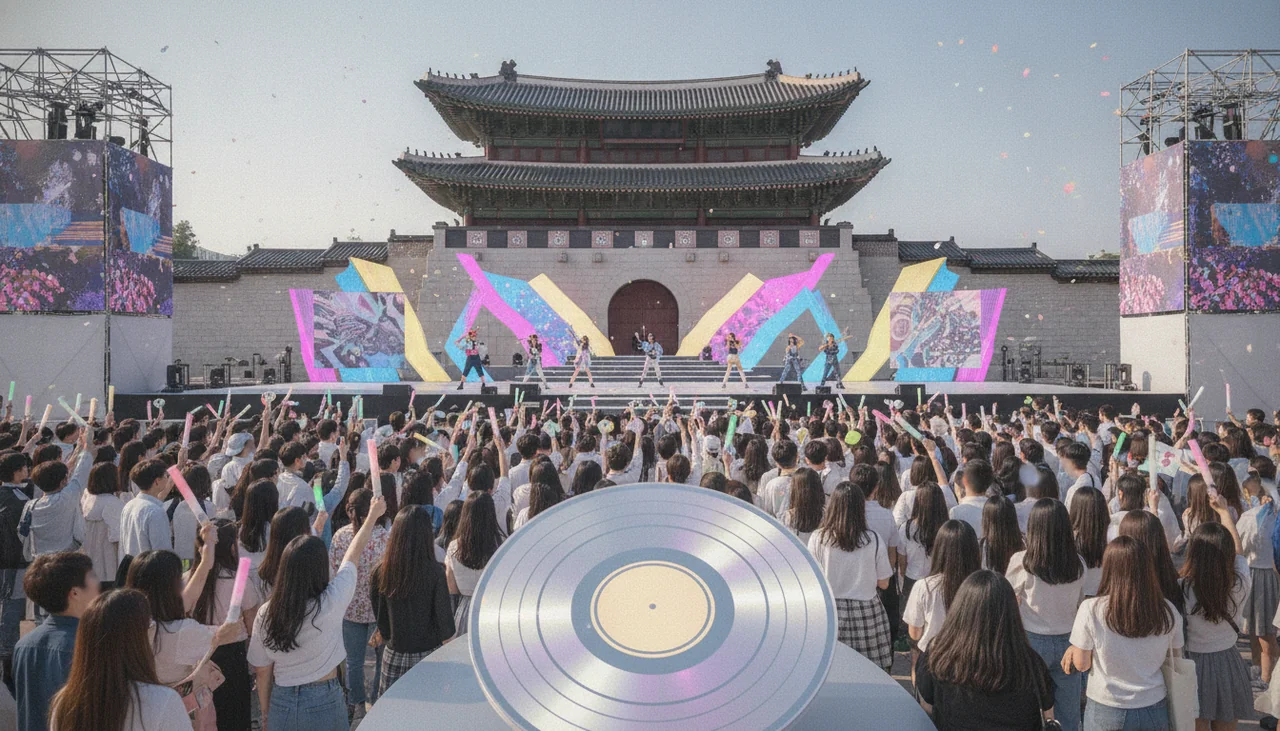
This is strategic genius. With Weverse providing real-time data on fan engagement, companies can now see precisely which concepts and interactions resonate. A stage like this isn’t a gamble; it’s a data-driven narrative event. It’s designed to make us talk, to create theories, to imagine the world where these three distinct groups coexist. The choreography tells a story of unity without sacrificing identity. It’s a far cry from the days of just covering a senior group’s song. This is active world-building, and the dance is the primary text. The performance on Mnet’s ‘M Countdown’ on June 11th wasn’t just one of the most-watched of the week, as predicted; it was a masterclass in using movement to expand a brand’s universe.
BTS’s Grand Return: Choreography as Emotional Arc
Okay, we have to talk about BTS. Their 2026 return wasn’t just a comeback; it was a cultural event. I was lucky enough to be at the Bay Area show in May, and let me tell you, the energy was unreal. But what struck me most, from the historic Gwanghwamun comeback show reviewed by The Korea Times on March 21st to the BTS: The Comeback Live special on Netflix, was how their choreography has matured.
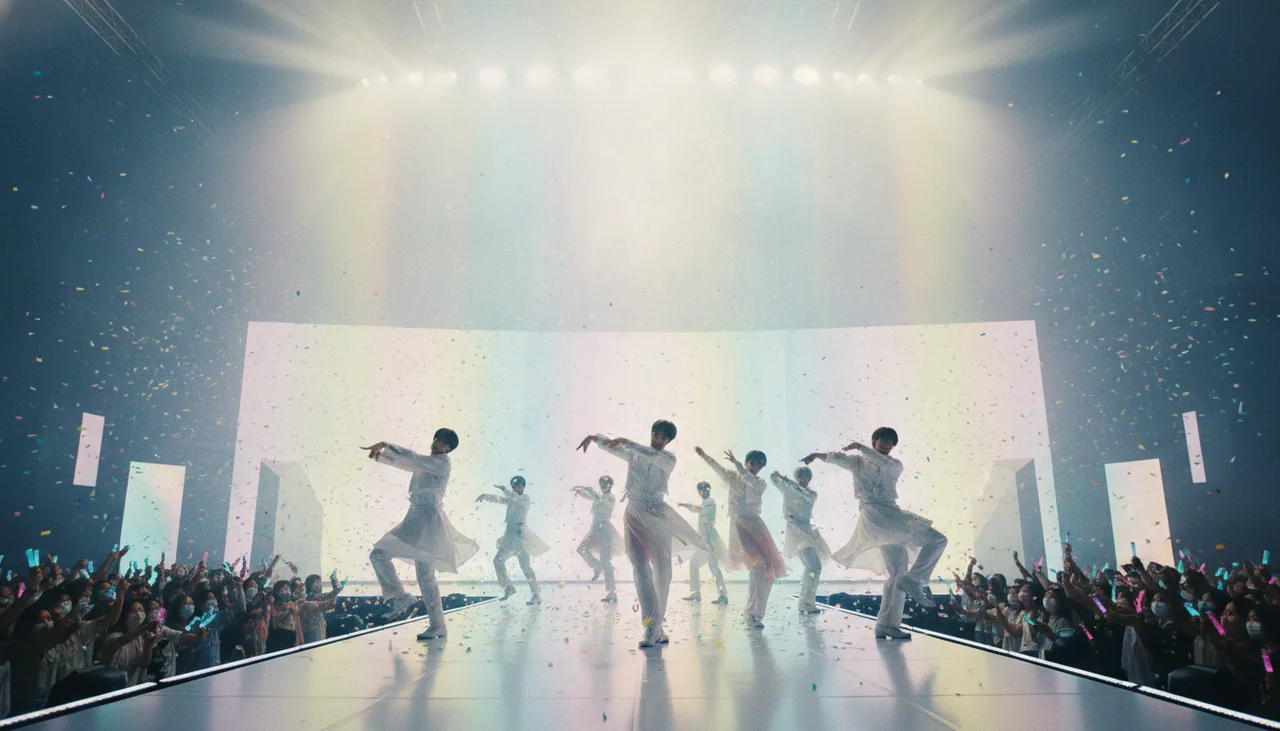
This isn’t the “Dope” or “Fire” era BTS, all youthful aggression and explosive power (though they can still hit it harder than anyone). The new performances tell the story of their journey. The formations are still incredibly complex, but there’s a new layer of lyricality and emotional weight. You can see their history in the way they interact on stage, the subtle nods to past choreo, the sheer joy of being back together. The Mercury News called the concert “spectacular,” and it truly was. The choreography felt less like a routine and more like a conversation between the seven of them and ARMY.
Watching the Netflix special, I was struck by the close-ups during the dance breaks. You could see the storytelling wasn’t just in the big, powerful movements but in the expressions, the breathing, the exhaustion, and the triumph. They’re using their bodies to convey the entire emotional arc of their hiatus and return. This is what separates idols from artists, and legends from idols. They aren’t just performing songs; they are performing their own history, and every single step feels earned. It’s a level of artistry that continues to push the industry forward, proving that even at the top, there’s always a new story to tell through dance.
The Soloist’s Stage: Taemin’s Masterclass in Intimacy
While groups are building universes, soloists in 2026 are using choreography to create incredibly intimate portraits. And who better to talk about than the master himself, Taemin? Fresh off his historic US radio debut this month, his recent performances for the ‘Paint’ series and Genius’s ‘Open Mic’ digital stage are a testament to the power of a single performer.
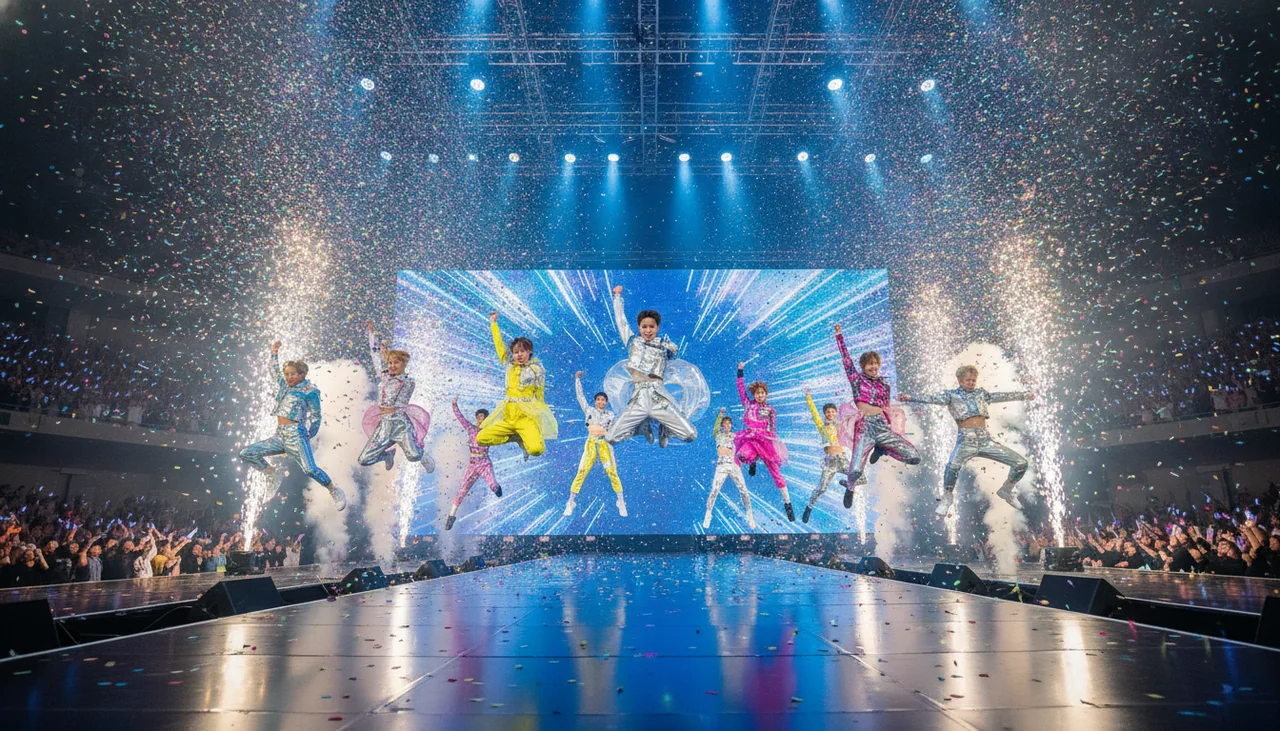
I’ve seen Taemin in concert more times than I can count, and his ability to command a stage is second to none. His choreography has always been fluid and boundary-pushing, but now it feels even more personal. Without the need for group formations or synchronized hooks, every movement is pure, distilled expression. His dance style is a narrative in itself—telling stories of temptation, loss, and vulnerability. It’s less about hitting every beat perfectly (which he does, obviously) and more about embodying the music’s soul.
This is a different kind of choreographic storytelling. It’s not an epic; it’s a monologue. It draws you in, forcing you to focus on the micro-expressions and the delicate control in his hands and feet. For a soloist, the dance becomes their most trusted partner on stage, and watching Taemin is like witnessing a conversation between his body and the music. It’s a skill honed over a legendary career, and it reminds us that sometimes the most powerful stories are the ones told by a single, captivating voice.
The Next Wave: RIIZE and the Power of Relatability
On the other end of the spectrum, we have the new wave, and RIIZE is leading the pack with their “emotional pop.” Their latest track, “Do Your Dance,” which dropped just this week on June 15th, perfectly encapsulates a major shift in 4th and 5th-gen boy group choreography. The focus is moving away from the hyper-synchronized, almost militaristic precision that defined earlier generations.
Instead, RIIZE’s choreography feels accessible, groovy, and, most importantly, relatable. The dance is intricate, don’t get me wrong, but it’s built around a feeling of ease and natural chemistry. It looks like a group of friends who are insanely talented dancers just vibing together. This style is incredibly smart because it’s highly replicable for TikTok challenges while still being impressive on a technical level. It invites the audience in. The story here isn’t a complex fantasy lore; it’s a story of youth, friendship, and the simple joy of music.
As thebiaslist.com pointed out in their review, the song itself has that effortless appeal, and the choreography is a perfect match. This trend toward more “human” and less “robotic” choreography is a direct response to what fans connect with now. We don’t just want to be impressed; we want to feel a connection. RIIZE’s performance style makes you feel like you could be on that stage with them, and that’s a powerful narrative tool that is defining the current generation of idol performance.
—
Key Takeaways
– Narrative Over Novelty: In 2026, the best choreography isn’t just about a cool “point dance.” It’s about telling a coherent story, whether it’s building a fictional universe (HYBE’s collab), chronicling a real-life journey (BTS), or expressing intimate emotion (Taemin). – Data-Informed Artistry: Companies are using fan engagement data from platforms like Weverse to craft performances they know will resonate, making stages like ‘ICONIC BY MISTAKE’ calculated and impactful events. – The Human Touch: Newer groups like RIIZE are finding massive success with more relatable, “emotional pop” choreography that prioritizes vibe and connection over intimidatingly perfect synchronization. – Your Homework: The next time you watch a comeback stage or a concert VCR, try to look beyond the individual moves. Ask yourself: What story are they telling me? From the first formation to the final pose, I promise you’ll see the performance in a whole new light.
Found this helpful? Bookmark us! ⭐