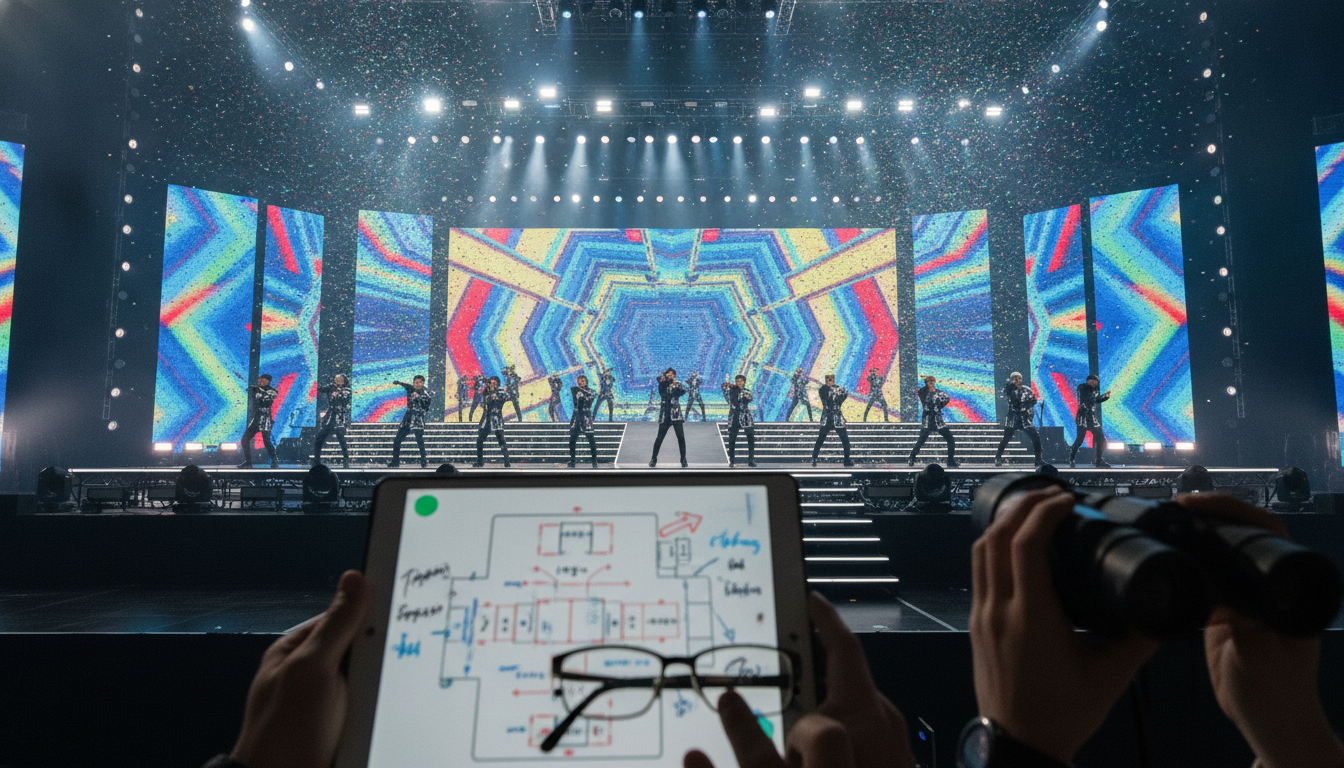
Hello, fellow K-Pop enthusiasts! It’s your go-to source here at K-Pop Daily Spotlight. With the absolute whirlwind of incredible comebacks we’ve already seen in 2026, from Stray Kids’ cinematic universe to aespa’s latest AI-driven concept, the conversation around what makes a performance truly legendary is buzzing. We stream the music videos, we buy the albums, but the stage is where the magic truly comes to life. A K-pop performance isn’t just a song and dance; it’s a 3-minute epic packed with storytelling, artistry, and technical brilliance.
But how do you move from simply enjoying a performance to truly understanding it? How do you spot the details that separate a good stage from an iconic one? Today, we’re breaking down the five essential elements of K-pop stage performance analysis. Get ready to watch your favorite stages with a whole new perspective!
1. The Choreography as a Narrative Arc
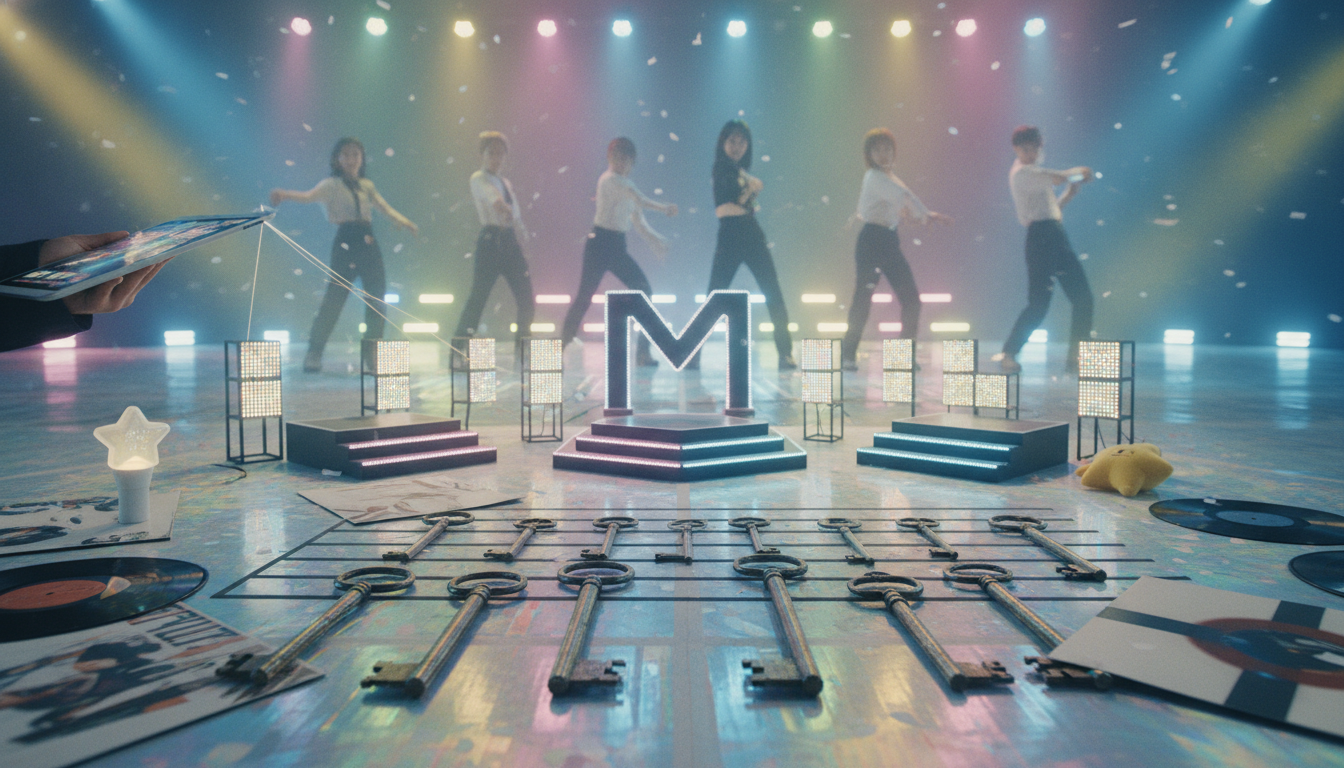
The first thing that grabs our attention is always the choreography, but it’s so much more than just synchronized movements. The best choreography tells a story that mirrors the song’s lyrics and emotional journey. Think of it as a physical script. The formations, the gestures, the intensity—it all serves a purpose. Does the “killing part” of the choreo align with the song’s hook? Do the movements reflect the lyrics—are they sharp and aggressive during a powerful verse, or soft and fluid during a vulnerable bridge?
Groups like SEVENTEEN have long been masters of this, using their large number of members to create breathtaking, theatrical formations that feel like a full-scale production. Their performance of “Super” remains a masterclass in using formations to convey power and scale. We’re also seeing the continued influence of star choreographers like Bada Lee, whose win on Street Woman Fighter 2 in late 2023 catapulted her to industry-wide fame. Her sharp, trendy, and intricate style continues to shape the dance landscape in 2026, emphasizing storytelling through complex hand gestures and dynamic level changes. A great performance uses dance not just to accompany the music, but to become an inseparable part of its narrative.
Pro-Tip: Watch a performance multiple times. First, watch the whole group to get a feel for the formations and overall energy. Then, watch a fancam of a single member. This allows you to catch the subtle facial expressions and individual execution that add another layer to the story.
2. Decoding the Stage Design and Visual Production
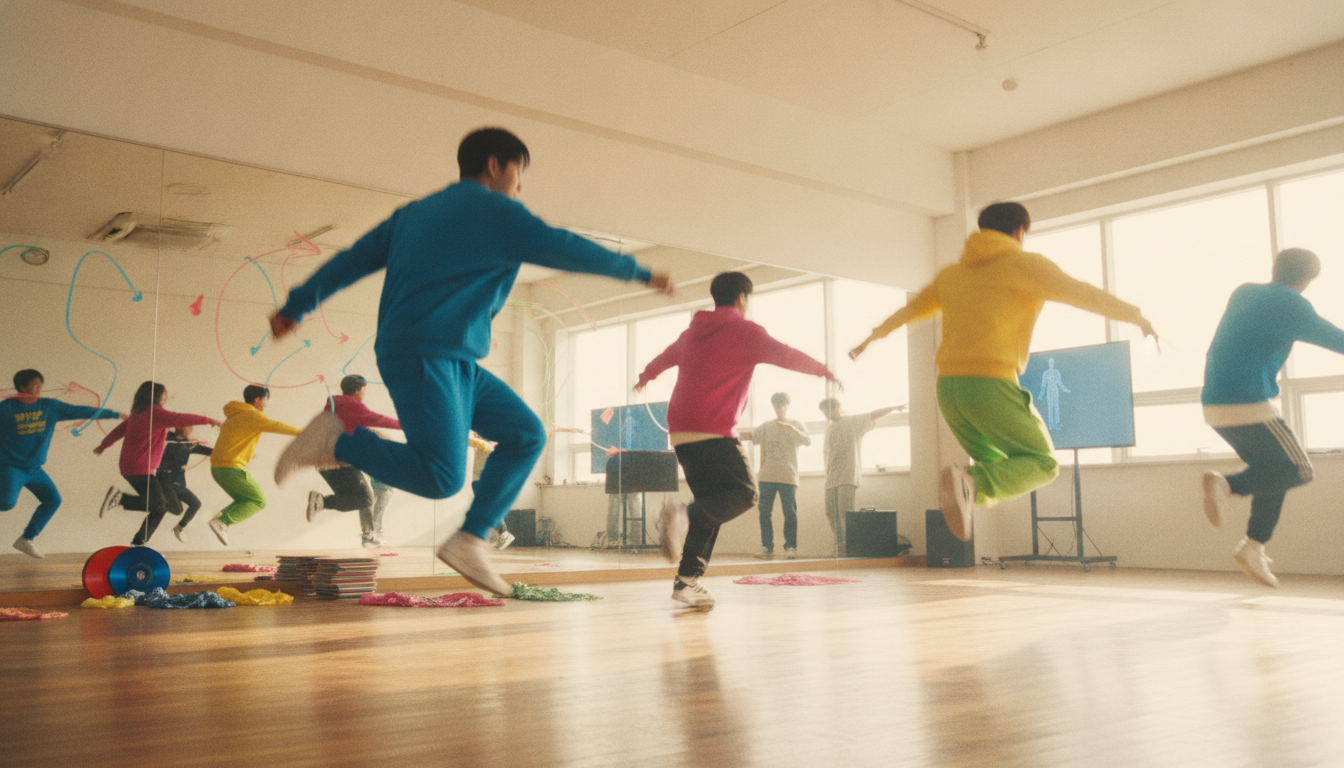
An idol group doesn’t perform in a vacuum. The world built around them on stage is a critical character in the performance. Stage design, lighting, pyrotechnics, and the massive LED screens behind them all work together to immerse the audience in the song’s concept. Is the stage dark and industrial for a gritty hip-hop track? Is it flooded with pastel lights and floral imagery for a sweet, romantic song? These choices are deliberate and powerful.
Music shows like M Countdown and Inkigayo are famous for their weekly rotating stage designs, often tailored specifically for a group’s comeback. However, it’s the year-end award shows that truly push the boundaries. The Mnet Asian Music Awards (MAMA), for example, is known for its jaw-dropping production value. The 2023 MAMA Awards reportedly had the largest budget in the show’s history, setting a new standard for the cinematic, story-driven stages we’ve come to expect at these massive events. When you watch a performance, look at the background. The graphics on the LED screen often contain hidden symbols or extend the narrative of the music video, creating a cohesive, multi-platform story.
Pro-Tip: Pay attention to the lighting colors. Red often signifies passion, danger, or power. Blue can evoke sadness or tranquility. White can feel pure or clinical. Notice how the lighting shifts with the music’s tempo and mood to amplify the emotional impact.
3. The Cohesive Power of Concept Styling
Styling is where the concept truly becomes tangible. The outfits, hair, and makeup are the final pieces of the puzzle that tell us who these performers are within the world of their song. This goes far beyond just looking good; it’s about character building. Are the outfits uniform, emphasizing the group’s unity? Or are they individualized, highlighting each member’s distinct persona within the concept?
LE SSERAFIM’s comeback with EASY, released on February 19, 2024, was a perfect case study in conceptual styling that still resonates today. The “effortless” theme was woven through everything from their relaxed, streetwear-inspired stage outfits to their understated makeup, creating a powerful contrast with their incredibly demanding choreography. This showed that a concept’s strength lies in its consistency across every visual element. Similarly, a group like (G)I-DLE has built a career on bold, unapologetic concepts where the styling is as crucial as the music itself, directly challenging industry norms and telling a story before a single note is sung.
Pro-Tip: Look for patterns. Does a specific texture, color, or accessory (like chains, harnesses, or ribbons) appear across all the members’ outfits? This is often a key signifier of the core concept. Try creating a small digital mood board with their concept photos and stage outfits to see how the visual story evolves.
4. The Thrill of Live Vocals and Audience Interaction
In an era of perfect studio recordings, the raw energy of a live performance is electrifying. This is where you can truly appreciate an idol’s stability, vocal color, and emotional delivery. Listen for the subtle differences from the recorded version: the powerful ad-libs a main vocalist might add during a final chorus, the slight change in intonation, or the audible breaths taken after a difficult dance break. These “imperfections” are what make a live stage feel alive and unique.
A huge part of this live energy is the fanchant. The call-and-response between idols and their fans is a foundational part of K-pop culture. These official chants, often released on platforms like Weverse before the first comeback stage, turn the audience into an active participant. The most respected showcase of live vocal talent is often the “encore stage” at music shows. After winning first place on shows like Music Bank and its famous K-Chart, the winning group performs their song again without backing tracks or earpieces. These raw, celebratory performances are beloved by fans as a true measure of a group’s vocal prowess and stage charisma.
Pro-Tip: Search for “encore fancams” of your favorite group’s music show win. It’s a fantastic way to hear their raw vocals and see their genuine personalities shine through as they celebrate with each other and their fans.
5. How Camera Work Directs Your Gaze
The final performer on any broadcasted K-pop stage is the camera operator. The way a performance is filmed drastically shapes our experience of it. The camera directs our attention, creates suspense, and can either highlight or completely miss the key points of the choreography. Fans have long praised the camera direction at SBS’s Inkigayo, which is known for its sweeping crane shots, well-timed zooms, and dynamic one-takes that capture the energy of the performance beautifully.
When analyzing a stage, ask yourself: Is the camera work enhancing the performance? Does it zoom in on a member during their iconic line? Does it pull back to a wide shot to show the full scale of a complex formation? The rise of official “Face Cam” and “Choreo Cam” videos from networks like Mnet’s M2 studio also gives us the tools to analyze performances from different angles, allowing us to appreciate both the individual expressions and the full choreographic picture. The camera isn’t just a passive observer; it’s an active storyteller.
Pro-Tip: Compare the official broadcast version of a performance with a full-group fancam (often called a “Choreo Cam”). This will reveal what details the broadcast cameras chose to highlight and what parts of the overall formation you might have missed. It’s a fascinating look into how the viewing experience is constructed.
Key Takeaways
To elevate your appreciation of K-pop, look beyond the surface and analyze the incredible artistry at play: Choreography: It’s not just dance; it’s a physical story. Stage Design: The set, lighting, and screens build the world of the song. Styling: Outfits and makeup are crucial tools for character and concept. Live Elements: Vocals, ad-libs, and fanchants bring raw, irreplaceable energy. * Camera Work: The filming style directs the narrative and your focus.
By keeping these five elements in mind, you can unlock a deeper understanding and appreciation for the hard work, creativity, and passion that goes into every single K-pop stage. Happy watching!
Found this helpful? Bookmark us! ⭐