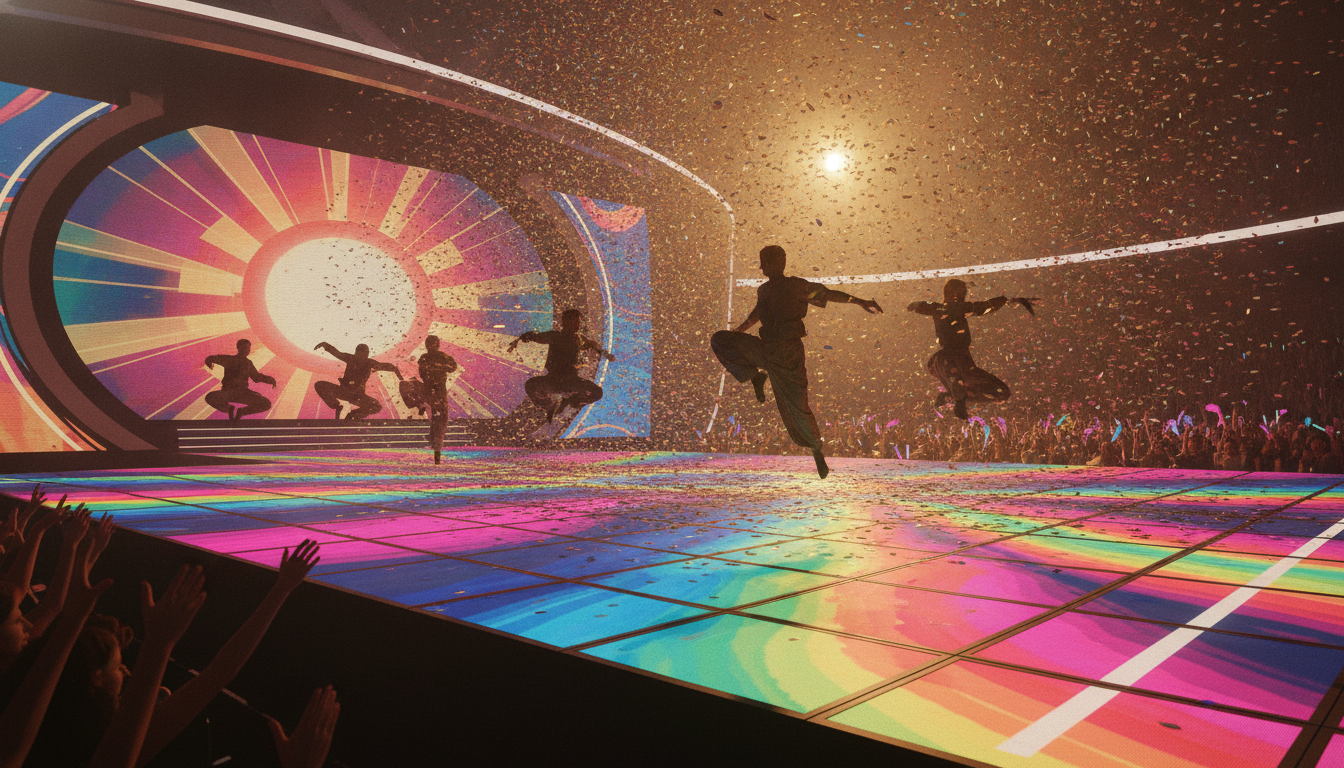
Hello, K-Pop Stans! Welcome back to K-Pop Daily Spotlight. It’s June 5th, 2026, and the summer comeback season is already heating up our playlists and our screens. Today, we’re zooming in on the explosive, intricate, and absolutely mesmerizing world of Korean idol dance choreography. It’s more than just movement; it’s a global language, a marketing powerhouse, and a form of high art that continues to evolve at a breakneck pace. The choreography we’re seeing in 2026 isn’t just an accessory to the music—it is the main event, transforming stages into cinematic experiences and turning fans into global participants. The level of precision, storytelling, and raw athleticism has reached a new peak, solidifying K-pop’s status as the ultimate audio-visual package.
The Architects Behind the Artistry
Let’s be real: the idols are the incredible performers, but the choreographers are the masterminds, the architects of these iconic movements. The era of the “celebrity choreographer” has fully bloomed in 2026, thanks in large part to the phenomenal impact of survival shows like Mnet’s Street Woman Fighter series. These platforms rightfully turned dance crew leaders into household names, and their influence is now stronger than ever.
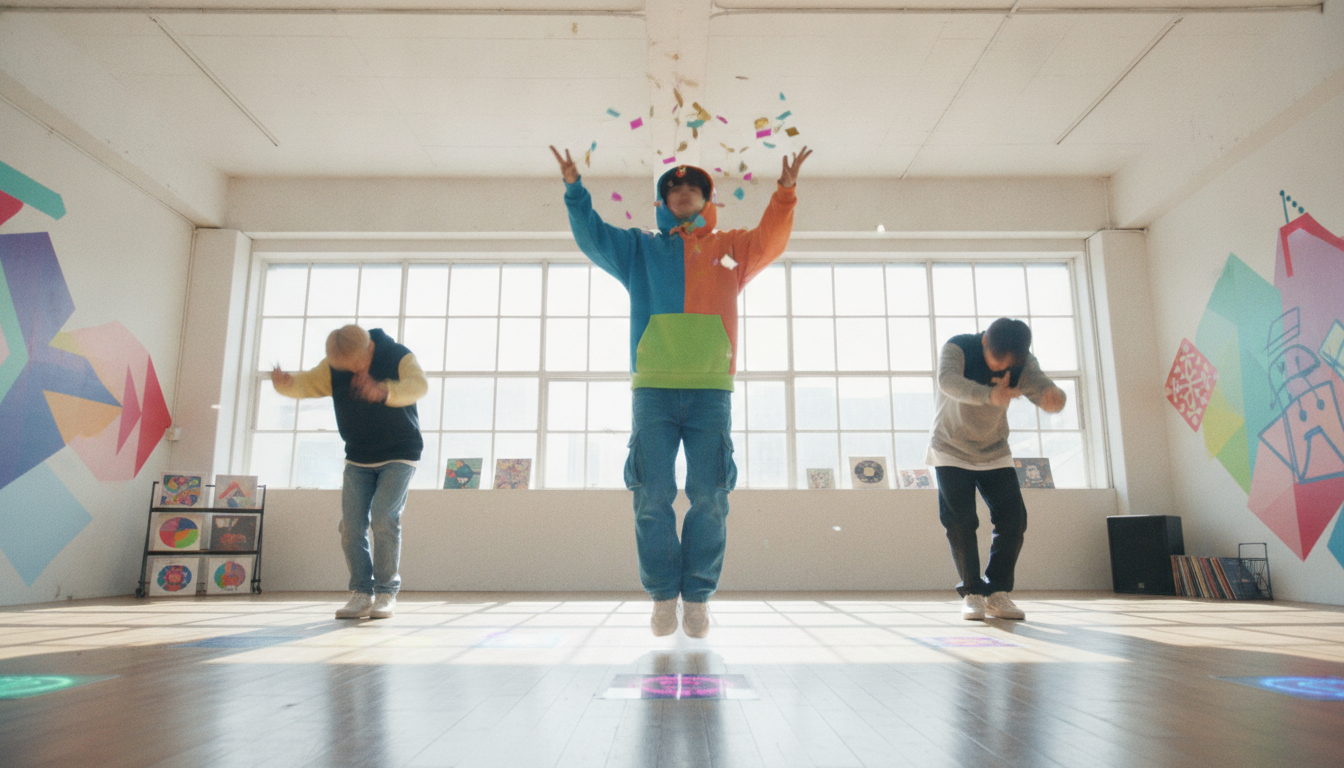
We’re seeing a new generation of choreographers who are as famous as the idols they work with. Take Bada Lee, for example. Her work has become synonymous with a sharp, powerful, and undeniably cool aesthetic. After creating iconic moves for groups like aespa with “Next Level” and “Savage,” her signature style continues to define the choreography of top-tier girl groups. Her ability to blend complex musicality with memorable, hard-hitting moves makes her one of the most sought-after creators in the industry.
Similarly, international crews like Jam Republic, fronted by the incredible Kirsten Dodgen, have infused K-pop with a global flavor. Their presence has pushed the boundaries, blending dancehall, hip-hop, and contemporary styles into the K-pop lexicon. This global collaboration isn’t just a trend; it’s the new standard. And of course, we can’t forget the institutions. Studios like the legendary 1MILLION Dance Studio, co-founded by the visionary Lia Kim, remain a powerhouse, consistently producing both top-tier choreographers and viral routines that take over the internet. These artists aren’t just making dances; they are crafting the physical identity of a group’s comeback.
The Science of the Viral Dance Challenge
If you’ve spent any time on TikTok or Instagram Reels this year, you’ve seen it: that one 15-second dance clip that is absolutely everywhere. This phenomenon is no accident. It’s the result of meticulously crafted “point choreography” (포인트 안무), a core tenet of K-pop that has been supercharged by social media. Point choreography is the art of creating a simple, catchy, and highly repeatable dance move that corresponds to the most memorable part of a song’s chorus.
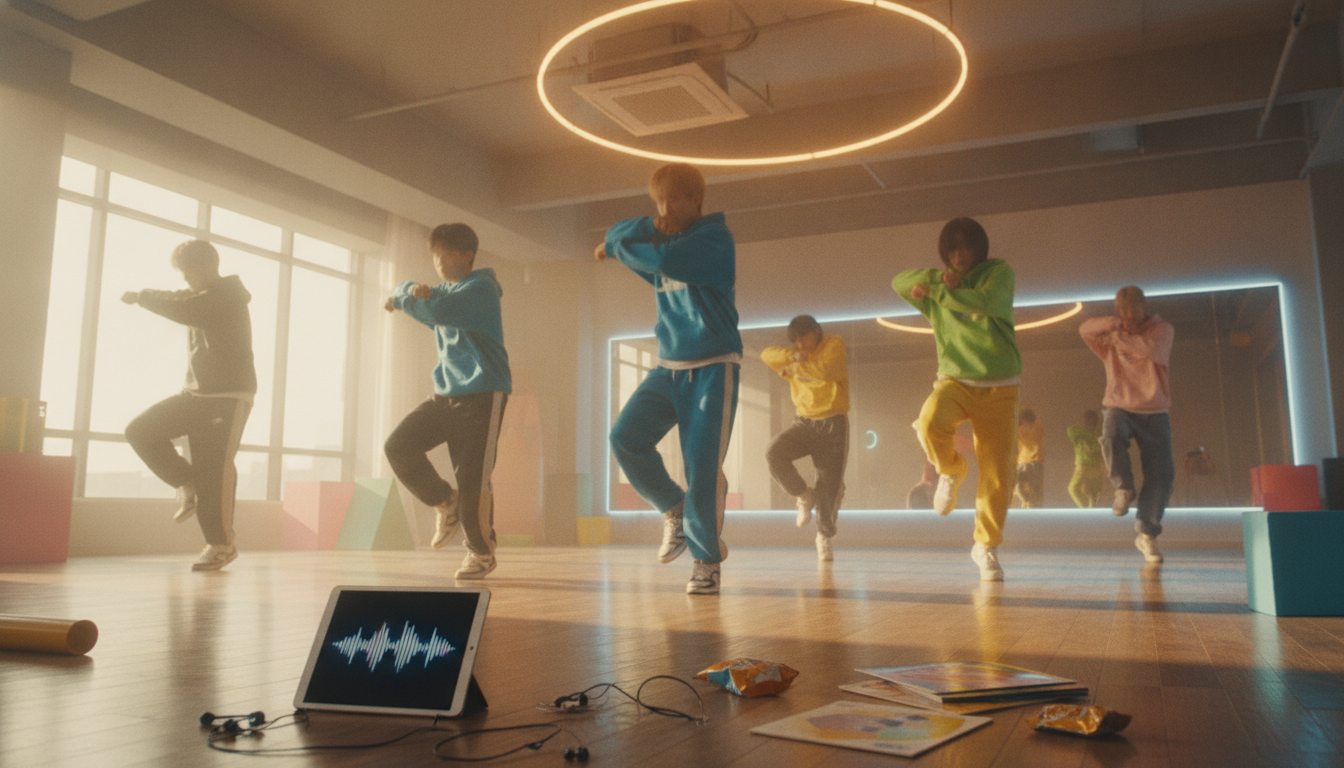
In 2026, this strategy has been perfected. Choreographers and artists now design these moves with virality in mind from day one. The goal is to make it easy enough for fans to learn quickly, yet unique enough to be instantly recognizable. Think about the biggest hits of the year so far. That hand gesture, that footwork, that little head tilt—it was engineered to be shared.
This turns every fan with a smartphone into a promotional powerhouse for the group. The dance challenge is no longer just a fun trend; it’s a crucial part of a comeback’s marketing plan. It creates a powerful sense of community and participation, allowing fans to feel directly connected to the artists and their music. It’s a symbiotic relationship: the song’s success is fueled by the challenge, and the challenge’s popularity drives the song up the charts. It’s a brilliant feedback loop that has become essential to launching a hit in the modern K-pop landscape.
More Than Moves: Choreography as Narrative
While viral moments are essential, the true depth of modern K-pop choreography lies in its ability to tell a story. The leading groups of 2026 are using dance to build entire worlds and convey complex emotions, elevating their performances from a concert to a piece of theater. The focus has shifted from just impressive synchronization to narrative-driven movement, where every formation change and gesture serves the song’s larger concept.
No one exemplifies this better than SEVENTEEN. With thirteen members, they use their sheer numbers not as a challenge, but as a canvas. Their performances are legendary for their musical-like staging, intricate formations, and seamless transitions that tell a story from the first beat to the last. They are known as “self-producing idols,” and their deep involvement in their own choreography allows them to weave their personal and group narrative into every step.
Similarly, groups like ATEEZ have built their entire identity around being “performance-dols.” Their choreography is aggressive, theatrical, and deeply tied to their ongoing lore. You don’t just watch an ATEEZ performance; you experience a chapter of their epic saga. The movements convey struggle, triumph, and defiance, making the audience feel the emotional weight of their music. This narrative depth is what creates die-hard fans and makes K-pop stages so compelling. It’s proof that choreography, at its highest level, is a powerful form of non-verbal storytelling that can resonate with audiences worldwide, regardless of language barriers.
Your Turn on the Dance Floor: Learning in 2026
Feeling inspired? The best part about the global K-pop phenomenon is how accessible it has become for fans who want to do more than just watch. Learning the actual choreography is a fantastic way to connect with the music on a deeper level and a great workout! Here’s your practical guide to getting started in 2026.
First, the internet is your best friend. YouTube is filled with countless “mirrored” dance tutorials, which are essential for learning correctly. Many creators also offer slowed-down versions to help you nail the details. For more structured learning, platforms like STEEZY Studio offer step-by-step classes from professional dancers, breaking down popular K-pop routines into manageable sections.
If you’re craving a live experience, look for K-pop dance workshops in your city. They’re becoming increasingly common worldwide. And if you ever find yourself in Seoul, taking a class is a must-do pilgrimage for any dance fan. A single drop-in class at a major studio like the aforementioned 1MILLION Dance Studio can cost around ₩35,000, offering you the chance to learn from the very people who might have choreographed your favorite song.
For at-home practice, here are a few quick tips: 1. Warm-up properly: K-pop choreo is athletic! Don’t skip stretching. 2. Master it in chunks: Don’t try to learn the whole dance at once. Focus on the first eight counts, perfect them, then move on. 3. Record yourself: It might feel awkward, but it’s the best way to see what you’re actually doing versus what you think you’re doing. You’ll catch mistakes and be able to correct your form.
Key Takeaways
The world of Korean idol dance choreography in 2026 is more dynamic than ever. Choreographers as Stars: The creators behind the moves, like Bada Lee and the teams at 1MILLION, are now celebrated artists in their own right, shaping the industry’s aesthetic. Engineered for Virality: The “point choreography” in dance challenges is a calculated and brilliant marketing tool designed for social media domination. Storytelling is King: Top groups like SEVENTEEN are using complex, narrative-driven choreography to build worlds and create deeper artistic experiences. You Can Join In: With a wealth of online tutorials and in-person classes available globally, learning K-pop dance is more accessible than ever for fans.
Found this helpful? Bookmark us! ⭐