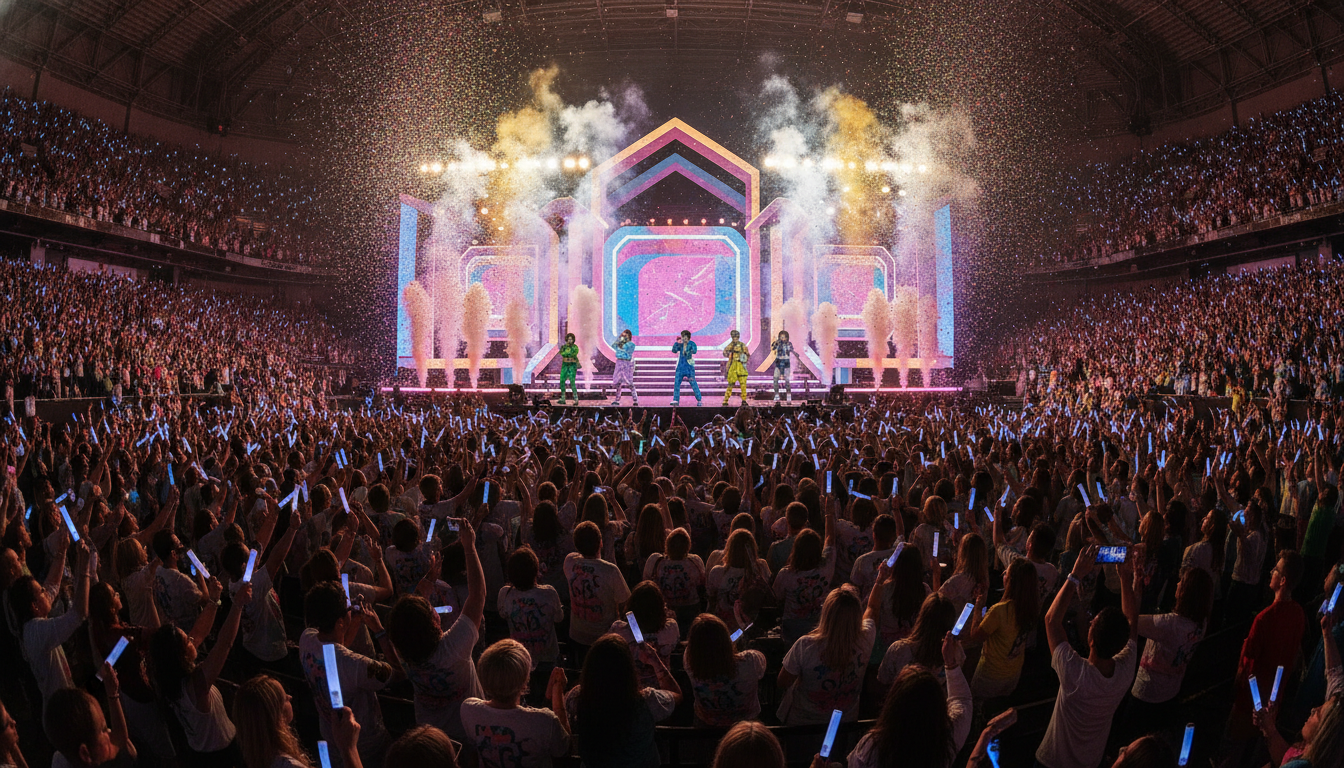
Imagine the roar of a stadium, not for a football team, but for a single artist. Now multiply that energy across the globe, culminating in the single most-watched sporting event on the planet. That is precisely where BLACKPINK’s Lisa is headed, set to take the stage at the 2026 FIFA World Cup opening ceremony. It’s a moment that feels both unbelievable and completely inevitable. For a group that smashed through the ceiling of what a K-pop act could be, conquering the world’s biggest stage is just the next logical step. This isn’t just a performance; it’s a coronation, a testament to a decade-long journey that reshaped pop culture in their image.
The Genesis of a Revolution
When BLACKPINK debuted in August 2016, the anticipation was almost crushing. YG Entertainment, their managing label, hadn’t launched a new girl group since the legendary 2NE1, and the industry was hungry for the next big thing. What they got was a cultural reset. Dropping two singles simultaneously, the moody, whistle-laced “Whistle” and the explosive, chant-driven “Boombayah,” Jisoo, Jennie, Rosé, and Lisa didn’t just arrive; they detonated. The group’s name itself was a mission statement: a deliberate contradiction designed to subvert the common perception of pink as merely pretty. Their “Black” side represented a fierce, bold confidence, while “Pink” embodied their more approachable, pop-friendly charm. This duality wasn’t just a marketing concept; it was the very DNA of their music, their fashion, and their personas, creating a perfect storm of aspirational cool and relatable charisma that immediately captivated a global audience.
Crafting a Global Sonic Identity
At the core of BLACKPINK’s meteoric rise is a sound that is instantly recognizable. For years, their music was primarily sculpted by producer Teddy Park, who crafted a signature formula of high-octane EDM, trap-infused beats, and earth-shattering bass drops, all tied together with devastatingly catchy, often English-language hooks. Think of it like a sonic battering ram wrapped in couture. Songs like “DDU-DU DDU-DU” and “Kill This Love” aren’t just tracks; they are events. They build tension with sparse verses, often showcasing Rosé’s unique vocal timbre or Jisoo’s stable melodies, before Jennie and Lisa unleash their rapid-fire rap flows, culminating in an explosive, dance-centric chorus designed to be screamed along to by thousands in a stadium. This structure became their calling card, a reliable dopamine hit for fans, known as BLINKs. While later projects like *The Album* and *Born Pink* explored different textures, from the disco-pop of “Lovesick Girls” to the raw rock energy of “Shut Down,” the fundamental essence of a BLACKPINK title track remains: powerful, unapologetic, and built for the global stage.
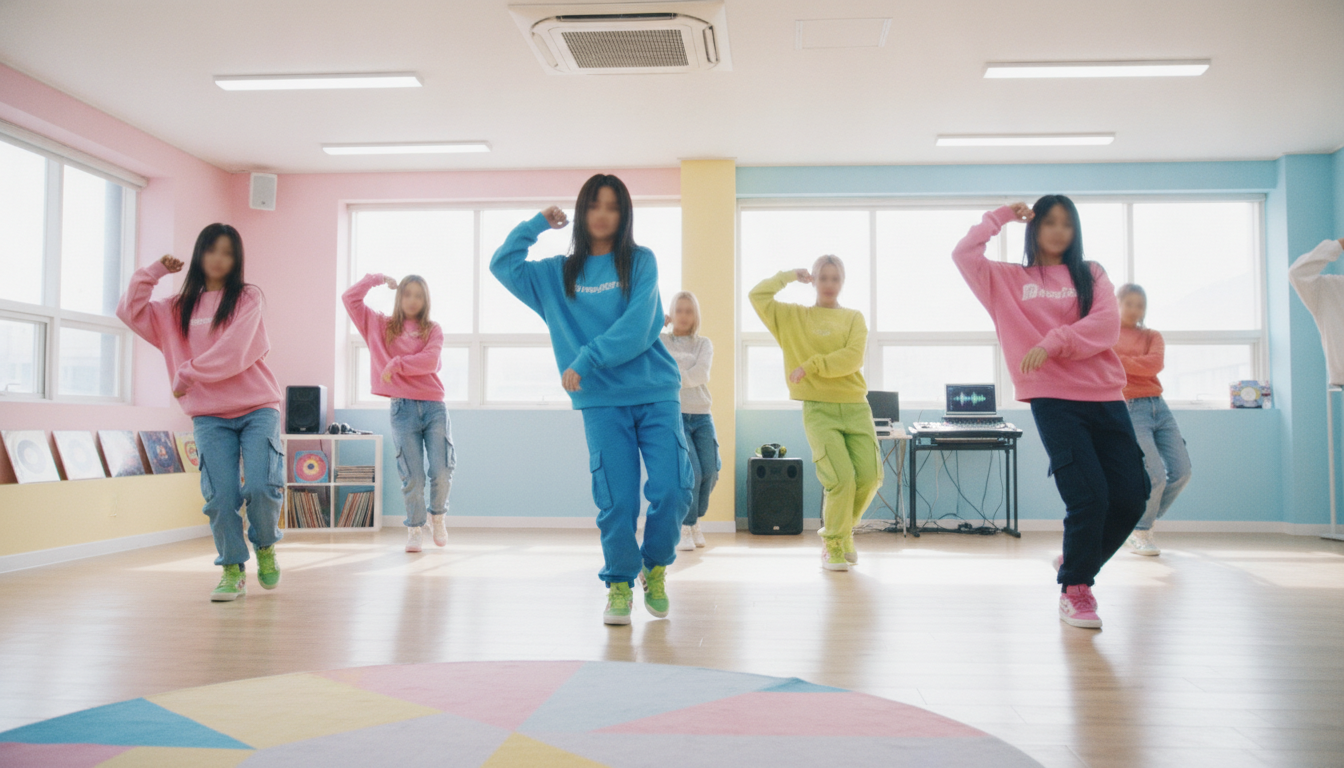
This sonic identity was never just about what you heard; it was about what you *saw*. BLACKPINK’s music videos are cinematic spectacles, each frame dripping with high fashion, elaborate set pieces, and an aura of untouchable glamour. They transformed the K-pop music video from a simple promotional tool into a major cultural event, with each release breaking viewership records within hours. Their choreography is just as iconic, filled with sharp, memorable moves—the finger guns of “DDU-DU DDU-DU,” the regal crown gesture in “How You Like That”—that are both complex enough to be impressive and simple enough for millions of fans to replicate in TikTok challenges. This visual prowess culminates in their live performances. For anyone lucky enough to see them live, perhaps at their historic 2019 Coachella set, the experience is transcendent. It’s a masterful display of stamina, vocal stability, and a stage presence so commanding it feels like it could generate its own electricity. They don’t just perform the music; they embody it.
That collective power on stage proved so immense that it inevitably created four distinct centers of gravity, each powerful enough to command its own orbit. In a move that has redefined longevity in K-pop, all four members have embarked on wildly successful solo careers while remaining a group. This isn’t the beginning of the end; it’s a strategic expansion of their empire. Each member has become a global ambassador for luxury fashion houses, from Chanel to Dior, Celine to Cartier. More recently, they’ve taken control of their own destinies. Jennie founded her own label, OA Entertainment (Odd Atelier), which reportedly earned an incredible 20 billion won in its first year, a testament to her sharp business acumen. Lisa is not only lighting up the World Cup but also slated to appear in a major television series, while Rosé and Jisoo are also pursuing solo music and acting under their own new ventures. This evolution from idols to individual CEOs and global artists is perhaps their most revolutionary act, creating a new blueprint for veteran groups to thrive and grow.
More Than Music: A Cultural Phenomenon
To measure BLACKPINK’s impact in album sales alone is to miss the point entirely. They are a multifaceted brand, a cultural force that connects music, fashion, and global performance. Their nomination for Best Female K-pop Artist at the American Music Awards is standard procedure at this point, but their real influence is seen in the way they’ve shifted the industry’s center of gravity. When Jennie was announced as a performer for Lollapalooza Chicago, it was treated not as a novelty but as a booking worthy of a major headliner, a direct result of the doors they kicked open at Coachella years prior. Their power is also tangible. A recent report on Korean cross-border sales highlighted that BLACKPINK merchandise was among the top global sellers, proving their fanbases’ immense loyalty and spending power. They don’t just have listeners; they have a dedicated, global community willing to invest in the brand. For longtime fans, this might feel like watching your favorite local band slowly but surely take over the world. They’ve become an institution, so much so that new girl groups from their own company are now positioned as their “heirs,” inheriting a legacy of global ambition that BLACKPINK fundamentally established.
Start Your Revolution
If you’re just now tuning into the BLACKPINK frequency, you might wonder where to begin. While their latest chart-topper is always a great entry point, to truly understand the lightning-in-a-bottle energy that made them icons, you have to see them live. Go to YouTube and watch their 2019 Coachella performance of “DDU-DU DDU-DU.” In those four minutes, you will witness everything: the world-class production, the flawless choreography, the individual charisma, and the raw, electrifying power of four women who knew they were on the verge of changing the world.