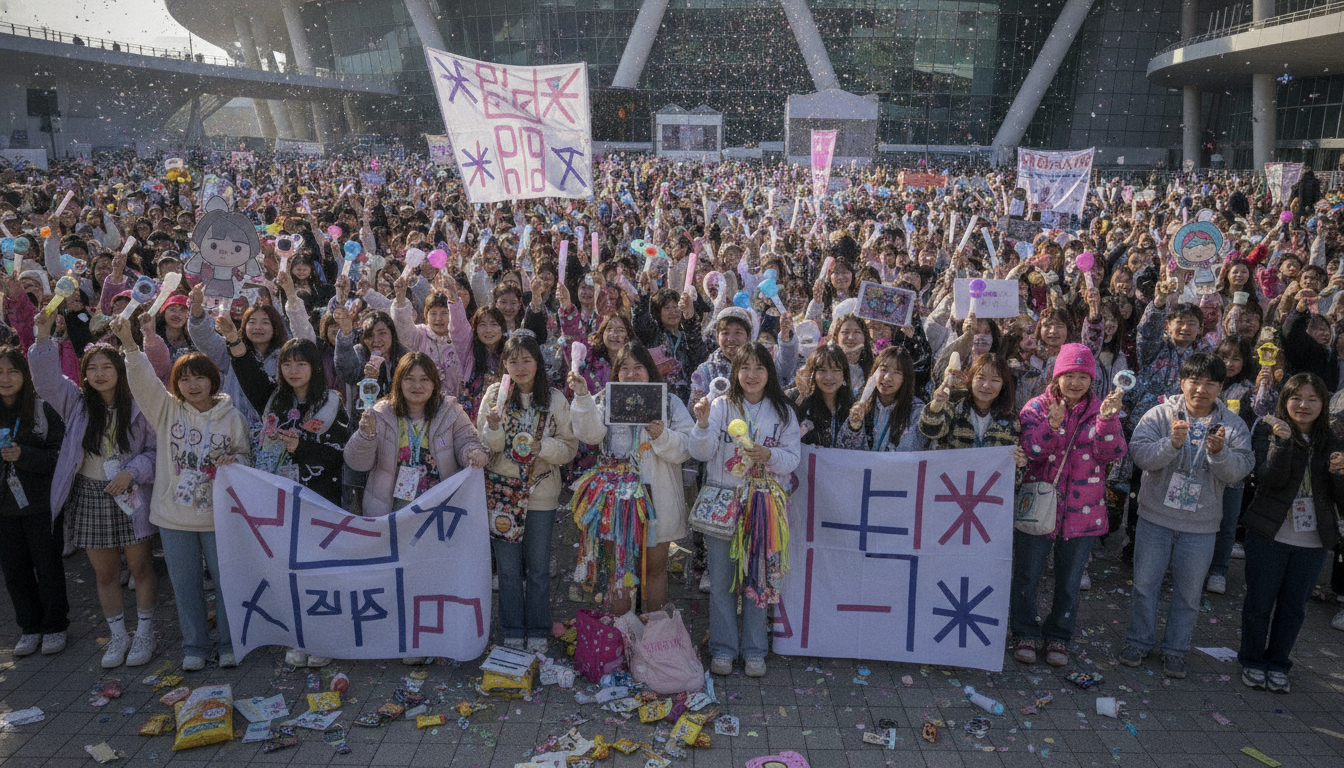
Hello and welcome to the K-Pop Daily Spotlight! If you’re reading this, you’ve likely fallen down the rabbit hole of mesmerizing choreography, incredible vocals, and captivating concepts. But you’ve also discovered that K-pop is so much more than just the music—it’s a vibrant, passionate, and ever-evolving global community. As we dive into mid-2026, the way fans connect with their favorite artists and each other has become more dynamic than ever. Whether you’re a brand new fan trying to figure out what a “bias” is or a veteran looking to get more involved, this guide is your go-to resource for navigating the wonderful world of K-pop fandom today.
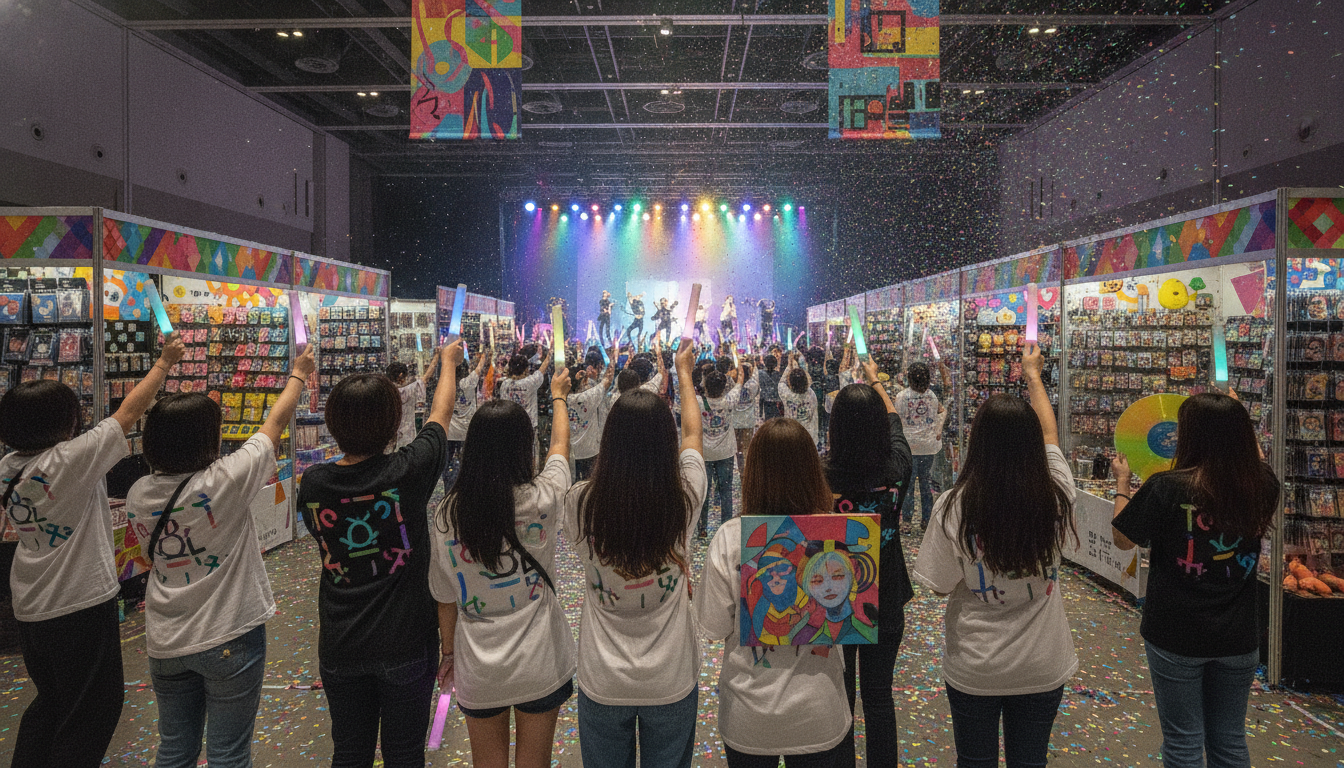
Being a fan is an interactive experience. It’s about celebrating milestones together, working towards common goals, and sharing a love that transcends language and borders. From digital platforms that bring you closer to your idols to the intricate art of album collecting, there are countless ways to participate. So, grab your favorite group’s lightstick, put on their latest title track, and get ready to explore the key pillars of K-pop fan culture in 2026.
The Digital Universe: Weverse, Bubble, and Beyond
In 2026, the heart of daily fan life beats online. The days of waiting for rare variety show translations are long gone; now, interaction is instant and immersive. The two titans of fan-artist communication are Weverse and Dear U Bubble. Weverse, originally launched by HYBE, has become a super-app for many fandoms. It fully integrated the features of the now-retired V LIVE, making it the primary hub for official announcements, exclusive video content, artist livestreams, and merchandise drops. Artists post personal messages, photos, and even reply to fan comments, creating a direct line of communication that feels both personal and communal.
On the other side of the spectrum is Dear U Bubble, a subscription-based service primarily used by artists from SM Entertainment, JYP Entertainment, and a growing list of other agencies. For a monthly fee, typically around $3.99 USD per artist, you receive private messages that feel like you’re personally texting with your idol. They share selfies, voice notes, and random thoughts about their day. While you can’t reply directly in a conversational way, your chosen username appears when they read messages, fostering a unique sense of intimacy. Beyond these platforms, social media remains essential. X (formerly Twitter) is the command center for organizing streaming parties, trending hashtags for comebacks and award shows, and sharing fan art. TikTok and Instagram Reels are the battlegrounds for dance challenges, while fan-run Discord servers and forums offer spaces for deeper community connection.
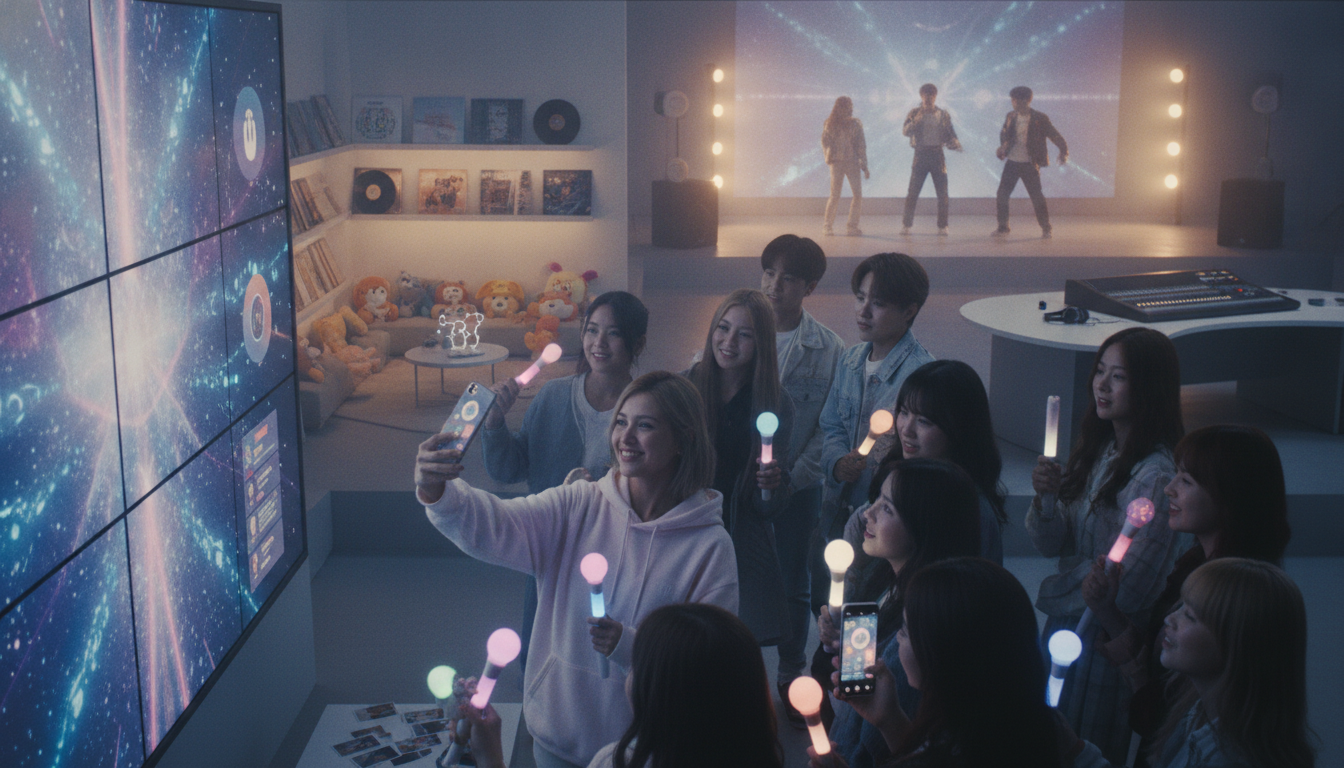
* Practical Tip: To make the most of these apps, turn on notifications for your favorite artists on Weverse so you never miss a surprise live stream. For Bubble, consider subscribing to just one or two members to start, as it can be a lot to keep up with!
Decoding the Comeback Cycle: A Fan’s Marathon
The “comeback” is the most exciting time in any K-pop fandom. It’s not just a new song release; it’s a meticulously planned, multi-week event that requires all hands on deck. The cycle begins with a storm of teasers. First come the concept photos, revealing the aesthetic of the new era. These are followed by a tracklist, an album packaging preview, and a “highlight medley” or “album spoiler” that gives fans a snippet of each new song. The climax is, of course, the music video and album drop.
This is when the fandom mobilizes. The first 24 hours are critical for breaking records on platforms like YouTube. Fans organize streaming playlists and goals to maximize views. Simultaneously, the focus shifts to digital music platforms in Korea (like Melon and Bugs) and globally (like Spotify and Apple Music). The goal is to chart high, which is a key factor in winning on weekly music shows. These shows, like M Countdown, Music Bank, and Inkigayo, are the main promotional stage. Winning a “first win” for a new song is a massive achievement, and it’s determined by a combination of digital streams, physical album sales, social media points, and fan voting (both pre-voting and live). Physical album sales are tracked by the Circle Chart (which was rebranded from the Gaon Chart), and achieving “million-seller” status is a huge benchmark of success for any group.
* Practical Tip: Find a major fan account or “fanbase” for your group on X (Twitter). They will post detailed schedules, streaming guides, and voting tutorials for every comeback, making it easy to know how you can best contribute.
The Art of Collecting: Photocards and Lightsticks
K-pop has perfected the art of physical media in a digital age. An album isn’t just a CD; it’s a collectible art piece. Each version of an album comes with a unique photobook, posters, stickers, and the most coveted items of all: photocards. These small, wallet-sized photos of the members are randomly inserted into albums, creating a massive trading culture. Fans buy multiple copies of an album to try and collect all the members’ cards or trade their duplicates online to complete their set. The “photocard economy” is a fascinating subculture with its own etiquette for trading, selling, and ensuring cards are kept in pristine condition.
The ultimate symbol of a fandom, however, is the official lightstick. Each group has a uniquely designed lightstick with a specific name and color. For example, SEVENTEEN’s is the “CARAT Bong,” and TWICE’s is the “Candybong.” These aren’t just flashlights; modern lightsticks are equipped with Bluetooth technology. At a concert, the venue can sync every lightstick in the audience, creating breathtaking, coordinated light shows and “oceans” of color that pulse in time with the music. Owning a lightstick is a rite of passage, a tangible connection to both the artist and the thousands of other fans sharing the experience with you. It’s a beacon that says, “I am here, and I am part of this family.”
* Practical Tip: When trading photocards online for the first time, look for traders with existing “proofs” (screenshots or photos of successful past trades). Always communicate clearly about the card’s condition and agree on shipping methods beforehand.
From Arenas to Cafes: The In-Person Experience
While the digital world is where fandom lives daily, nothing beats the energy of an in-person event. The ultimate experience is, of course, a concert. Seeing your favorite group perform live, surrounded by thousands of fans singing along to every word and executing perfect fanchants, is an unforgettable thrill. The moment the lights dim and the entire arena glows with the light of thousands of synced lightsticks is pure magic. It’s a powerful reminder of the collective passion that fuels K-pop. The history of this passion runs deep; fans today are standing on the shoulders of those who, for example, passionately voted to help BTS secure their very first Daesang (Grand Prize) at the 2016 Melon Music Awards, a pivotal moment that reshaped the industry.
Beyond massive world tours, there are also fanmeets, which are more intimate events focused on games, Q&A sessions, and artist-fan interaction. But perhaps the most unique aspect of K-pop fan culture is the fan-organized event. The most popular of these are “cupsleeve events,” which are held at local cafes to celebrate an idol’s birthday or a group’s anniversary. Fans design custom cup sleeves that are given out with drink purchases, decorate the cafe with photos and banners, and trade fan-made freebies. It’s a grassroots celebration that fosters local community and allows fans to connect with one another in a creative and fun way. These events have become a global phenomenon, happening in cities from Seoul to São Paulo.
* Practical Tip: To find cupsleeve events near you, search on Instagram or X for hashtags like `#[IdolName]Bday` or `#[GroupName]Anniversary` combined with your city name. Event organizers usually post all the details, including dates, times, and location.
Key Takeaways
Go Digital: Your fan journey in 2026 starts online. Get familiar with platforms like Weverse and Bubble to connect directly with artists, and use social media to connect with fellow fans. Embrace the Comeback: The comeback season is the peak of fan activity. Participate by streaming, voting, and cheering your group on during their promotions. Collect with Joy: Physical albums, photocards, and lightsticks are more than just merchandise; they are tangible pieces of your fan experience and a way to support your favorite artists. Connect in Person: Whenever possible, attend concerts, fanmeets, or local cupsleeve events. The communal energy of sharing your passion with others is what makes K-pop fandom so special.
Found this helpful? Bookmark us! ⭐