The global stage is no longer a distant dream for K-pop; it’s their second home. From sold-out world tours to headlining major festivals, our favorite idols are consistently proving their undeniable impact on the international music scene. And as we look towards future grand spectacles, particularly the pinnacle of global sports, the FIFA World Cup, it’s clear that K-pop artists aren’t just contenders for performance slots—they’re the main event. It’s 2026, and the Hallyu wave is less a wave and more a tidal surge, reshaping how the world experiences music and culture.
The Unstoppable Global Ascent of K-Pop
Honestly, it feels like just yesterday we were celebrating K-pop acts making their first tentative steps onto Western stages. Now, it’s a given. Take Golden, for instance, who significantly “lifted K-pop’s profile at the Grammy Awards” earlier this year, as reported by The Korea Economic Daily Global Edition on February 2, 2026. This isn’t just about nominations; it’s about the industry acknowledging their artistic merit and global resonance. Beyond awards, the sheer scale of their live presence is breathtaking. Blackpink, our queens, made history as the “first K-pop artist to headline a main stage at a major U.S. music festival,” as noted on May 12, 2026. This wasn’t a side stage or a brief appearance; it was the main stage, a testament to their drawing power and the massive global fandom they command.
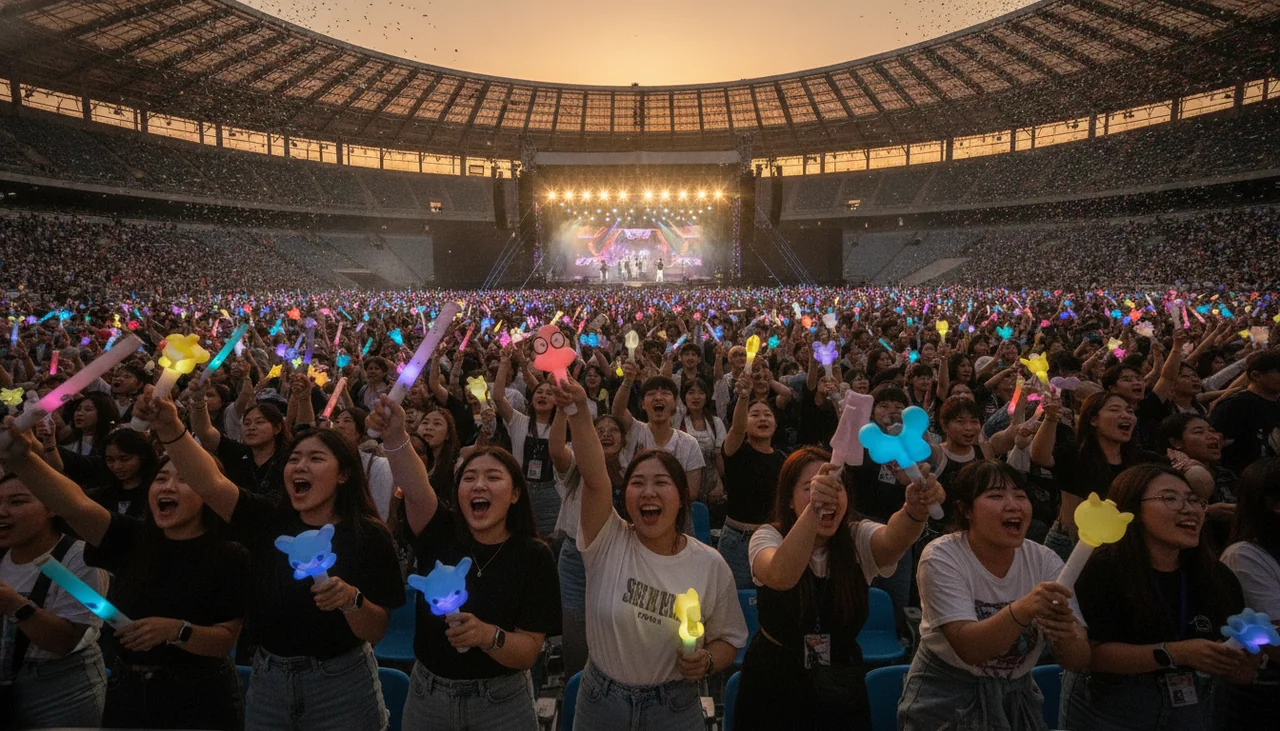
And it’s not just established giants. The new generation is already making waves, with groups like Illit and aespa facing off for ‘K-Pop Artist’ Honors at the American Music Awards this past April 15, 2026, according to 매일경제. This continuous recognition across prestigious Western award shows underscores K-pop’s deep integration into the global music landscape. When we think of artists ready to captivate billions, K-pop’s track record on these monumental stages speaks for itself. The conversation around “What’s left for BTS to conquer” after the Super Bowl, Coachella, and Grammys, as discussed on May 12, 2026, perfectly encapsulates the kind of mainstream profile these artists now wield, making them prime candidates for any major global event.
From Seoul to the World: Idols as Cultural Ambassadors
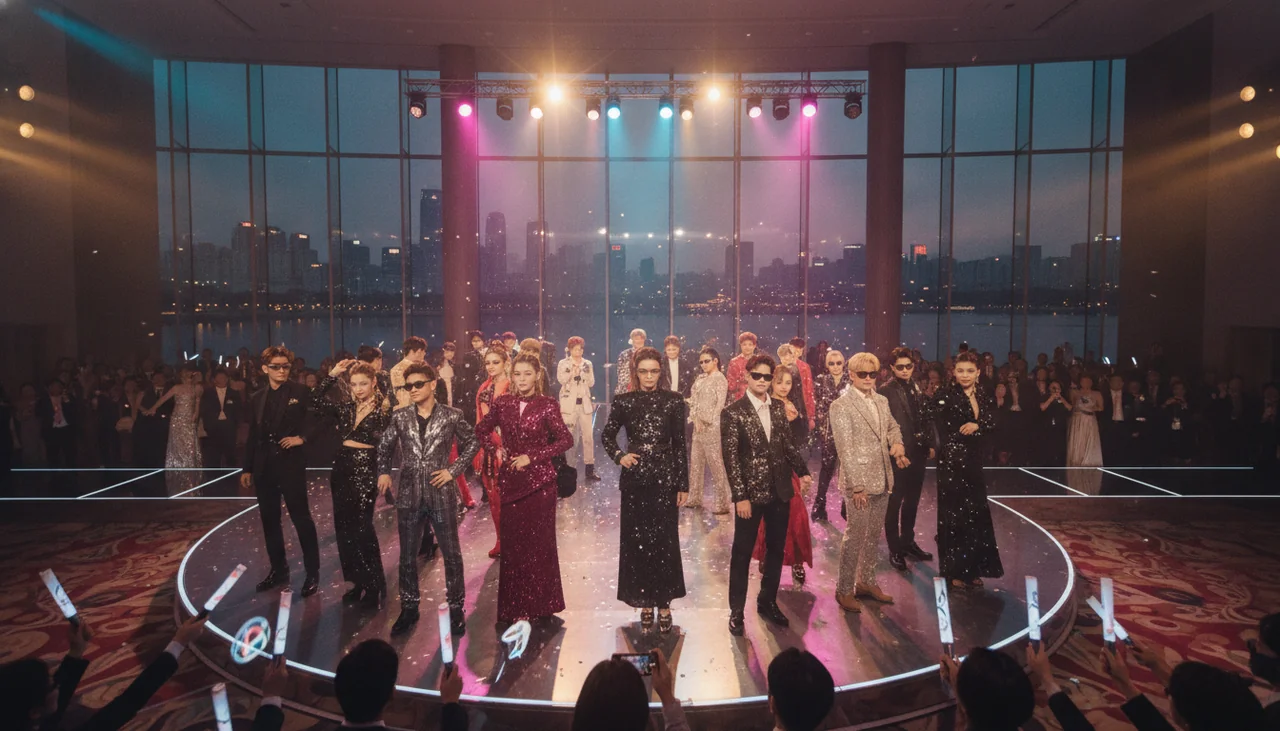
What stands out is K-pop idols’ unique ability to transcend entertainment and become genuine cultural ambassadors. Their influence extends far beyond music charts, permeating fashion, art, and even international diplomacy. Last year, in late 2025, we saw icons like G-Dragon and Cha Eun-woo absolutely “steal the show at the Apec gala,” captivating dignitaries and media alike, as reported by the South China Morning Post on November 1, 2025. These aren’t just performances; they’re cultural statements, showcasing the vibrancy and appeal of Korean culture on a global political stage.
Jennie, a true trailblazer, has not only built a formidable solo career but also established her own label, OA Entertainment, which saw her take home an impressive “20 billion won” this year, as reported on May 10, 2026. Her global profile is undeniable, and she was notably “the only K-pop artist named to TIME” in a recent list, further cementing her status as a global influencer. This kind of individual global reach, coupled with group power, makes K-pop artists unparalleled choices for events like the World Cup, which demand universal appeal. Even outside the industry, K-pop’s cultural impact is evident; Bulgarian dancer Claudia Petzova’s interest in Korea began after watching a K-pop boy group performance, according to an April 21, 2026 report, highlighting how these performances spark global curiosity and connection.
Fandom Power: The Engine Behind Global Stages
Behind every sold-out stadium and every trending hashtag is the unparalleled power of K-pop fandoms. We aren’t just listeners; we’re active participants, driving streams, purchases, and global visibility. The numbers don’t lie: Chartmetric’s 2025 Year in Music Industry Report, released on January 27, 2026, highlighted by Music Business Worldwide on February 12, 2026, revealed that “songs are reaching 1bn Spotify streams 14x faster than a decade ago.” This incredible acceleration is fueled directly by dedicated fanbases, who organize streaming parties, create viral content, and make sure their idols dominate global conversations.
Weverse, our beloved fan-artist communication platform, exemplifies this tight-knit community, allowing idols to connect directly with fans and mobilize support. From organizing massive lightstick ocean events at concerts to coordinating comeback goals, fandoms are a force. This collective energy translates into tangible global reach; when an idol takes a stage, they don’t just bring themselves—they bring millions of passionate fans who will amplify the performance across every social media platform imaginable. This organic, global marketing is invaluable for any major event seeking maximum impact and engagement. The sheer number of active, engaged fans ensures that any K-pop performance at the World Cup would immediately become a worldwide trending topic, generating unparalleled buzz.
The Performance Factor: Why K-Pop Stages Are Unmatched
Let’s be real: K-pop performances are an experience. They are meticulously crafted spectacles of artistry, athleticism, and pure entertainment. From the synchronized, powerful choreography that goes viral as fancams, to the stunning visuals and live vocals, K-pop groups deliver a full package that is simply unmatched in its consistency and quality. Personally, I think this commitment to excellence is what truly sets them apart. We’ve seen how university festivals featuring “similarly high-profile lineups can easily cost around 150” for tickets, as reported on June 6, 2026, underscoring the perceived value and demand for these top-tier performances and the artists that deliver them.
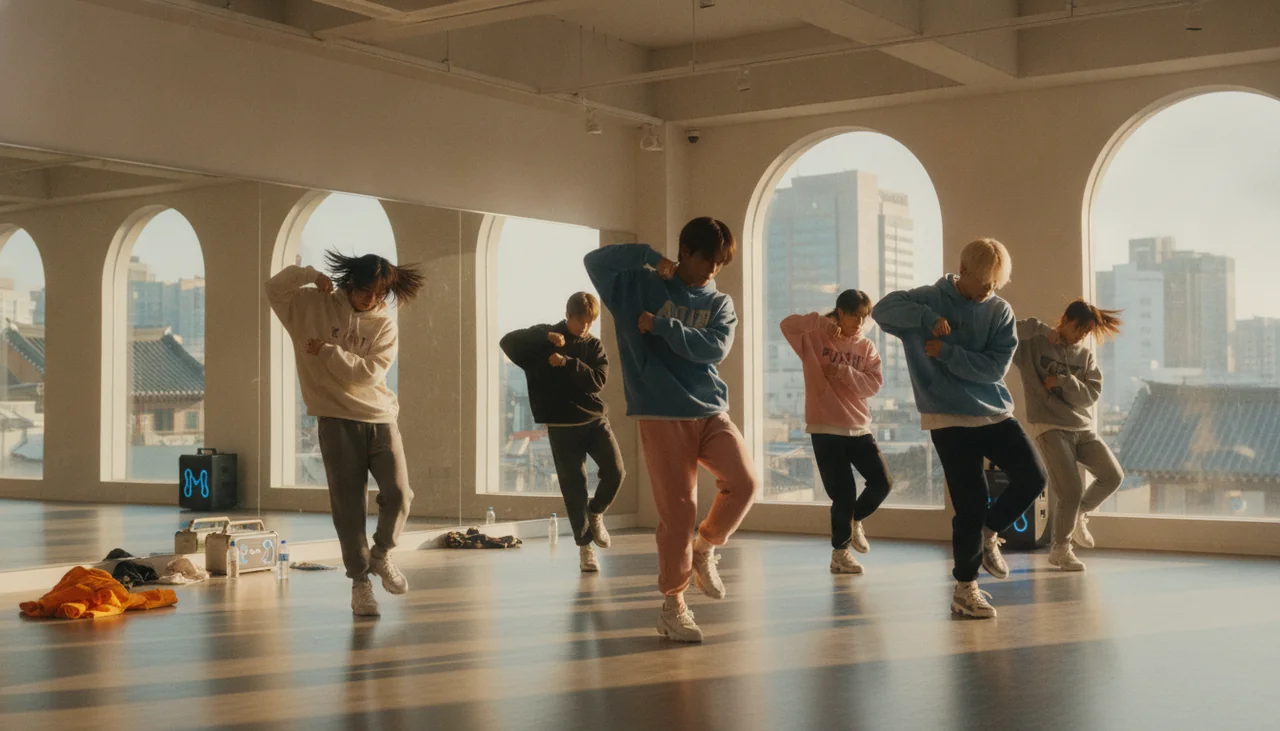
These aren’t just artists singing; they are performers who tell stories with their bodies, engage with the crowd, and leave an indelible impression. The energy and precision required for a K-pop stage are immense, and idols train relentlessly to deliver flawless shows. This dedication to their craft ensures that a K-pop performance at an event like the World Cup wouldn’t just be a musical interlude; it would be a breathtaking showstopper, capable of captivating a diverse, global audience of billions, regardless of language barriers. Every detail, from the stage production to the intricate formations, is designed to create an unforgettable moment, showcasing the peak of performance artistry.
What’s Next? K-Pop’s World Cup Vision
Bringing it all together, the question isn’t whether K-pop artists should perform at the FIFA World Cup, but rather, how many and when? Their proven global appeal, their ability to act as cultural bridges, the unparalleled power of their fandoms, and their consistently spectacular performances make them the ideal choice for an event that celebrates global unity and passion. Imagine the thrill of seeing a daesang-winning group command the opening ceremony stage, their lightsticks creating a shimmering ocean in the stadium. The energy would be electrifying.
Artists like Mark, formerly of NCT, who is reportedly “eyeing a US solo career” after departing SM Entertainment this May (May 12, 2026), exemplify the individual global ambitions that mirror the industry’s collective drive. Even groups like Ateez, who were “looking for a Grammy breakthrough” in late 2025 (Gold Derby, Sep 12, 2025), are part of this continuous push for global recognition and impact. The World Cup offers an unparalleled platform to showcase K-pop’s unique blend of music, dance, and cultural exchange to billions worldwide, solidifying its status as a truly global phenomenon. It would be a moment of collective celebration, uniting fans of music and sport alike, making it an absolute must-have for the biggest global stage.
Quick Summary
K-pop’s global ascent, fueled by dedicated fandoms and exceptional performances, makes its artists perfect for the FIFA World Cup stage. From Grammy recognition (Golden, Feb 2026) and headlining major US festivals (Blackpink, May 2026) to acting as cultural ambassadors (G-Dragon, Cha Eun-woo at APEC 2025; Jennie named to TIME), K-pop has proven its universal appeal. The immense power of fandoms, driving billions of streams (Chartmetric 2025 report, Feb 2026), ensures massive engagement. With their unparalleled stage presence and high-quality productions, K-pop idols are not just performers but cultural phenomena ready to captivate billions. As fans, continuing to stream, engage on platforms like Weverse, and support official comebacks are crucial steps in solidifying their place on every global stage, including the World Cup, offering an unforgettable spectacle that transcends language and borders.
Found this helpful? Bookmark us! ⭐