Walking through Hongdae’s neon-lit alleys, you overhear a group of teens rapping NewJeans’ “Attention” in flawless Korean, their pronunciation sharper than many language app tutorials. This isn’t a coincidence—K-pop has quietly become the world’s most infectious language teacher, turning catchy choruses into vocabulary lessons and dance breaks into grammar drills. For millions, learning Hangul starts not with textbooks but with lyrics scribbled on notebooks during school breaks or decoded via YouTube captions during lunch.
The connection between K-pop and language learning feels almost accidental but is deeply intentional. Since BTS’s “Dope” dropped in 2015 with its slang-heavy verses, fans worldwide have dissected songs for colloquial phrases, slang, and cultural references. Groups like Stray Kids and (G)I-DLE pepper tracks with idioms and wordplay that force listeners to pause, look up meanings, and replay lines—transforming casual streams into study sessions. Even K-pop’s repetitive choruses serve a purpose: “Love Scenario” by iKON or “Celebrity” by IU become earworms that drill vocabulary into memory through sheer repetition.
What makes this phenomenon unique is how language acquisition blends with fandom rituals. Fans chant (synchronized cheers yelled during live performances) at concerts, memorizing sentence fragments they’ll later piece together. Social media amplifies this—Twitter threads dissecting LE SSERAFIM’s “Eve, Psyche & The Bluebeard’s Wife” might explain the nuance of “미쳐” (michyeo) or debate the double meaning of “악마” (devil). Reddit communities share Spotify playlists tagged with grammar notes, while TikTokers create 60-second videos breaking down honorifics in BTS’s “Spring Day.” The music itself acts as a gateway, but the global fanbase turns every lyric into a lesson plan.
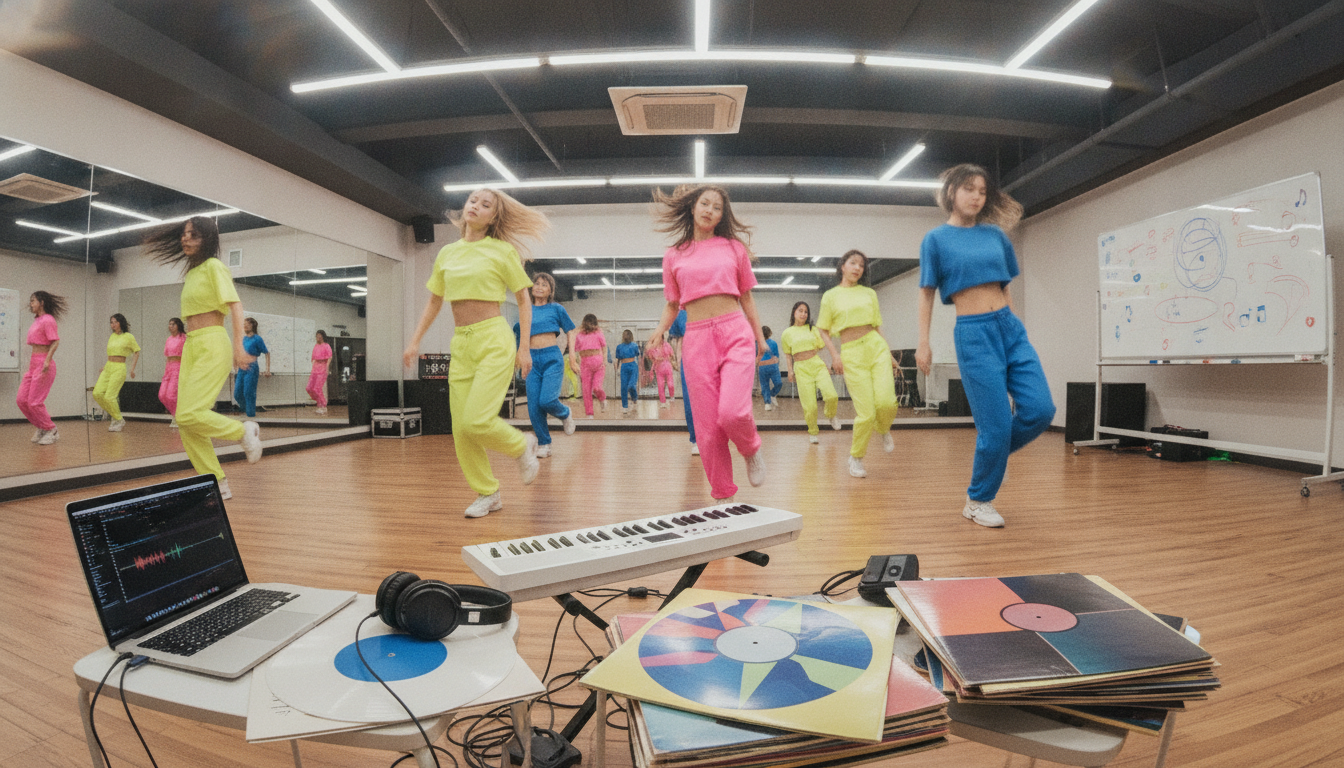
Behind the scenes, agencies recognize this cultural ripple effect. Hybe’s Weverse platform now includes English-Korean lyric translations with pronunciation guides, while SM’s Culture Technology initiative develops apps that teach language through dance tutorials. Even K-pop variety shows like *Run BTS!* or *Idol Radio* get repurposed as listening practice—fans transcribe conversations, note filler words like “음…” (eum…), and mimic intonation. It’s a symbiotic relationship: artists gain global reach, while learners get context-rich material that textbooks can’t replicate. For longtime K-pop stans, this might feel like a natural evolution, but for language educators, it’s revolutionary.
The impact stretches beyond individual fans. Korean language course enrollments surged 40% globally between 2019 and 2023, with institutions like Seoul National University citing K-pop as a primary motivator. Travel agencies report clients requesting “K-pop language immersion” tours, mixing studio visits with dialect workshops in Busan or Jeju. Brands like Duolingo have partnered with agencies for themed lessons, while Netflix’s *Hwarang* or *Crash Landing on You* get studied for dialogue patterns. It’s not just about learning words—it’s about accessing a culture that feels intimate yet vast, where every song lyric is a door.
So next time you press play on IVE’s “After LIKE,” don’t just bob your head—pause at the pre-chorus. Notice how “넌 내꺼야” (neon naekkwaya) translates to “You’re mine” but carries possessive nuance lost in direct translation. Scroll the comments section: fans from Mexico to Oslo will debate the same line, sharing regional slang comparisons. Follow @kpop_korean on Instagram for daily lyric breakdowns or subscribe to “Seoulistic” on YouTube for grammar-in-song deep dives. Your favorite chorus? It’s already your cheat sheet.
K-pop Korean learning tips