The neon glow of Hongdae’s streets pulses through rain-slicked sidewalks, where a group of teens in oversized hoodies and platform sneakers huddle around a street food cart. One dips crispy chicken into sweet sauce while the others debate the latest BTS styling—those bucket hats, the layered necklaces, the way Jimin’s socks always peek just so. This is Seoul’s heartbeat: a city where K-pop stars don’t just perform—they set fashion law, turning subway ads, café tables, and even delivery boxes into runways. What makes this even more striking is how effortlessly these trends bleed into everyday life. A high schooler in Busan might rock a T-shirt from a girl group’s merchandise line while a New Yorker queues for a sold-out Blackpink collaboration at Coachella. K-pop isn’t just music; it’s a wardrobe upgrade, a cultural passport, and a silent language spoken fluently in every corner of the globe.
To understand why, it helps to trace the roots of this sartorial takeover. K-pop’s fashion evolution mirrors South Korea’s rapid modernization—a country that traded hanboks for hanseos in decades, then exploded into global style dominance. Early 2000s groups like TVXQ and Girls’ Generation balanced polished suits with experimental cuts, but it was BTS and BLACKPINK who shattered boundaries. Their looks—mixing streetwear with high fashion, gender-fluid silhouettes, and bold accessories—became blueprints for fans worldwide. Brands took notice: Louis Vuitton tapped BTS for campaigns, while Adidas collaborated with BLACKPINK for sneakers that sold out in minutes. This isn’t just merch; it’s a symbiosis where music and fashion fuel each other’s revolutions.
Behind the scenes, Korean fashion’s rise is a meticulously choreographed dance. Stylists treat each concept photo and music video like a silent film—every texture, color, and prop tells a story. Take NewJeans’ retro ’90s aesthetic: cropped tops, low-rise jeans, and vintage windbreakers didn’t just revive a decade; they reimagined it through a hyper-modern lens. Meanwhile, agencies like SM Entertainment invest in in-house design teams, ensuring groups’ styles align with their musical narratives. A group’s “concept” isn’t just a gimmick; it’s a fully realized universe where fashion becomes character development. For longtime fans, this might feel like the natural progression of a culture that’s always valued visual storytelling, from traditional pansori performances to today’s AR concerts.
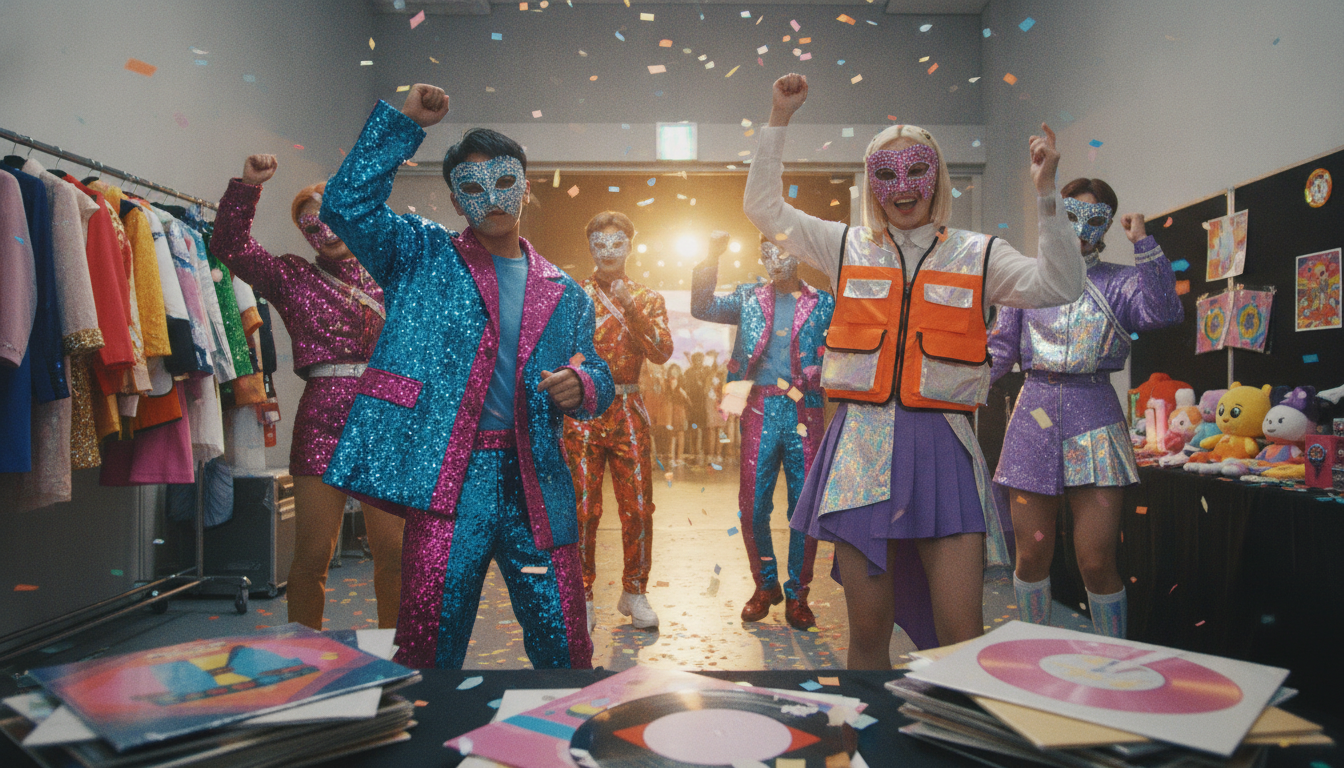
The global impact is impossible to ignore. In Tokyo’s Harajuku, London’s Camden, and Miami’s Wynwood, K-pop-inspired looks dominate. Thrift stores sell out of vintage Korean windbreakers, while TikTok tutorials teach fans how to layer like Stray Kids or accessorize like (G)I-DLE. Even language barriers fade when a fan in Brazil pairs a TWICE hoodie with local streetwear—or when a Parisian designer cites K-pop as inspiration. It’s a bit similar to how hip-hop influenced fashion in the ’90s, but faster, more visual, and infinitely more collaborative. Brands now court groups not just for endorsements but for creative partnerships, blurring lines between celebrity and curator.
For those ready to dive in, start with NewJeans’ “Ditto” music video—a masterclass in ’00s nostalgia meets futuristic minimalism. Follow Seoul-based influencers like Hong Cha or Pony Park for real-time trend updates. Better yet, visit a Korean fashion market in your city or shop online at brands like Musinsa, which stocks everything from indie labels to K-pop collabs. K-pop’s style revolution isn’t a passing phase; it’s a movement where every fan becomes a trendsetter, and every outfit tells a story written in beats and sequins.
K-pop fashion trends 2024