You know that feeling, right? You’re listening to a song for the hundredth time, the melody and rhythm are part of your DNA now. But then, one day, it clicks. A word you’ve been hearing for months, one you saw in a subtitled variety show last week, suddenly lands with its full meaning. It’s not just a sound anymore; it’s a feeling, a picture, a complete thought. In that quiet, personal moment of understanding, you’ve crossed an invisible bridge, and K-pop has become more than just music—it’s become your guide.
This experience is the start of a journey for millions of fans across the globe. What begins with a captivating music video or a perfectly synchronized dance break slowly blossoms into a genuine connection with an entire culture. K-pop, in its vibrant, all-encompassing way, doesn’t just entertain; it teaches. It serves as an unofficial, incredibly effective language and culture curriculum, powered not by homework and deadlines, but by sheer passion and curiosity. This isn’t about rote memorization from a textbook; it’s about absorbing a culture organically, one song, one livestream, one fan chant (a synchronized cheer fans yell during songs) at a time. The desire to understand what your favorite idol is really saying, to catch the nuance in their jokes or the raw emotion in a ballad, becomes a powerful motivator.
What makes this cultural immersion so profound is how seamlessly it weaves language into daily life. At first, it’s the simple greetings and expressions you pick up: *annyeonghaseyo* (hello), *kamsahamnida* (thank you), and the ever-present *saranghae* (I love you). Soon, you start recognizing words that describe feelings, like *dapdaphae* (frustrated/stifled) from a rap verse about feeling trapped, or *seolle* (a fluttering heart) from a sweet love song. These aren’t just vocabulary words; they are emotional keys. They unlock a deeper layer of the art, allowing you to appreciate the clever wordplay of a rapper like Agust D or the poetic vulnerability in lyrics written by IU. It’s a bit like watching a movie in black and white for years and then suddenly seeing it in brilliant color. The story was always there, but now you can perceive every shade and hue.
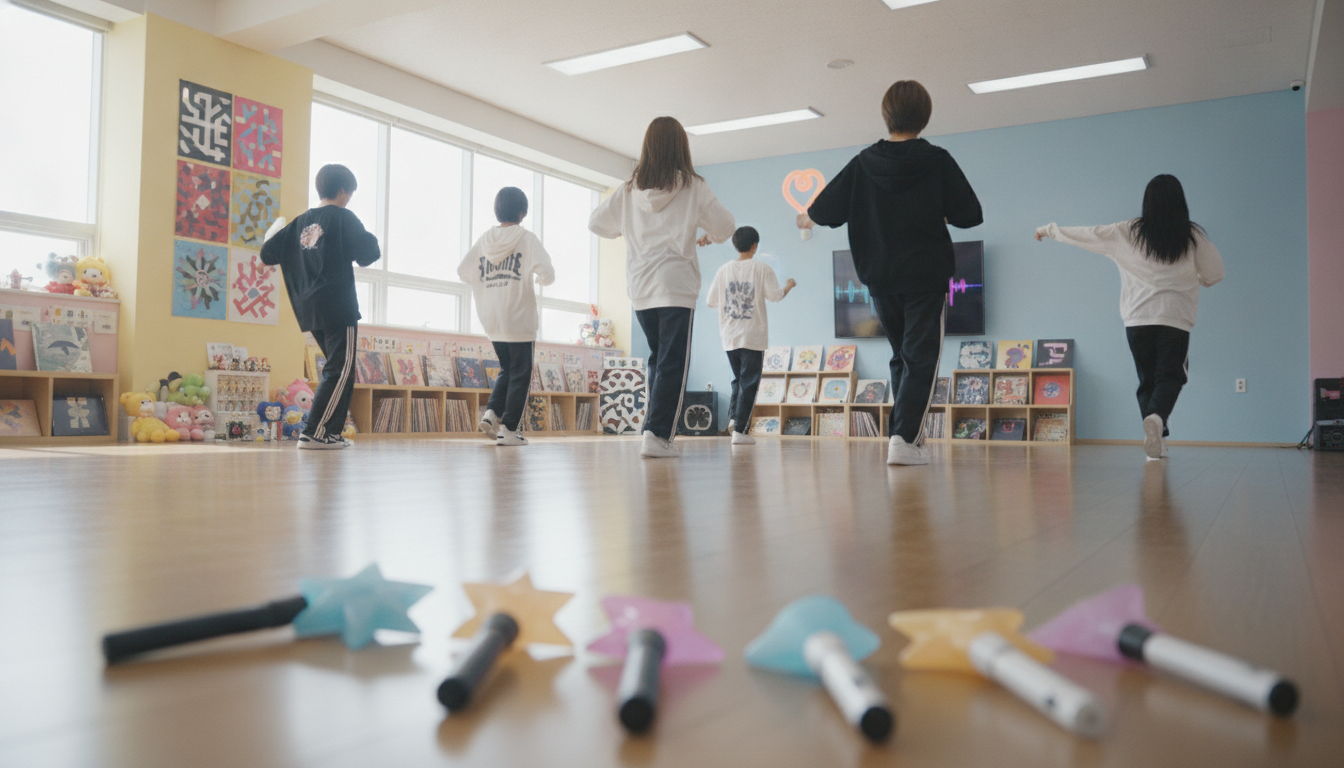
This newfound linguistic key doesn’t just unlock song lyrics; it opens the door to the Korean dinner table. Think of all the times you’ve watched an idol’s mukbang (eating broadcast) on a platform like Weverse. They aren’t just eating; they are narrating a feast. You hear them exclaim over the sizzle of *samgyeopsal* (grilled pork belly) on the grill, describing it as *jjincha masisseo* (really delicious). You see them lovingly preparing a bowl of *bibimbap* (mixed rice with vegetables and meat), and suddenly you’re not just a spectator. You find yourself in the international aisle of your grocery store, searching for gochujang, wanting to taste that same spicy, savory flavor. When you finally sit down at a Korean BBQ restaurant, the menu feels familiar. You order *kimchi jjigae* (kimchi stew) not just because you saw it online, but because you’ve heard your favorite group talk about how comforting it is after a long day of practice. The food becomes a tangible connection to the culture you’ve come to adore.
From the dinner table, this journey spills onto the streets—both real and imagined. K-pop fashion, from airport snapshots to stage outfits, is a global phenomenon. But it’s also a window into the soul of Seoul’s most stylish neighborhoods. An idol’s edgy, streetwear-heavy look might evoke the youthful, artistic energy of Hongdae, while a chic, sophisticated ensemble feels right at home in the luxury boutiques of Gangnam’s Apgujeong. For fans who make the pilgrimage to South Korea, this cultural education becomes incredibly practical. Suddenly, you’re navigating the Seoul subway, recognizing the station names you’ve only seen in music videos. You can walk into a cafe and confidently order an “*aiseu Amerikano*” because you’ve heard it a thousand times. You’re not just a tourist following a map; you are an active participant, using the cultural vocabulary K-pop gave you to create your own adventure, whether that’s finding a filming location from a favorite drama or simply enjoying a quiet moment in a park along the Han River.
What truly solidifies this connection is how it bridges digital distances. The global K-pop community thrives online, and understanding even a little Korean transforms your experience. It means you can catch the gist of an idol’s heartfelt message on a livestream before the subtitles are ready. You can understand the playful slang they use with each other, deciphering the inside jokes that make you feel like part of the family. This shared understanding creates a powerful bond, not just with the artists, but with fellow fans from different countries. It’s a collective journey of discovery, where a fan from Brazil can help a fan from France understand a Korean pun, all because of a song they both love. K-pop, in this sense, is more than a genre; it’s a global language club where the only membership fee is your passion.
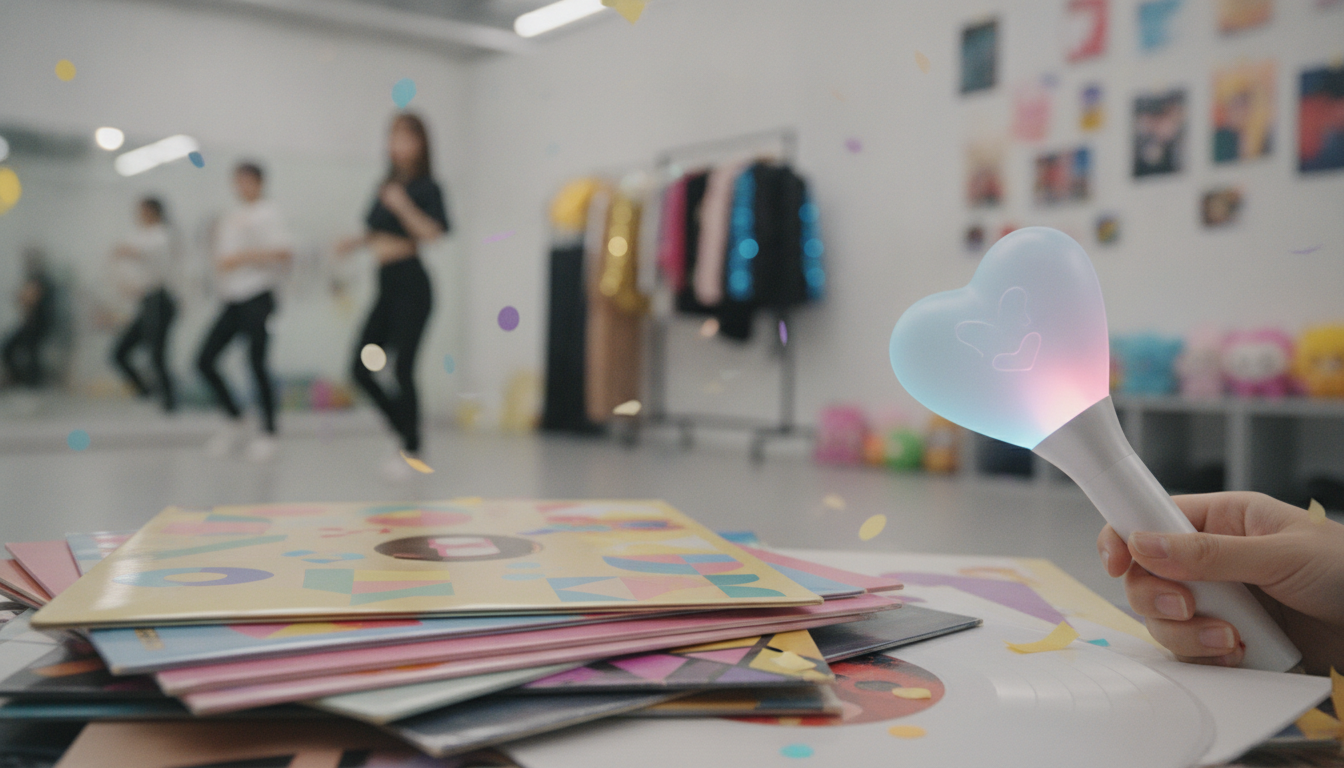
This is the quiet magic of the Hallyu Wave. It isn’t a top-down cultural export; it’s a grassroots movement of personal connection, sparked by music and fueled by love. It’s fostering a generation that sees cultural differences not as barriers, but as beautiful complexities to be explored and celebrated. For fans across the world, this journey transforms a simple hobby into a life-enriching passion, proving that a catchy chorus can indeed change the way you see, hear, and taste the world. It’s a testament to the idea that the most effective way to learn about another culture is to first fall in love with its art.
So the next time you find yourself humming along to a K-pop track, let your curiosity lead you. Pull up the lyrics and their translation. Pick one new word or phrase that resonates with you and try to listen for it in other content. You’ll be amazed at how quickly your world expands, how a simple song can become a gateway to a lifetime of learning and connection. This isn’t just about stanning a group; it’s about letting their art enrich your life in ways you never expected.