It’s a funny thing, isn’t it? That moment you go from just enjoying a song to needing to understand it. It often happens late at night, phone screen casting a soft glow on your face as you watch your favorite idol on a livestream. They laugh, a genuine, unscripted sound, and say a word you don’t recognize. The subtitled translation flashes a second later, but it’s not enough. You rewind, listen again, and whisper the sounds to yourself. That single word becomes a key, and without even realizing it, you’ve just unlocked the door to a much larger world.
For anyone new to this journey, it might seem like a sudden leap, but it’s a path that millions of fans have walked before. K-pop has never been just about the music; it’s a complete cultural ecosystem. The polished music videos are the grand entrance, but the real connection is built in the spaces between comebacks: the chaotic variety show appearances, the heartfelt fan cafe messages, and the cozy, informal livestreams where idols share snippets of their day. This constant stream of content creates a powerful incentive to bridge the language gap. It’s a bit like having a friend you desperately want to understand better, and the music becomes the vibrant, energetic soundtrack to that burgeoning relationship.
What makes this transformation from listener to learner so powerful is how seamlessly it weaves into daily life, starting with the language itself. At first, you pick up the essentials from lyrics and fan chants (a synchronized cheer fans yell during songs). Words like *saranghae* (I love you), *bogoshipo* (I miss you), and *gomawo* (thank you) become part of your vocabulary almost by osmosis. But then, you start noticing the grammar. You hear a lyric from a group like SEVENTEEN and realize the way they structure a sentence is a mini-lesson in itself. The desire to understand the clever wordplay in a rap verse or the poetic tenderness of a ballad pushes you from simple memorization to genuine curiosity about sentence structure and verb conjugations. Before you know it, you’re looking up the difference between formal and informal speech because you want to understand why an idol speaks one way to their members and another way to their seniors. The entire K-pop universe becomes your unofficial, incredibly engaging language lab.
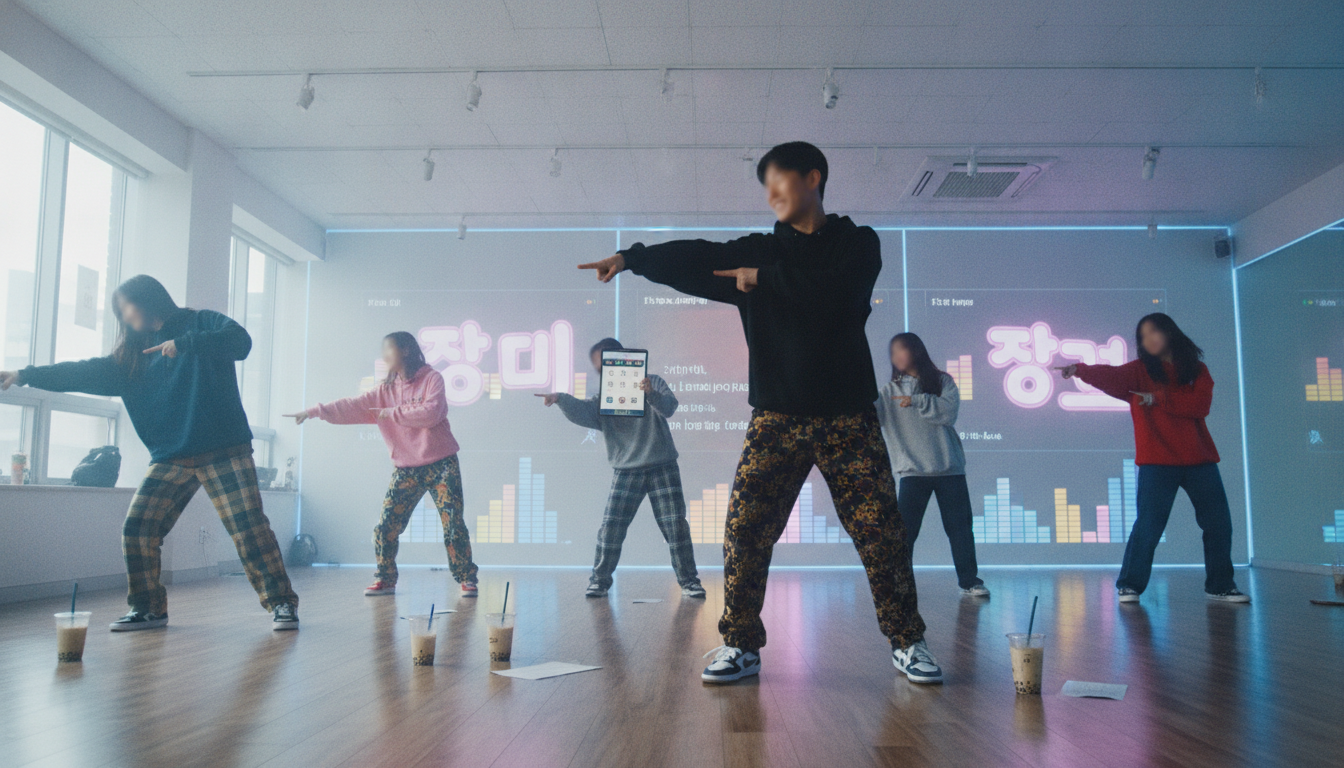
And this linguistic curiosity rarely stops at the lyrics sheet. Soon, it spills over onto the dinner table. You’re watching an episode of a group’s reality show, like NCT’s “NCT Life,” and the members are gathered around a sizzling grill, joyfully wrapping pieces of *samgyeopsal* (grilled pork belly) in lettuce with garlic and sauce. You don’t just see the food; you feel the camaraderie, the comfort, the sheer delight. Suddenly, you find yourself in the international aisle of your local grocery store, searching for gochujang and kimchi. That scene becomes a tangible goal, a cultural moment you want to recreate. You’re not just making a meal; you’re participating in an experience you’ve shared with your favorite artists, connecting with them through the universal language of delicious food. From trying *tteokbokki* (spicy rice cakes) because you saw it in a music video to learning the name of your favorite member’s comfort food, Korean cuisine becomes another beautiful layer of your fan experience.
That same desire to experience a slice of an idol’s life extends from the culinary to the sartorial. K-pop and Korean fashion are inextricably linked, a vibrant dance of trends and self-expression. Think of the phenomenon of “airport fashion,” where an idol’s walk from the car to the terminal becomes a runway show scrutinized and celebrated by fans worldwide. You notice the clean lines, the artful layering, the effortless blend of high fashion and streetwear. A trip to Seoul’s trendy Hongdae district might not be immediately possible, but the style is. You might find yourself drawn to an oversized hoodie, a stylish bucket hat, or a particular brand of sneakers simply because your bias (your favorite member) wore them. It’s more than just imitation; it’s a way of feeling closer to their world, of adopting an aesthetic that feels both coolly modern and deeply connected to the culture you admire. Your wardrobe starts telling a story of your fandom, a visual nod to the artistic world you inhabit.
Ultimately, all these threads—the language you’re learning, the food you’re tasting, the fashion you’re adopting—lead to one ultimate destination: travel. For many fans, the idea of visiting South Korea transforms from a distant dream into a concrete life goal. It becomes a pilgrimage. You land at Incheon International Airport, and the Hangul characters on the signs are no longer just abstract symbols; they are words you can read. You order coffee at a cafe once owned by an idol’s family, you take a photo in front of the old Big Hit Entertainment building, you wander the luxury shops of Apgujeong where so many groups have filmed content. Walking the streets of Seoul feels like stepping into the very scenes you’ve watched on screen for years. Every corner holds a potential connection, making the entire world of K-pop feel breathtakingly real and tangible.
This is the quiet magic of K-pop. It doesn’t just export music; it exports an entire culture through a lens of joy, passion, and connection. It has become one of the most effective and heartfelt forms of cultural diplomacy in the world, fostering a global community of people who are not only learning a new language but are also developing a deep and abiding respect for the culture it comes from. It proves that a catchy chorus can do more than top the charts—it can open minds, inspire new passions, and build bridges between continents, one fan at a time.
So, the next time you find yourself pausing a video to look up a Korean word, embrace it. Let that curiosity guide you. Watch that cooking segment and dare to try the recipe. Notice the fashion and see what elements you can bring into your own style. You’re not just a fan listening to music; you are an active participant in a global cultural exchange, and your journey is just getting started.