There’s a sound that can stop a million hearts in a single, synchronized beat. It’s a four-word declaration, a promise whispered and shouted in arenas from Seoul to Los Angeles: “BLACKPINK in your area.” For anyone who follows modern music, this isn’t just an introduction; it’s an event. It’s the moment the lights drop, a sea of pink heart-shaped lightsticks (the official fan accessory known as the ‘Bong’) illuminates the darkness, and you know you’re about to witness not just a performance, but a full-blown cultural takeover. This phrase encapsulates the very essence of the group—a ubiquitous, undeniable presence that has completely redrawn the map of global pop music.
The Genesis of a Revolution
Emerging from the powerhouse label YG Entertainment in 2016, BLACKPINK felt different from the very beginning. In an industry often saturated with large groups and bubblegum-pop concepts, the arrival of this four-member act—Jisoo, Jennie, Rosé, and Lisa—was a stark, confident statement. Their debut with the double-A-side singles “Whistle” and “Boombayah” wasn’t just successful; it was explosive. “Whistle” shot to number one on the Korean charts, achieving a “Perfect All-Kill” (a prestigious title for a song that tops all major daily and real-time charts simultaneously), a feat unheard of for a rookie group. From day one, they established a clear identity: a potent blend of fierce, hip-hop-infused confidence and chic, high-fashion aesthetics. They were the cool older sisters of K-pop, aspirational yet relatable, a formula that would soon captivate a worldwide audience and build their devoted fandom, affectionately known as BLINKs.
Deconstructing the “Pink Venom”
The true genius of BLACKPINK lies in their foundational duality, a concept embedded right in their name. The “Black” represents their powerful, bold, and performance-heavy side, driven by the signature, bass-heavy production of Teddy Park. Think of the swaggering declaration of “DDU-DU DDU-DU” or the defiant anthem “How You Like That.” These are songs built for the stadium, with earth-shaking bass drops, intricate rap verses, and choreography so sharp it could cut glass. The accompanying music videos are visual spectacles, cinematic masterpieces that regularly break YouTube records. In fact, the video for “DDU-DU DDU-DU” was the first by a K-pop group to surpass the monumental 2 billion views mark, a testament to its enduring visual and sonic impact. This is the side of the group that inspires awe, the untouchable global superstars draped in designer clothes, commanding the stage with an almost intimidating level of charisma.
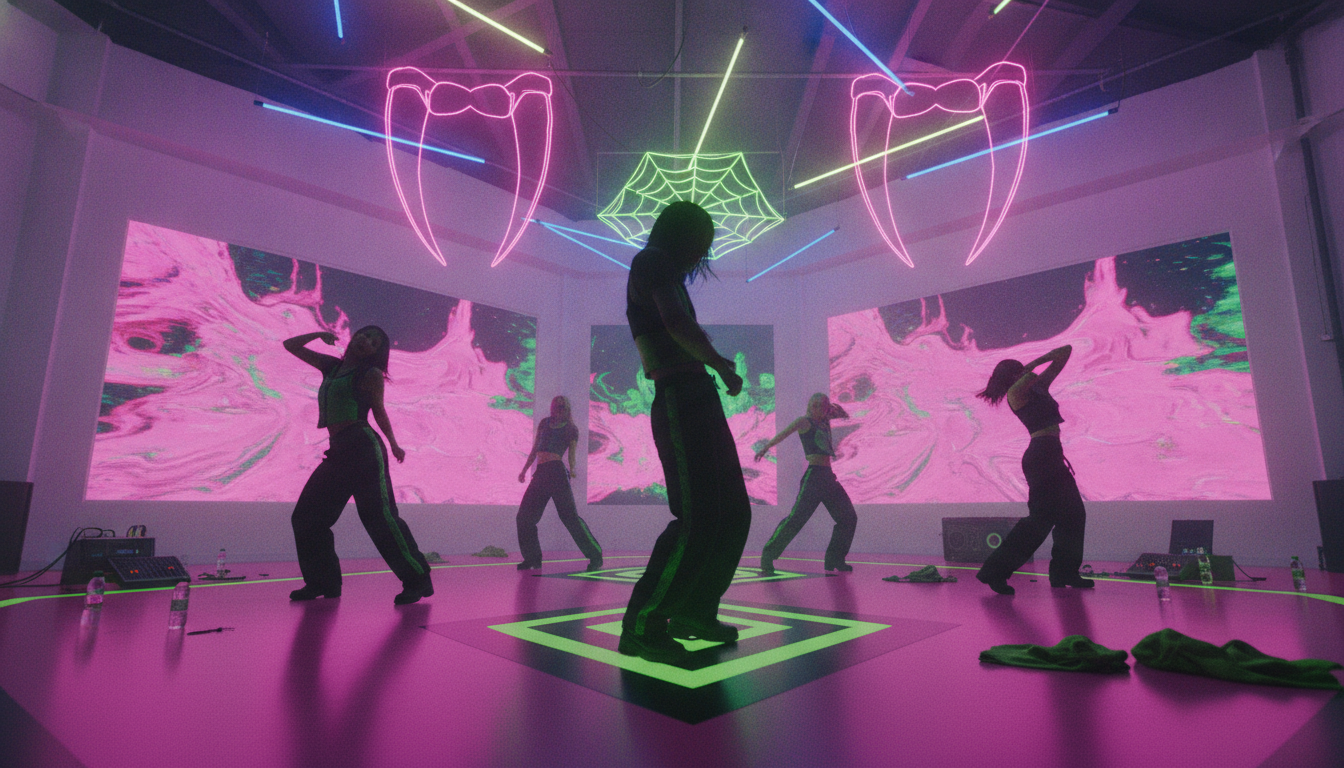
Yet, this ferocity is masterfully balanced by the “Pink” side, which reveals a more vulnerable, melodic, and emotionally resonant core. Songs like “Stay” offer a folksy, acoustic departure, while the yearning synth-pop of “Lovesick Girls” explores the pain and desperation of heartbreak with a raw honesty that feels deeply personal. It’s in these moments that the wall of superstardom becomes permeable, allowing fans to connect with the artists behind the icons. This contrast is not a gimmick; it’s the group’s emotional architecture. It’s a bit like a high-fashion leather jacket lined with soft cashmere—the exterior is tough and stylish, but the interior provides warmth and comfort. This skillful navigation between two extremes ensures their music has texture and depth, preventing them from ever becoming one-dimensional and offering something for every mood.
Of course, the group’s global appeal cannot be fully understood without recognizing the distinct strengths of its four members, who function as individual pillars supporting a magnificent structure. Jisoo, the eldest, provides a steadying presence with her husky, stable vocals and classically elegant visuals, often described as the group’s anchor. Then there’s Jennie, whose dual-threat ability as a razor-sharp rapper and a soulful vocalist, combined with her trendsetting “it girl” aura, makes her an unpredictable and captivating performer. Rosé brings a truly unique and ethereal vocal color to the group; her voice is instantly recognizable, capable of conveying immense longing and power, as proven by her record-shattering solo debut. And finally, there is Lisa, the Thai-born main dancer whose electrifying stage presence and fluid, powerful movements have made her a global dance icon. Her unmatched charisma and massive international following have turned her into one of the most influential figures in pop culture today. Together, they create a perfect synergy, their individual talents complementing each other to form a whole that is far greater than the sum of its parts.
Their musical evolution has mirrored their growing global stature. While their early work was a masterclass in YG’s signature EDM and hip-hop sound, their later projects, such as *The Album* and *Born Pink*, have shown a willingness to experiment and absorb international trends. Collaborations with Western artists like Dua Lipa on “Kiss and Make Up,” Selena Gomez on “Ice Cream,” and Lady Gaga on “Sour Candy” were not just chart strategies; they were seamless integrations of different musical worlds. These tracks introduced BLACKPINK to new audiences while proving their artistic versatility. *Born Pink*, released a few years ago, became the first album by a K-pop girl group to sell over 2 million copies, and it showcased a more mature sound, blending rock influences, ’80s-style synths, and classic hip-hop sampling. For longtime fans, this progression felt like watching an artist grow in real time, their musical palette expanding as their confidence and experience deepened on the world stage.
More Than a Group, A Global Phenomenon
To label BLACKPINK as merely a successful K-pop group is to fundamentally misunderstand their impact. They are a global cultural force that has transcended genre, language, and geography. Their headlining performance at Coachella was a watershed moment, not just for them, but for the entire K-pop industry. Standing on that iconic stage, they proved that a non-English act could not only belong but could command one of the world’s most influential music festivals. This wasn’t about pandering to a Western audience; it was about bringing their world to the West, on their own terms, with their own language and their own culture proudly on display. The “Pinkchella” phenomenon, as it was dubbed by fans, sent a clear message: K-pop was no longer a niche genre but a dominant player in the global music landscape.
This influence extends far beyond music charts and streaming numbers. The four members have become titans of the fashion and luxury industries, each serving as a global ambassador for a major Parisian fashion house: Jisoo for Dior, Jennie for Chanel, Rosé for Saint Laurent, and Lisa for Celine. Their presence at Paris Fashion Week creates a media frenzy, and their endorsements drive trends and sales worldwide. They have redefined the role of a pop star, becoming multi-faceted businesswomen and style icons who wield immense influence. In doing so, they have opened doors for countless other artists and have fundamentally changed the perception of what a “girl group” can achieve, proving that their power is not just in their unity, but in their individual brilliance as well.
Start the Show
If you’re looking for the perfect entry point into their world, or simply want to revisit the track that solidified their powerhouse status, put on the music video for “DDU-DU DDU-DU.” It is the ultimate BLACKPINK mission statement: visually stunning, sonically addictive, and overflowing with the unapologetic confidence that defines them. Press play, turn up the volume, and let the revolution begin.